




Ebola disease in DRC: find out how we're responding
Learn more
115 Results
 
In Bouza district, Tahoua region, MSF is working to improve healthcare for children under five and pregnant women, focusing on early treatment and prevention, particularly in malnutrition and malaria; two of the main causes of child mortality in Niger.
Niger

“We are already getting ready for the next peak”

MSF project reduces child mortality in Bouza, Niger Voices from the Field - 22 Jan 2014
 
From June 2010, MSF teams provided comprehensive sexual and reproductive health services –including family planning, ante and postnatal care and assisted births– in the Luwingu District Hospital and several rural health centres. Emergency obstetric referrals were made from rural centres to the hospital. The project closed at the end of June 2013. The decision to close the programme was based on the improvement of medical indicators in the area and came after a long hand over process with the Zambian Ministry of Health.
Zambia

MSF hands over maternal health programme in Luwingu district

Three years after MSF began an intervention to improve access to sexual and reproductive health services in Luwingu district, Northern Province, Zambia, the medical situation of people in the area has improved and the work has been handed over to the Zambian Ministry of Health. Project Update - 17 Sep 2013
 
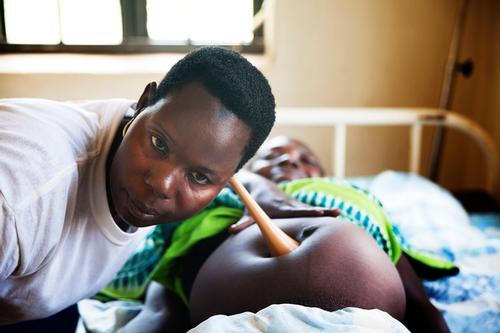
An antenatal consultation in MSF supported Yambio hospital (South Sudan).
South Sudan

MSF and traditional birth attendants save lives

Project Update - 2 Sep 2013
 
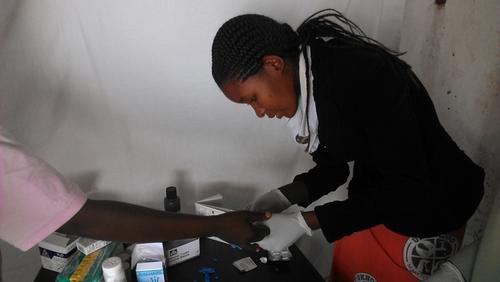
The reproductive health coordinator at Nsanje hospital, one of our "sex worker-friendly" nurses, performing a syphilis rapid test during the outreach clinic.
Malawi

Falling through the cracks

MSF offers targeted health services for sex workers in Malawi Project Update - 26 Jul 2013
 
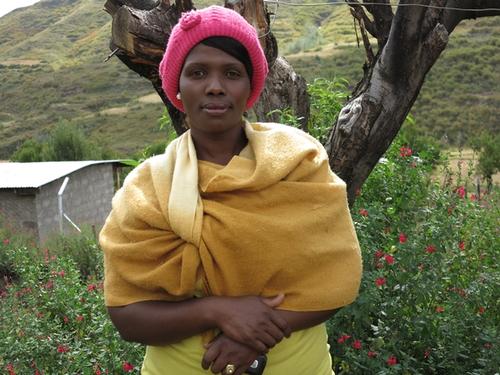
Mantebaleng Ntelekoa
 “I delivered all my three children at a hospital, two in Roma and one in Maseru. To get there, I walked two hours to the main road and then continued by taxi. I usually started walking when my contractions started and it took a long time, because I had to sit down every time I had a contraction. One of my children was born premature at 7 months, so I am glad I made it to the hospital.”
Lesotho

Maternal mortality in the mountain kingdom

MSF supports maternal services in Lesotho
Project Update - 5 Jun 2013
 
Obstetric fistulas are one of the most serious consequences of obstructed labor; it occurs when the soft tissue in the pelvis is compressed by the baby’s head. The lack of blood flow causes the tissue to die, creating a hole between the vagina and bladder, the vagina and rectum, or both. The result is urinary and/or fecal incontinence. Women with fistulas live in shame and are often rejected by their own families and communities.

Since  July 2010, MSF is treating fistulas in the Urumuri center, in Gitega, in the heart of Burundi  and became the first and only center in Burundi to specialize in treating fistulas. Since the opening of the project more than 1000 fistulas surgeries have been performed enabling women to return to normal life and emerge from exclusion. 

Women can receive treatment seven days a week, and MSF has built four houses to accommodate patients before surgery and afterwards, during rehabilitation. At MSF's permanent treatment centers, women receive six months of outpatient follow-up care to ensure the fistula has healed and that continence is maintained.
Project Update

Treating fistula: Prevention or cure?

MSF surgeon Dr Geert Morren talks about the physical and social distress that fistulas can cause, and why the issue needs attention. Project Update - 23 May 2013
 
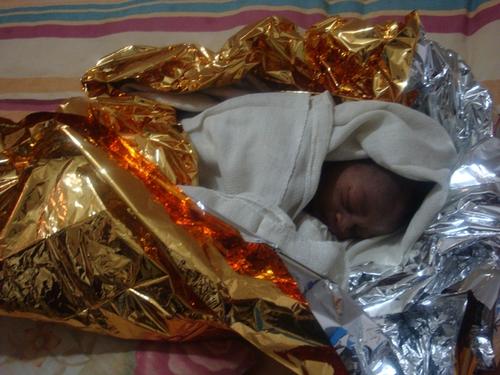
After two days of prolonged labour, Sameera delivered a healthy baby boy.
Sudan

Maternity care in rural North Darfur

MSF's maternity care programmes in North Darfur.
Project Update - 16 Apr 2013
 
MSF began providing medical assistance in the Jebel Si in 2005 through a
health post and in 2008 began running a rural hospital in Kaguro and five
health posts. These are the only health facilities in this area, and serve
a permanent population of approximately 100,000 people, as well as about
10,000 seasonal nomads all of whom are entirely dependent on MSF for
healthcare and emergency assistance.

As a result of the growing obstacles encountered over the last year due to
restrictions by the authorities, MSF has been forced to suspend most of its
medical activities in the region of Jebel Si, in North
Darfur State, Sudan. As MSF is the sole health provider in the region,
thousands of people are left without access to essential healthcare.
Project Update

After a decade of conflict, there are still medical needs

Voices from the Field - 26 Mar 2013
 
msf-placeholder
Burundi

Women are still suffering from the backyard disease

Project Update - 15 Feb 2013
Four mothers posing in a corridor of the Hospital in Bili. All four of them are staying in the hospital with their child, that's suffering from a severe case of malaria. Since the beginning of the project in 2016, the pediatric ward already treated more than 4.000 cases of complicated/severe form of malaria.
Médecins Sans Frontières (MSF)

Independent medical humanitarian assistance

We provide medical assistance to people affected by conflict, epidemics, disasters, or exclusion from healthcare. Our teams are made up of tens of thousands of health professionals, logistic and administrative staff - most of them hired locally. Our actions are guided by medical ethics and the principles of independence and impartiality. We are a non-profit, self-governed, member-based organisation.

Learn more