



Ebola disease in DRC: find out how we're responding
Learn more
1758 Results
 
Most people in Lulingu depend on food they grow themselves. After being forced from their homes, they can no longer reach their fields or harvest their crops.
Democratic Republic of Congo

The pendulum of violence

Project Update - 7 Dec 2016
 
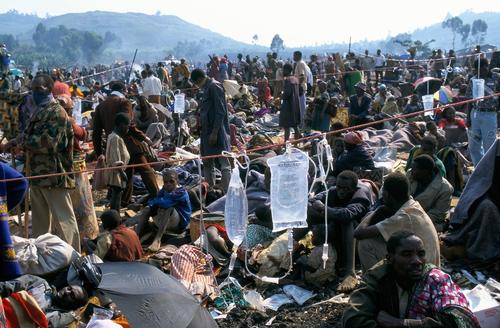
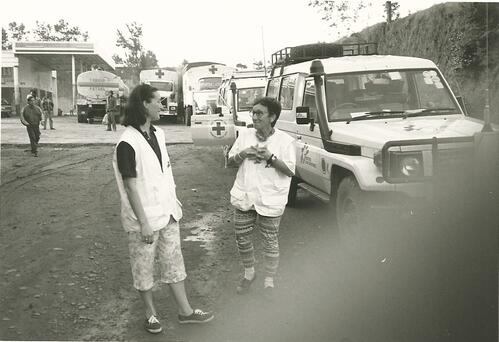
Aprox. 2 million Rwandan refugees (mostly Hutu's) whom fled civil war and the victorious Rwandan Patriottic Front crossed the border with Zaire (Democratic Republic of Congo).
Rwanda

Interview with the authors of "Humanitarian Aid, Genocide and Mass Killings"

"We decided to write a book, bringing together our experiences as a humanitarian doctor and a sociologist" Interview - 1 Dec 2016
Ebola and haemorrhagic fevers

Engaging with National Authorities: Médecins Sans Frontières’s experience in Guinea during the Ebola epidemic

UREPH is pleased to announce the publication of the article “Engaging with National Authorities: Médecins Sans Frontières’s experience in Guinea during the Ebola epidemic” by Marc Poncin in the journal Humanitarian Alternatives. Journal article - 30 Nov 2016
 
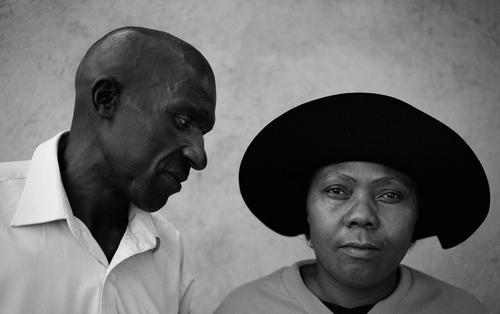
Mashiri is 42 years old and was diagnosed HIV positive in 2006. He started treatment that same year. Duduzile is 40 years old and was diagnosed with HIV in 2007. They met and fell in love after meeting at an HIV community support group at Epworth, on Harare’s outskirts, in 2015.
Zimbabwe

Surviving AIDS in Zimbabwe

Today, the number of people who are HIV positive in Zimbabwe has reduced to 15 per cent, but major gaps in treatment remain. Photo Story - 25 Nov 2016
 
Madeleine Boyer (infirmière anesthésiste).
Rwanda

Humanitarian aid, genocide and mass killings

Humanitarian aid, genocide and mass killings is intended for humanitarian aid practitioners, students, journalists and researchers with an interest in genocide and humanitarian studies and the political sociology of international organisations. Book - 23 Nov 2016
 
More than 300 people arrive each day in Nduta camp, originally designed for 50,000 people but now hosting over 65,000. New arrivals come by bus, first crossing the border point, then to transit camps and and then staying a few nights in the camp reception centre on arrival to Nduta. While they are being registered by UNHCR and before a family shelter is allocated to them, they live in overcrowded communal tents, facing poor hygiene and a high risk of malaria transmission.
New arrivals have to queue for hours in the reception centre to receive their daily meals. Some of these people have already been allocated a shelter, but have not received their refugee card and dry food rations. They have to come back every day to the reception centre to get a warm meal.
MSF is present at the reception centre to screen all new arrivals. “A lot of them arrive exhausted and in bad health condition. We do their medical check-up and send those in need to MSF clinics or refer them to the hospital. They also get vaccinated and pregnant women are scheduled for antenatal consultations.”
Medical teams have seen a big increase in the number of consultations, both at the reception centres and in MSF’s four health posts and hospital. The number of deliveries has risen as well. “When I arrived a few weeks ago, there were around five deliveries per day. Now we have around 12,” says Sally Parker, midwife.
Tanzania

"Tanzania - Aid is needed before situation deteriorates"

A critical situation is unfolding for hundreds of thousands of refugees in Tanzania, with camps now at full capacity. This slideshow illustrates the situation of Nduta refugee camp, overstretched by the influx of new arrivals - around 300 per day. Photo Story - 18 Nov 2016
 
MSF set up a circuit to vaccinate children under 5 years old, they also receive an anti-parasite and vitamin A and parents receive relief items such as soap and mosquito nets. In one day nearly 4,000 children were vaccinated.
Nigeria

Crisis Info on Borno emergency - November 2016

Crisis Update - 18 Nov 2016
 
Ndegue Michel (left) has been trained by MSF to treat malaria cases in the community so people don?t have to travel to the hospital. Here, a two-year-old girl is tested in the Rosin neighborhood on the outskirts of Carnot.
Central African Republic

Don't turn off the life support

Project Update - 17 Nov 2016
 
Rose Roba, 37 from Yei in South Sudan. She waits at the MSF outpatient clinic in Bidi Bidi refugee camp in Norther Uganda, to receive medicine for her sonwho has a fever and has been vomiting. 

"I came to Uganda because of the violence in South Sudan. 

"They kidnapped my next door neighbor's husband and chopped him in to pieces. Then they cut up his wife and threw the body in to a channel of water near our village. They also slit their child's throat and cut his head in 2 and placed his body next to his mother's in the water. 

"This filled me with fear. I was worried I would be next. I knew I had to take off."

She walked for 4 days and was given a lift by rebel troops for a fifth day before arriving at the Ugandan border. Here she is struggling with the living conditions and her children have fallen ill.
Uganda

Testimonies from Bidi Bidi refugee camp

"I would not easily walk back into South Sudan and towards death. I ran away from there in fear and I am so relieved I managed to save my and my children’s lives," says Rose, a refugee from Greater Equatoria region, South Sudan. Voices from the Field - 17 Nov 2016
Four mothers posing in a corridor of the Hospital in Bili. All four of them are staying in the hospital with their child, that's suffering from a severe case of malaria. Since the beginning of the project in 2016, the pediatric ward already treated more than 4.000 cases of complicated/severe form of malaria.
Médecins Sans Frontières (MSF)

Independent medical humanitarian assistance

We provide medical assistance to people affected by conflict, epidemics, disasters, or exclusion from healthcare. Our teams are made up of tens of thousands of health professionals, logistic and administrative staff - most of them hired locally. Our actions are guided by medical ethics and the principles of independence and impartiality. We are a non-profit, self-governed, member-based organisation.

Learn more