



Ebola disease in DRC: find out how we're responding
Learn more
1758 Results
 
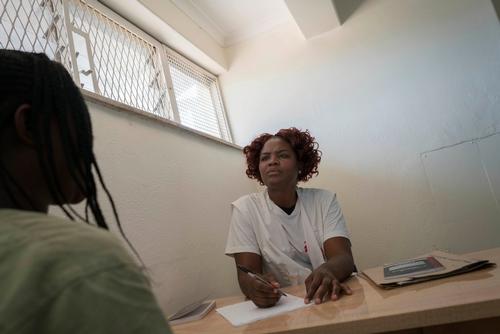
Olivia Mangwiro, clinical psychologist talks to a patient in the mental heath ward.
Zimbabwe

“If I don’t help mentally ill patients, who will?”

Since 2012, MSF has run mental health programmes in Zimbabwe with the Ministry of Health and Child Care and the Zimbabwe Prisons and Correctional Services. Voices from the Field - 16 Feb 2017
 
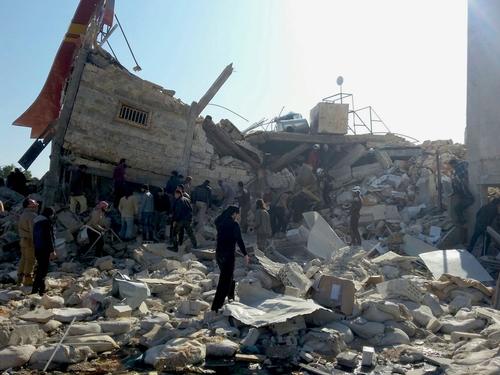
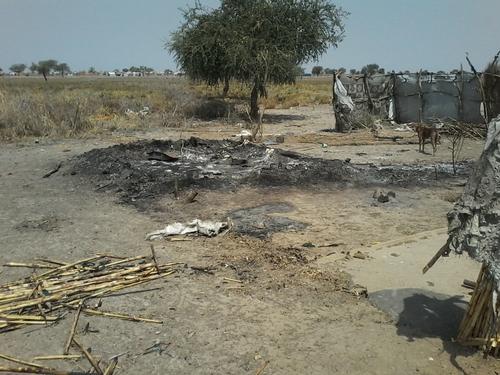
The MSF-supported hospital in Ma’arat Al Numan before it was attacked and destroyed on Monday 15th Feb. At least 25 people were killed, including nine staff members.
The 30-bed hospital  had 54 staff, two operating theatres, an outpatient department and an emergency room. The outpatient department treated around 1500 people a month, the ER carried out an average of 1,100 consultations a month, and around 140 operations a month, mainly orthopaedic and general surgery, were carried out in the operating theatres.

MSF has been supporting this hospital since September 2015 and covered all the needs of the facility including provision of medical supplies and running costs.
Attacks on medical care

Hospital bombings: Building evidence with images

Nearly 100 medical facilities belonging to, or supported by, Médecins Sans Frontières (MSF) have been bombed since 2015. Project Update - 15 Feb 2017
 
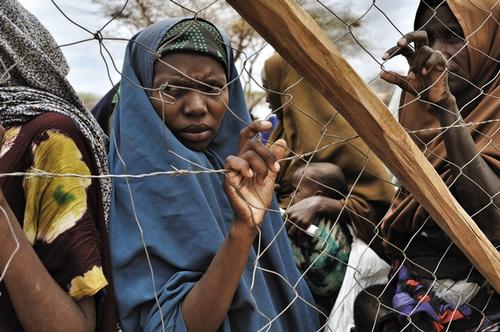
Somali refugees wait outside MSF's health post 8 in the outskirts of Dagahaley camp in Dadaab.    Dadaab, with roughly 400,000 refugees, Dadaab is the largest refugee camp in the world. The camp is grossly over capacity, and the refugees experience an ever-shrinking access to essential services such as water, sanitation, food and shelter, also because they have been sharing their rations with the new arrivals. At the current pace of arrival MSF estimates that the camp's population will total 500'000 before the end of 2011, and living conditions are only expected to deteriorate further.
Kenya

MSF welcomes Kenyan High Court ruling declaring closure of Dadaab refugee camps "illegal"

MSF urges the Government of Kenya to uphold the decision. Any return of refugees to Somalia must be undertaken on a voluntary basis. Statement - 9 Feb 2017
 
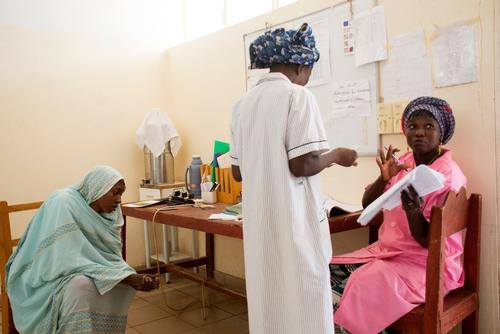
Fatima Zara, 26 years old, is admitted at Am Timan hospital with hepatitis E symptoms including jaundice. Jaundice, also known as icterus, is the yellowing of the skin and whites of the eyes. She is 6 months pregnant. Hepatitis E has no cure and is particularly dangerous for pregnant women. It is estimated that one in 25 patients with Hepatitis E is at risk of death, but for pregnant women in their third trimester, the risks of maternal and fetal mortality are higher. Salamat Region of Chad_09/01/2017
Chad

MSF calls for assistance to curb hepatitis E outbreak in Am Timan

"MSF is calling on all the humanitarian and development agencies present in Chad to step up the size and speed of their efforts to ensure an effective response to the hepatitis E outbreak in Am Timan", says Rolland Kaya, MSF's head of mission in Chad. Press Release - 9 Feb 2017
 
Footage of the market in Wau Shilluk after shelling on 28/01. Courtesy of Marta Cazorla.
South Sudan

Fleeing civilians cut off from emergency healthcare in Wau Shilluk

MSF is calling on all sides to ensure that the right of civilians to access emergency healthcare, clean water and food is guaranteed, and that medical facilities, staff and transport are not targeted. Press Release - 3 Feb 2017
 
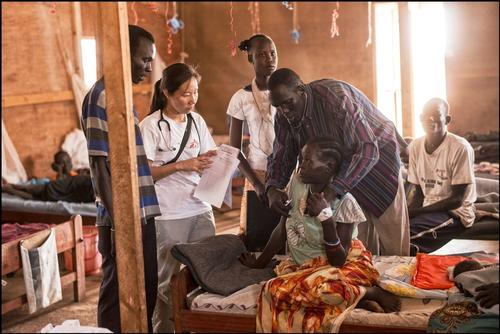
A MSF doctor is doing medical check up in the main ward of the MSF hospital in Mellut togehter with clinical officers and nurses.
South Sudan

MSF closes project in Melut after three years

"MSF's role as first responder was crucial at the start of the emergency. We were able to take care of the displaced population as they arrived at the beginning of 2014," says Marta Cazorla, MSF field coordinator for Melut. Project Update - 30 Jan 2017
 
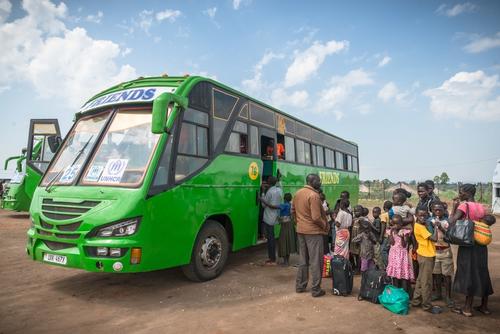
Since the beginning of 2016, more than 400,000 South Sudanese new refugees have arrived in Uganda, usually entering through informal border points or arriving through DRC. The vast majority come from the Central Equatoria State between Juba and the DRC border. The first waves of refugees were fleeing following the clash that erupted in Juba last July between SPLA and SPLA-IO, while the most recent ran away from widespread insecurity around the town of Yei.

Most of the new arrivals have been hosted in the main Bidibidi Refugee Complex, which is approximately 32 km long from north (zone 2) to south (zone 4 Annex) and 20 km long from east (zone 5) to west (zone 4). MSF provides medical care and water supply.
Refugees, IDPs and people on the move

South Sudanese refugees in Northern Uganda

MSF provides medical care inside the refugee complex. Most common pathologies are malaria and diarrhoeas but chronic diseases and mental health are also an issue.
Photo Story - 26 Jan 2017
 
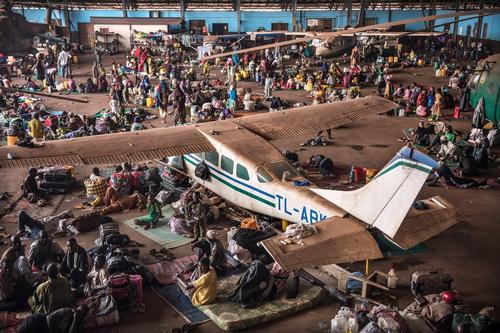
Centraal Afrikaanse Republiek, CAR, Bangui, Februari 2014. 

Many people displaced by the conflict have found refuge in Mboko airport, Bangui, CAR.

Foto: Sven Torfinn
Central African Republic

Five reasons to care about the closure of Mpoko camp

Mpoko has now closed. What became a symbol of the huge needs of the Central African people has disappeared, but the country's problems persist. Project Update - 24 Jan 2017
 
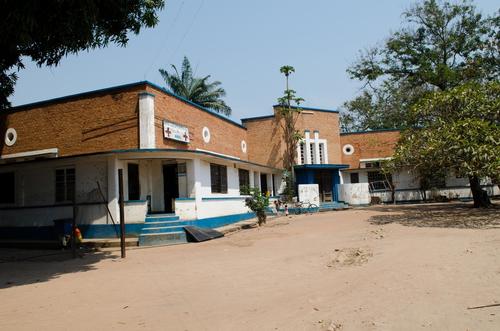
Manono General Hospital.
Democratic Republic of Congo

More than 200 people treated for injuries at Manono hospital, Tanganyika

"In December, the hospital's surgical department was overwhelmed. There were people everywhere, lying on the floor waiting to be treated," says Gaudia Sironi, MSF Field Coordinator. Voices from the Field - 23 Jan 2017
 
Mohammed, Medco is evacuating wounded people after the bombing of one IDP camp in Rann.

“There are no health facilities in Rann. Nothing. The first health facilities are 2 hours away from Rann. Most of the victims that we saw where children”.
Mohammed Musoke, medical coordinator for OCP based in Maiduguri.
Nigeria

"Most of the dead and injured were women and children"

My colleague and I personally evacuated a number of severely injured patients, taking them to various hospitals in Maiduguri. Voices from the Field - 20 Jan 2017
Four mothers posing in a corridor of the Hospital in Bili. All four of them are staying in the hospital with their child, that's suffering from a severe case of malaria. Since the beginning of the project in 2016, the pediatric ward already treated more than 4.000 cases of complicated/severe form of malaria.
Médecins Sans Frontières (MSF)

Independent medical humanitarian assistance

We provide medical assistance to people affected by conflict, epidemics, disasters, or exclusion from healthcare. Our teams are made up of tens of thousands of health professionals, logistic and administrative staff - most of them hired locally. Our actions are guided by medical ethics and the principles of independence and impartiality. We are a non-profit, self-governed, member-based organisation.

Learn more