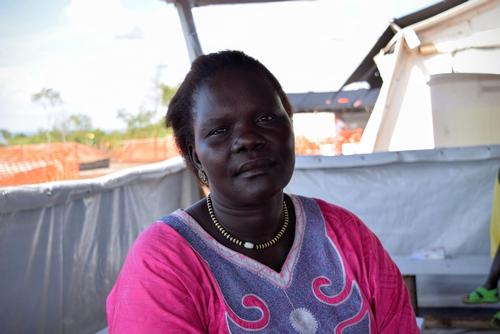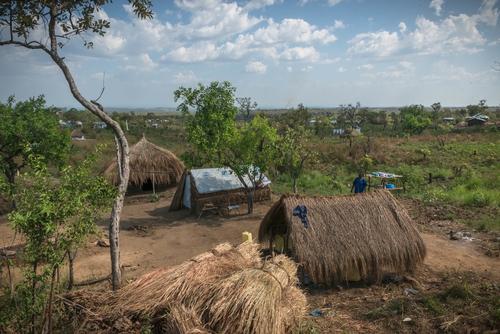
Since the beginning of 2016, more than 400,000 South Sudanese new refugees have arrived in Uganda, usually entering through informal border points or arriving through DRC. The vast majority come from the Central Equatoria State between Juba and the DRC border. The first waves of refugees were fleeing following the clash that erupted in Juba last July between SPLA and SPLA-IO, while the most recent ran away from widespread insecurity around the town of Yei.

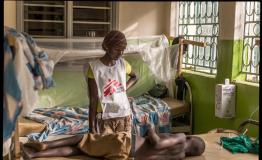
Most of the new arrivals have been hosted in the main Bidibidi Refugee Complex, which is approximately 32 km long from north (zone 2) to south (zone 4 Annex) and 20 km long from east (zone 5) to west (zone 4). MSF provides medical care and water supply.
Since the beginning of 2016, more than 400,000 South Sudanese new refugees have arrived in Uganda, usually entering through informal border points or arriving through DRC. The vast majority come from the Central Equatoria State between Juba and the DRC border. 

South Sudanese refugees in Northern Uganda

Since the beginning of 2016, more than 400,000 South Sudanese new refugees have arrived in Uganda, usually entering through informal border points or arriving through DRC. The vast majority come from the Central Equatoria State between Juba and the DRC border. 
Ebola disease in DRC: find out how we're responding
Learn more

More than 400,000 South Sudanese refugees have arrived in Uganda since 2016; most having entered the country through informal crossing points. Here is the story in photos:

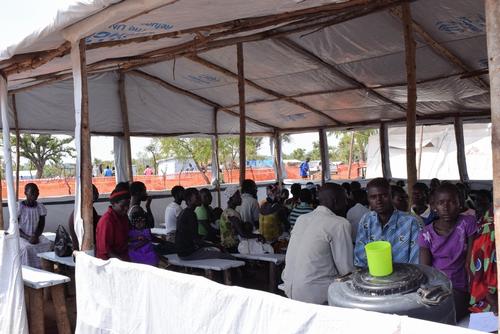
South Sudanese refugees in Northern Uganda