



Ebola disease in DRC: find out how we're responding
Learn more
1758 Results
 
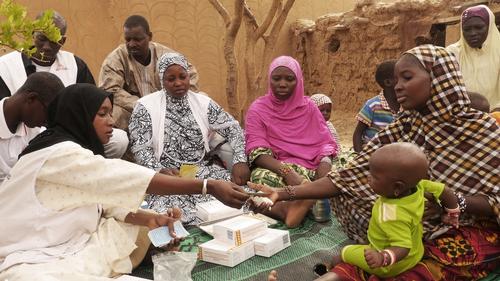
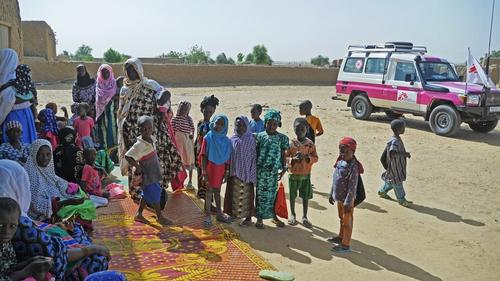
Between August and November 2015, MSF and the Ministry of Health of Mali launched a chemoprevention campaign against seasonal malaria, the leading cause of infant mortality in the country, which reached more than 45,000 children between three months and five years old in the Ansongo district, in the Gao region in the north of the country. During the campaign, MSF took the chance to complete the children’s vaccination records.
Mali

"There is a crisis overlap in northern Mali"

Interview with Côme Niyomgabo, MSF head of mission in Mali. Voices from the Field - 20 Apr 2017
 
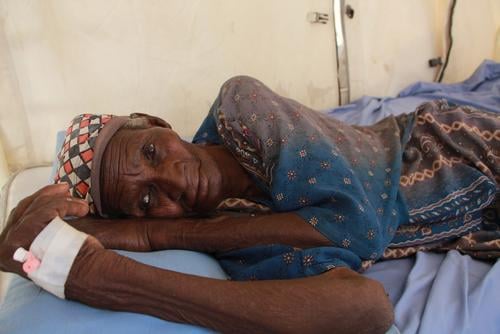
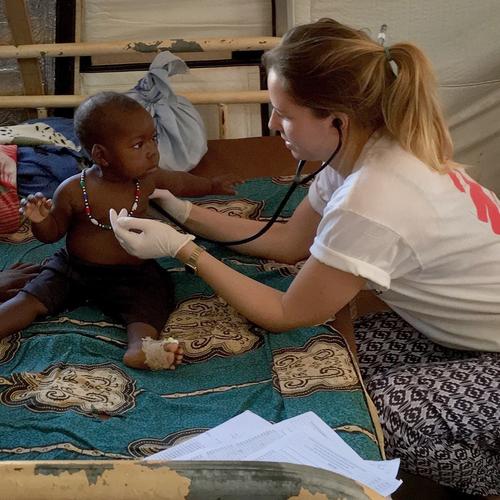
A woman being attended at the MSF hospital in Pulka. She arrived some weeks ago fleeing the ongoing conflict. 
Many displaced people report that in the places they fled survival is a struggle, as there are no functioning hospitals or markets because they have been burned down or demolished, and their farming activities were very limited. As a result, most of them arrive in poor condition due to the deprivations they have had to endure.
Nigeria

Searching for aid after fleeing the fighting

Tens of thousands of Nigerians have lost their homes and livelihoods in Borno State, in the northeastern part of the country. Photo Story - 19 Apr 2017
 
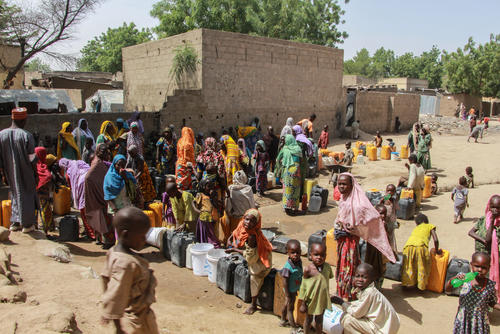
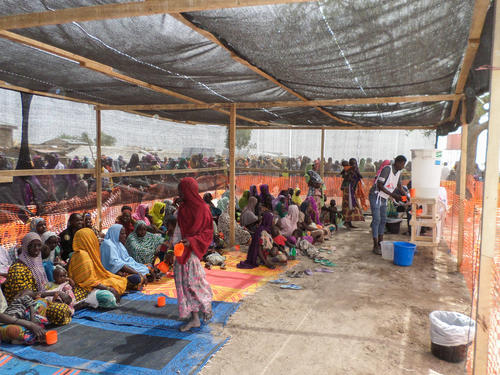
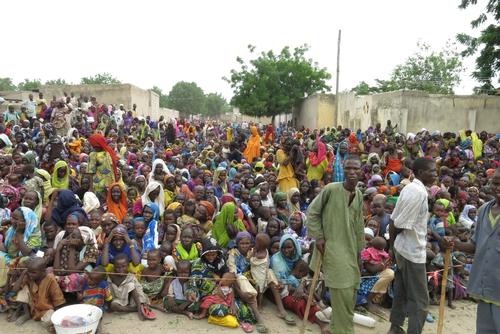
Access to drinking water used to be a very big problem before the arrival of MSF in Banki, but the situation has now greatly improved with several water points provided by the organisation.
Nigeria

As refugees flee violence, others are forcibly returned

Violence and insecurity continue to force people from their homes in northeast Nigeria, where new waves of displaced are arriving in remote towns of Borno State. Nigerian refugees are also being forcibly returned from Cameroon. Press Release - 19 Apr 2017
 
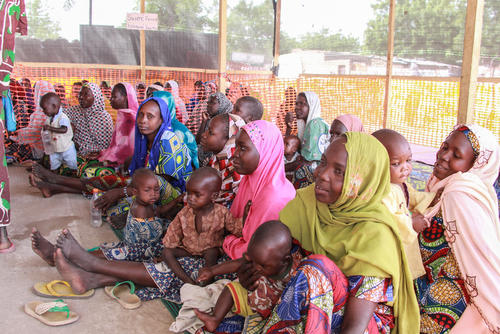
Mothers waiting for their malnourished children to be seen by a nutritionist at the MSF clinic in Banki.
Nigeria

Testimonies of forced return

Nigerian refugees in Cameroon are being forcibly returned to northeast Nigeria. In March 2017, three of them told MSF staff their stories. Voices from the Field - 19 Apr 2017
 
Patients waiting to be seen by the medical staff at the MSF health centre in Rann.
Nigeria

“Falling sick in Rann is almost a death sentence”

"The humanitarian situation in Rann is becoming increasingly critical as newly displaced continue to arrive. The most urgent needs now are healthcare, shelter and water." Voices from the Field - 19 Apr 2017
 
Dr. Katie Treble, a MSF doctor. Bria hospital.
Central African Republic

“Our paediatric hospital had to suddenly function as an adult trauma centre”

Katie Treble was working in the MSF hospital in Bria during the weekend of 24 to 26 March when heavy fighting occurred and MSF received 24 wounded people in three days. Voices from the Field - 13 Apr 2017
 
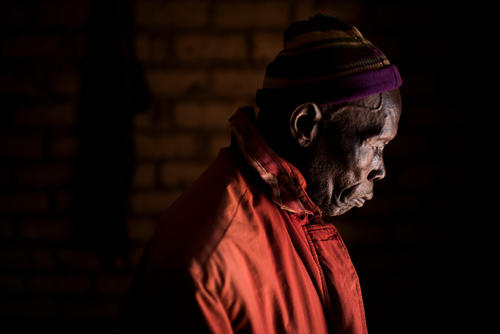
Henri Passendro, 84, chief of Nasima village, left Nasima on 6 Decembre 2016 with his family to find shelter at Aviation IDP camp. “The were infighting between UPC and FPRC near the village, a rumour said they were burning villages, so we fled. My son went back later to see what was left. All had been burned down. I would like to go back to my village, but I have no money left to pay transportation”. His son provides for Henri’s survival.
Central African Republic

Civilians pay the price of renewed, brutal fighting

In the past weeks, MSF teams have witnessed summary executions and terror among civilians. Press Release - 13 Apr 2017
 
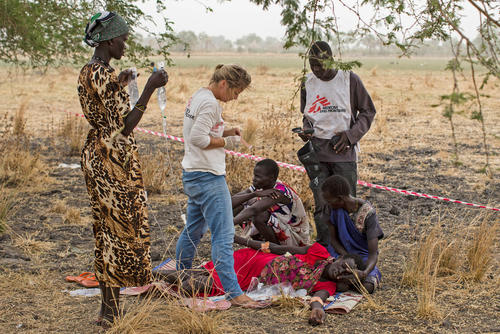
Medecins Sans Frontieres (MSF) Medic, Philippa Pett (centre), MSF Community Area Supervisor James* (right) and MSF Woman Health Worker Nyatini* (left), treat a woman who has fallen sick, at an outdoor support clinic in Thaker, Leer County, South Sudan, March 20, 2017.
South Sudan

Delivering healthcare to a population displaced and in danger in Leer county

Siegfried Modola, freelance photographer, spent a week with the teams in the counties of Leer and Mayendit to report on the MSF challenging operations. Photo Story - 12 Apr 2017
 
During the second week of July 2016, MSF organised an exploratory mission and an emergency distribution for more than 15,000 displaced people leaving in dire conditions in the city of Banki, in Borno State – Nigeria.
Nigeria

Case Study on humanitarian response in North-east Nigeria

This case study examines the humanitarian response to the conflict-related crisis in the North-East of Nigeria, focusing primarily on the period from 2015 to the end of 2016. The aim is test the central hypotheses of the Emergency Gap project: that the current structure, conceptual underpinning and prevalent mindset of the international humanitarian system limits its capacity to be effective in response to conflict-related emergencies. Emergency Gap - 1 Apr 2017
 
Between August and November 2015, MSF and the Ministry of Health of Mali launched a chemoprevention campaign against seasonal malaria, the leading cause of infant mortality in the country, which reached more than 45,000 children between three months and five years old in the Ansongo district, in the Gao region in the north of the country. During the campaign, MSF took the chance to complete the children’s vaccination records.
Mali

MSF warns about the use of humanitarian aid for political and military interests

The incursion of military and political actors in the humanitarian field is putting the provision of humanitarian aid at risk in Mali, according to a new report. Report - 24 Mar 2017
Four mothers posing in a corridor of the Hospital in Bili. All four of them are staying in the hospital with their child, that's suffering from a severe case of malaria. Since the beginning of the project in 2016, the pediatric ward already treated more than 4.000 cases of complicated/severe form of malaria.
Médecins Sans Frontières (MSF)

Independent medical humanitarian assistance

We provide medical assistance to people affected by conflict, epidemics, disasters, or exclusion from healthcare. Our teams are made up of tens of thousands of health professionals, logistic and administrative staff - most of them hired locally. Our actions are guided by medical ethics and the principles of independence and impartiality. We are a non-profit, self-governed, member-based organisation.

Learn more