


Discover all our latest news, stories and publications. Use the filter to get to the content you're looking for.
Italy
“The survivors share the memory of the big wave that threw them into the water”
Voices from the Field
29 Oct 2020
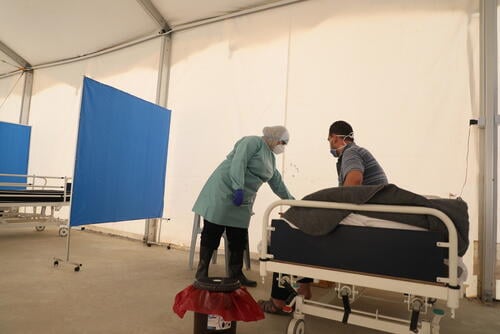
مرض الكورونا كوفيد-19
أطباء بلا حدود تستجيب لوصول كوفيد-19 إلى أكبر مخيم للاجئين في الأردن
تحديث حول مشروع
29 Oct 2020
Coronavirus COVID-19 pandemic
MSF responds as COVID-19 arrives in Jordan’s largest refugee camp
Project Update
28 Oct 2020
Colombia
MSF responds to a resurgence of violence in Norte de Santander and Nariño
Project Update
28 Oct 2020
Speaking Out videos: MSF and the Rohingya 1992 - 2014
Video 1: 1978: The Rohingya Exodus to Bangladesh
15 June 1978
For several weeks, around 200,000 Rohingya Muslims from Arakan (Rakhine) in Burma have been fleeing to Bangladesh, targeted by the government’s “Dragon” operation, officially carried out under the pretext of checking nationalities.
Source: INA / TF1 (tv program “L’événement”, in French, translated in English)
Video 2: The Rohingya in Bangladesh
1992
The government in Rangoon (Yangon) does not recognize the Rohingyas as Burmese (from Myanmar) citizens. More than 200,000 have taken refuge in Bangladesh, where they live in precarious shelters with insufficient water and food supplies.
Source: Excerpt from MSF France’s ‘’A Year in Focus 1992’’ (in French, subtitled in English)
Video 3: Cyclone batters Myanmar's main city Yangon
4 May 2008
A powerful cyclone hit Myanmar, causing several deaths and significant damage. Four fatalities have been confirmed in Yangon, and five regions have been declared disaster zones.
Source: Al Jazeera
Video 4: Cyclone Nargis Reveals Obstacles to Humanitarian Aid
7 August 2008
In May 2008, Cyclone Nargis devastated much of Myanmar, also revealing the limitations of the international community in its negotiations with the regime. For several weeks, the Myanmar government obstructed efforts to aid more than two million people affected by the disaster.
Source: VOA
Video 5: MSF Press Conference on Humanitarian Aid in Myanmar
4 June 2008
At a press conference, MSF reported that some areas of the Irrawaddy Delta in Myanmar remained without aid more than a month after Cyclone Nargis struck. Kaz de Jong, a mental health specialist, described residents as very sad and anxious, exhausted, and demotivated.
Source: AP
Video 6: Bangladesh seeks end to Rohingya aid
5 August 2012
The 300,000 Rohingya refugees in Bangladesh are living in catastrophic conditions, without food or clean water. Bangladeshi government has asked MSF and two other agencies to stop providing aid. The UN is calling for an investigation into the violence in Myanmar's Rakhine State, from which the Rohingya have fled.
Source: Al Jazeera
Video 7: Claims of ethnic violence in Myanmar
22 April 2013
Human rights activists have accused the Myanmar authorities of overseeing ethnic cleansing attacks against the Rohingya Muslim minority. New footage shows Buddhists attacking Muslim homes and businesses while the police look on passively.
Source: Channel 4
Video 8: Aung San Suu Kyi on the Rohingya Muslims
17 April 2013
Aung San Suu Kyi, leader of the opposition to the ruling junta in Myan states that she opposes all forms of violence, while emphasizing that the status of the Rohingya Muslim community depends on the current citizenship laws.
Source: Shingetsu News
Video 9: Analysis: Myanmar’s conflicting narratives
aljazeera.com22 April 2013
While Burmese President Thein Sein is being celebrated in New York' a Human Rights Watch report accuses him of ethnic cleansing and crimes against humanity, highlighting the stark contrast between the positive image promoted internationally and the violent repression, particularly against Muslims.
Source: Al Jazeera
Video 10: Rakhine Peoples Protest Against MSF
25 February 2014
For the third consecutive day, residents of villages in Sittwe, Rakhine State, have been protesting to demand that Médecins Sans Frontières, which provides healthcare assistance in the region, leave the state immediately.
Source: RFA Burmese (in Burmese)
Video 11: Rohingyas: A Massive Exodus from Myanmar
1 September 2017
Thousands of Rohingya Muslims have fled Myanmar to Bangladesh in the past week as the latest violence erupted.
Source: BBC
Video 12: Rohingya Crisis: Testimony of a Survivor
14 December 2017
A Rohingya survivor describes her escape after her village was attacked by Myanmar security forces. She describes the violence she endured, including the murder of her son before her eyes.
Source: MSF (English subtitles)
Video 13: MSF: Myanmar Army Killed 7,000 Rohingya in One Month
14 December 2017
MSF estimates that at least 9,000 Rohingya civilians died in Myanmar over the course of one month earlier this year, including nearly 7,000 killed in violent attacks by the military troops. This figure contrasts sharply with the Myanmar government’s count, which acknowledges only 400 refugees killed during the same period.
Source: Al Jazeera
Video 14: Bangladesh–Myanmar: Statement by the ICC Prosecutor
22 November 2019
Statement by ICC Prosecutor Fatou Bensouda regarding the decision to open an investigation into alleged crimes against humanity – including deportation, acts of persecution, and other inhumane acts – committed against the Rohingya population in Myanmar from June 1, 2010.
Source: ICC
Anchor Links
Label
2008
Anchor
2008
Label
2012
Anchor
2012
Label
2013
Anchor
2013
Label
2014
Anchor
2014
Label
2017
Anchor
2017
Label
2019
Anchor
2019
Headline
Speaking Out videos: MSF and the Rohingya 1992 - 2014
Background
None
Schedule content for publication
Off
Description
Speaking Out videos: MSF and the Rohingya 1992 - 2014
Do not include into latest
On
Select caption
Short caption
Use a custom breadcrumb
No
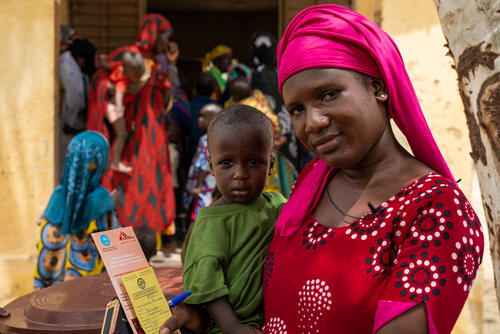
Mali
Prevention is better than cure – vaccinating against measles in Timbuktu
Project Update
27 Oct 2020
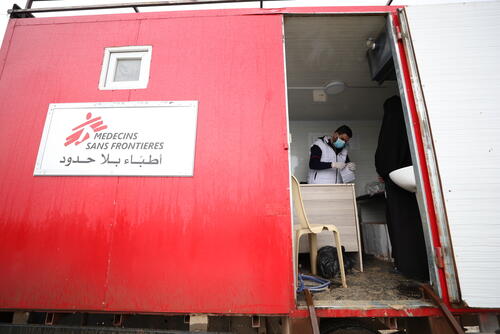
سوريا
تلقي عشرات المصابين العلاج جراء غارة جوية في إدلب
تحديث حول مشروع
26 Oct 2020
Syria
Dozens of people treated following an airstrike in Idlib
Project Update
26 Oct 2020
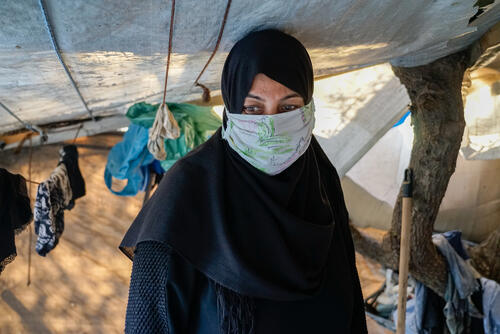
Greece
Negligent and dangerous COVID-19 response in Vathy camp, Samos
Project Update
26 Oct 2020
Cameroon
Doctors Without Borders responds to school shooting in southwest Cameroon
Press Release
24 Oct 2020
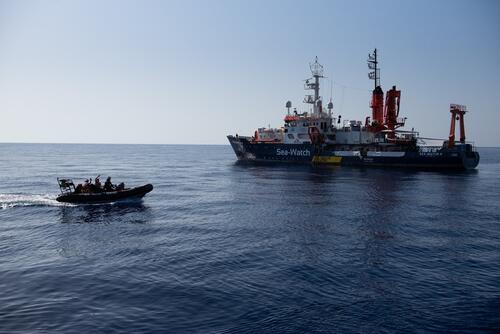
الهجرة عبر البحر الأبيض المتوسط
حياة الناس على المحك بانتظار قرار الطعن القانوني المقدم لتحرير سفينة سي ووتش 4
بيان صحفي
24 Oct 2020
Mediterranean migration
Lives on the line as legal appeal lodged to free the Sea-Watch 4
Press Release
23 Oct 2020

How we work
How we deliver medical humanitarian assistance
Everywhere we work, the circumstances are unique. Nonetheless, our programmes generally follow a common set of practices designed to make sure our resources and expertise are used to maximum effect.