


Discover all our latest news, stories and publications. Use the filter to get to the content you're looking for.
Speaking Out videos: War crimes and politics of terror in Chechnya 1994-2004
Video 1: MSF arrival in Chechnya
December 1994
MSF (Un)Limited - MSF Belgium -Christopher Stokes, MSF Belgium coordinator - (English)
Video 2: MSF aid convoy
14 January 1995
AP
Video 3: Chechnya: The Price of War
1995
MSF, EUP - Christophe Picard - Tchétchénie, un peuple qu’on assassine (French)
Video 4: Shamil Bassaiedv interviewed in Budyonnovsk hospital
16 June 1995;
AP
Video 5: Pervomaiskaia Hostage situation
19 January 1995
AP (English)
Video 6: 1995 A Year in Focus
May 1995
MSF France
Video 7: Chechnya, Far from Peace
1996
MSF, EUP (English)
Video 8: MSF kidnapped in Chechnya
1996
France 2 - Renaud Tockaert, MSF Belgium Programme manager (French)
Video 9: MSF workers kidnapped
28 April 1996
AP
Video 10: Negotiation to free MSF workers
30 April 1996
AP
Video 11: Release of MSF Hostages in Chechnya
1996
Dr. Eric Goemaere, MSF (French/English)
Video 12: François Jean on the situation in Grozny
21 August 1996
(French)
Video 13: Interview of ACF hostages
23 August 1996
AP (English)
Video 14: Red Cross stops its operation in Chechnya
17 December 1996
AP
Video 15: 4 Foreigners are found dead
12 December 1998
AP
Video 16: Vincent Cochetel: in captivity
2010
UNHCR
Video 17: MSF Nobel Prize Speech: rally on Chechnya
1999
MSF
Video 18: Interview of MSF France Director of Operations
15 January 2000
AP (English)
Video 19: MSF Press conference: Kenny Gluck's abduction
10 January 2001
AP - Press conference in Moscow on Kenny Gluck's abduction (English)
Video 20: MSF suspends its operations
12 January 2001
AP
Video 21: MSF Press conference: USA aid worker kidnapped in Chechnya
aparchive.com13 January 2001 - MSF Press conference, New York.
Video 22: MSF to resume work in Chechnya
15 January 2001
AP - Marcel van Soest, MSF Holland, Director of Operations (English)
Video 24: Press conference: Kenny Gluck on his captivity
8 February 2001
AP (English)
Video 25: Dubrovka hostage situation
24 October 2002
AP - Stephan Oberreit, MSF France Director of Communication (English)
Video 26: Dubrovka hostage situation
24 October 2002
France 2 (French)
Video 27: Hostages in Moscow theater
26 October 2002
France 3 (French)
Video 28: Erkel: MSF denounces Russia's inaction
12 August 2003
France 3 - Dr Jean-Hervé Bradol, President of MSF France (French)
Video 29: Focus on Arjan Erkel
7 March 2003
RTS (French)
Video 30: Arjan Erkel's interview
11 April 2004
AP - Moscow (English)
Anchor Links
Label
1994
Anchor
node1
Label
1995
Anchor
node2
Label
1996
Anchor
node7
Label
1998
Anchor
node15
Label
2000-2002
Anchor
node16
Label
2003-2010
Anchor
node27
Headline
Speaking Out videos: War crimes and politics of terror in Chechnya 1994-2004
Background
None
Schedule content for publication
Off
Description
Speaking Out videos: War crimes and politics of terror in Chechnya 1994-2004
Do not include into latest
On
Select caption
Short caption
Use a custom breadcrumb
No
Speaking Out videos: Genocide of Rwandan Tutsis 1994
All Case Studies > Genocide of Rwandan Tutsis 1994 > Videos
Video 1: Famine in camps of Burundian refugees in Rwanda
1993
In Burundian refugee camps in Rwanda, where MSF teams are present.
Video in French, subtitled in English
Video 2: Kigali during the genocide of Rwandan Tutsi
2006
Excerpt from the documentary “The MSF Adventure” [L'aventure MSF] by Patrice Benquet and Anne Vallaeys, produced by MAHA Productions. France, 2006. Interview with Dr. Jean-Hervé Bradol, Programme Manager at MSF France.
Source: MAHA Production 2006
Video 3: Rwandan Tutsis and moderate Hutus fleeing the massacres
29 avril 1994
Increasingly disturbing reports indicate a mass exodus of Rwandans fleeing the massacres to seek refuge in neighboring Burundi. In Kigali, Philippe Gaillard, ICRC delegate, and Alphonse Nkubito, from the Human Rights League, bear witness.
Source: INA/France 2 (Video in French, translation available in English)
Video 4: Report on situation in Rwanda
8 avril 1994
After the death of the presidents of Rwanda and Burundi in a plane crash, violent clashes have erupted between Tutsis and Hutus.
As the violence escalates, France and Belgium are considering evacuating their nationals, while Médecins Sans Frontières warns that the wounded have no access to medical care and that serious abuses are being committed on the ground. Interview with Marc Gastellu-Etchegorry of MSF.
Source : INA/ France 2 (Video in French, translation available in English)
Video 5: Justice comes (late) to Rwanda
pbs.orgInterview with Philippe Gaillard, head of the ICRC mission in Rwanda in 1994. (In English)
Video 6: Witnessing killing in Kibeho (Rwanda) in April 1994
October 1995
Wouter van Empelen, Program Manager at MSF Netherlands, reports how he witnessed, from the road, the killings in Kibeho in April 1994.
Source: MSF (Video in Dutch subtitled in English)
Video 7: Witnessing killing at a checkpoint, close to Butare in April 1994
October 1995
Wouter van Empelen, Program Manager at MSF Netherlands reports on the killing he witnessed at a checkpoint close to Butare in April 1994.
Source: MSF (Video in Dutch, subtitled in English)
Video 8: Dr Rony Zachariah testimony on the massacre of MSF Rwandan Staff members
2011
Excerpt from the documentary “MSF (un)limited” by Peter Casaer and Caroline Van Nespen, produced by MSF in 2011. Testimony of Dr Rony Zachariah, MSF medical coordinator, on the massacre of MSF Rwandan staff during the genocide in April 1994.
Source: MSF
Video 9: MSF realises it is facing genocide in Rwanda.
2006
Excerpt from the documentary “The MSF Adventure” [L'aventure MSF] by Patrice Benquet and Anne Vallaeys, produced by MAHA Productions. France, 2006. Interview with Dr. Jean-Hervé Bradol, Program Manager for MSF France programmes in Rwanda in 1994.
Source: MAHA Production 2006 (Video in French subtitled in English)
Video 10: MSF condemns France's responsibility and inaction in Rwanda
16 May 1994
On French television channel TF1, Jean-Hervé Bradol, MSF France Programme Manager, returning from Kigali, describes a “systematic policy of extermination of the Tutsis.” He denounced France's overwhelming responsibility for equipping, financing, and training the perpetrators of the massacres, as well as its silence. This indignation is echoed in an open letter from MSF to the President of France.
Source: INA/TF1 (Video in French subtitled in English)
Video 11: MSF condemns French government's inaction against perpetrators of genocide in Rwanda
2006
Excerpt from the documentary “The MSF Adventure” [L'aventure MSF] by Patrice Benquet and Anne Valleys, produced by MAHA Productions. France, 2006. Interview with Dr. Jean-Hervé Bradol, Program Manager at MSF France, in “Les quatre vérités”, French TV France 2 programme.
Source: MAHA Production 2006 (Video in French subtitled in English)
Video 12: The center of Kigali fell to the RPF
5 April 1994
The center of Kigali fell to the RPF after two days of intense bombardment of government positions. Testimony from Dr. James Orbinski of MSF.
Source: Associated Press
Video 13: MSF Meeting with French President Mitterrand on 12 June 1994
2006
Excerpt from the documentary “The MSF Adventure” [L'aventure MSF] by Patrice Benquet and Anne Valleys, produced by MAHA Productions. France, 2006. Interview with Dr. Jean-Hervé Bradol, Program Manager at MSF France.
Source: MAHA Production 2006
Video 14: MSF calls for an armed intervention to stop the genocide
17 juin 1994
MSF calls for an immediate armed intervention in Rwanda to protect Tutsis and moderate Hutus and to end the genocide. Dr. Philippe Biberson, President of MSF France’s Board of Directors, calls for immediate armed intervention in Rwanda to “stop the massacre, because humanitarian aid can do nothing in this area.”
o
Source : INA/France 2 (Video in French, translation available in English)
Video 15: Launch of French Operation Turquoise in Rwanda
22 June 1994
With the UN’s green light, France launches Operation Turquoise in Rwanda to protect civilians, scheduled for June 23, 1994.
Source: INA/France 2 (Video in French)
Anchor Links
Label
1993
Anchor
node1
Label
1994
Anchor
node2
Label
1995
Anchor
node10
Label
2006
Anchor
node12
Headline
Speaking Out videos: Genocide of Rwandan Tutsis 1994
Background
None
Schedule content for publication
Off
Description
Speaking Out videos: Genocide of Rwandan Tutsis 1994
Do not include into latest
On
Select caption
Short caption
Use a custom breadcrumb
No
قصة مصورة
عاملات في الجنس يكسرنَ الحواجز التي تحرمهنّ من تلقي الرعاية الطبية وينشرنَ الوعي الصحي
8 May 2019
قصة مصورة
Chad
Measles epidemic declared in May 2018, still not under control one year on
Project Update
8 May 2019
Central African Republic
"We have not seen any doctors in Mingala for more than two years"
Project Update
7 May 2019
Photo Story
The sex workers on the frontlines of the HIV response
6 May 2019
Photo Story
Speaking Out videos: Salvadoran Refugee Camps In Honduras 1988
Video 1: MSF in Salvadoran Refugee camps in Honduras
1982
France 2/INA
Video 2: Refugee Camps in Honduras: La virtud, Colomoncagua, Mesa Grande
8 June 1984
France 2/INA - La virtud, Colomoncagua, Mesa Grande Refugee Camps in Honduras
Video 3: MSF doctor in Colomoncagua refugee camp
21 December 1986
France 3/INA - Avelino, MSF doctor in Colomoncagua refugee camp, Honduras
Anchor Links
Label
1982
Anchor
node1
Label
1984
Anchor
node2
Label
1986
Anchor
node3
Headline
Speaking Out videos: Salvadoran Refugee Camps In Honduras 1988
Background
None
Schedule content for publication
Off
Description
Speaking Out videos: Salvadoran Refugee Camps In Honduras 1988
Do not include into latest
On
Select caption
Short caption
Use a custom breadcrumb
No
Speaking Out videos: Rwandan Refugee Camps in Zaire and Tanzania 1994-1995
Video 1: Benaco, a model camp...
On 28 April 1994, more than 100,000 Rwandan refugees arrived at the Rusumo border in Tanzania. A reception site set up by MSF became the Benaco camp.
Behind the humanitarian emergency, testimonies reveal that this exodus was orchestrated to establish a rear base safe from an offensive by the RPF. Presented as a “model camp,” Benaco quickly came under the control of former officials of the Rwandan regime responsible for the genocide.
Source: Excerpt from the film ‘Benaco, a Model Camp…’ by Christophe Picard, produced by MSF/EUP, 1994.
MSF
Video 2: MSF et MDM react to the French intervention in Rwanda
5 July 1994
Philippe Biberson, President of Board of Directors at MSF France, and Bernard Granjon, President of Board of Directors at Médecins du Monde, condemn the French-led “Turquoise” operation, which they say worsens the humanitarian situation.
INA/France 2. (Video in French, translated in English)
Video 3: Report on Rwandan refugees in Zaïre
gettyimages.co.uk18 July 1994 - ITN – Interview with Samantha Bolton, MSF Press officer.
Video 4: MSF staff mobilisation for Zaire
22 July 1994
At MSF’s headquarters in Paris and the logistics center in Bordeaux, the staff is coordinating volunteer calls and preparing emergency kits and vaccination supplies for Rwandan refugees. Interviews with Bernard Pécoul, Director General, and Bernard Chomillier, Logistics Director at MSF France.
INA/France 2. (Video in French, translated in English)
Video 5: Goma: Refugees Caught Between Cholera and Manipulation
22 July 1994
More than one million Rwandans are fleeing to Zaire, where cholera is killing thousands in refugee camps. NGOs, including MSF, struggle to contain the epidemic due to a lack of resources. Interview with Catherine Lefèvre from Médecins Sans Frontières.
INA/France 2. (Video in French, translated in English)
Video 6: Rony Brauman: Rwanda, Humanitarian Aid, and Genocidaires
22 July 1994
Rony Brauman, former president of MSF France, speaks about the urgent need to provide aid to refugees in Tanzania and Zaire, within the “safe zone” established by France, as well as about organising their return to Rwanda and the situation in the camps under the control of the “genocidaires.”
INA/France 2. (Video in French, translated in English)
Video 7: Cholera Among Rwandan Refugees: MSF Counts the Dead
gettyimages.fr22 July 1994
In the heart of the Rwandan refugee camps in Zaire, struck by cholera and dehydration, an MSF worker moves among the sick, searching for and counting the dead.
Source: ITN Archive Limited (Video in English)
Video 8: Goma: Refugees Under the Control of the “Genocidaires”
Excerpt from the documentary “Rwanda: The Humanitarian Dilemma” by Michel Anglade, produced by MSF in 1995.
MSF. (Video in English)
Video 9: Refugees arriving in Zaire from humanitarian safe zone after French army departure
gettyimages.co.uk19 August 1994 - ITN - Interview with Samantha Bolton, MSF press officer on risks of epidemic outbreak
Video 10: NGOs condemn the premature withdrawal of French forces
22 August 1994
After the withdrawal of soldiers from Operation Turquoise, NGOs assess the humanitarian aid effort. Bernard Pécoul (MSF) criticises the use of humanitarian efforts to fill the political vacuum, while Vincent Faber (Médecins du Monde) laments the lack of handovers to continue humanitarian work.
INA/France 2. (Video in French, translated in English)
Video 11: MSF Withdraws from Bukavu
14 November 1994
Faced with a lack of security and the abandonment by the international community, MSF France has decided to leave Bukavu in eastern Zaire. Dr. Dominique Martin, MSF France’s field coordinator, explains the reasons for this withdrawal.
INA/France 2. (Video in French, translated In English)
Anchor Links
Label
1994
Anchor
node1
Label
1995
Anchor
node8
Headline
Speaking Out videos: Rwandan Refugee Camps in Zaire and Tanzania 1994-1995
Background
None
Schedule content for publication
Off
Description
Speaking Out videos: Rwandan Refugee Camps in Zaire and Tanzania 1994-1995
Do not include into latest
On
Select caption
Short caption
Use a custom breadcrumb
No
Speaking Out videos: MSF and Srebrenica 1993-2003
All Case Studies > MSF and Srebrenica 1993-2003 > Videos
Video 1: General Morillon in Srebrenica
General Morillon, UNPROFOR commander in Bosnia-Herzegovina, denies that he is being held against his will in the Muslim province of Srebrenica. A UNPROFOR officer confirms that General Morillon voluntarily stayed with the people of Srebrenica and was not detained by them as had been thought.
13 March 1993
France 2/INA (Video in French)
Video 2: Rony Brauman: Srebrenica
In this interview, Rony Brauman, President of MSF France, criticizes Western governments and European citizens for failing to prevent a strategy of racial domination and territorial conquest in Europe. This inaction is described as leading to a barbaric situation.
17 April 1993
France 2/INA (Video in French)
Video 3: 1994 A Year in Focus
The Gorazde enclave, declared previously a secured zone, is since mid-April caught in a barrage of fire. Two MSF staff are witness to the demise of the enclave.
May 1994
MSF France (Video in French)
Video 4: Factuel Srebrenica
On Tuesday 11 July, Bosnian Serb forces overran the Muslim enclave of Srebrenica in eastern Bosnia. 30,000 people have fled and are trying to find refuge around Potocari, the main UNPROFOR base in the region. This enclave became a UN security zone in 1993. By telephone, Stéphan Oberreit, MSF coordinator in Belgrade, reports on the situation.
12 July 1995
France 2/INA (Video in French)
Video 5: Fall of Srebrenica
Stephan Oberreit, MSF coordinator in Belgrade, describes the situation in Srebrenica.
12 July 1995
France Inter/INA – (Video in French)
Video 6: Srebrenica: Ethnic Cleansing
Ethnic cleansing’ is once again under way in Bosnia, in the Muslim enclave of Srebrenica, which Serb forces seized on Tuesday 11 July. The Serbs have begun to organise the expulsion of the enclave's Muslim population, under the direction of their commander, General Mladic. Thousands of refugees ended up in Tuzla, another Muslim enclave, to escape the Serbs.
11-13 July 1995
France 2/INA (Video in French)
Video 7: Christina Schmitz on Srebrenica
Interview of Christina Schmitz, MSF field coordinator in Srebrenica in 1995. She describes the humanitarian situation she experienced in the enclave.
2014
Extract of ‘MSF(UN)Limited’, an MSF Documentary film.
Video 8: Mazowiecki Resignation
Rony Brauman, former President of MSF, comments on the current situation in Bosnia and expresses his views on the decision to lodge a complaint against the UN Security Council and on the resignation of UN human rights rapporteur Tadeusz Mazowiecki. In his view, the fiction has been shattered by the facts and the diplomatic-humanitarian set-up no longer works. He does not believe that Europe can fight for undefined objectives. He is not angry with politicians, but with those who turn humanitarianism into a gadget.
27 July 1995
France 2/INA – (Video in French)
Video 9: A Few Home Truths
On the news set, Pierre Salignon, MSF Deputy Programme Manager in the former Yugoslavia.
14 August 1995
France 2/INA – Les quatre vérités (Video in French)
Video 10: Srebrenica in Memoriam
In May 1993, the UN declared Srebrenica a safe area. Two years later, following an assault by Serb forces, the enclave fell, despite the presence of a contingent of Dutch peacekeepers. Through the testimonies of a Dutch peacekeeper and Bosnian refugees, this film traces the end of the enclave.
August 1995
A Documentary film by Christophe Picart/EUP/MSF
Video 11: Envoyé spécial
Pierre Salignon, MSF Deputy Programme Manager in the former Yugoslavia: - ‘I work with refugees at the hospital in Srebrenica. The stories are so serious that we decided to make them public... Between five and eight thousand people have disappeared, mostly men who fled into the forest. In Srebrenica, the fall was the culmination of ethnic cleansing and deportations to Tuzla’.
12 October 1995
France 2/INA – (Video in French)
Video 12: 1996 A Year in Focus
In July, the enclave of Srebrenica fell into the hands of the Serbs, despite the UN had declared it a safe area. MSF assisted the wounded after the last minute. But families were separated and deported to Tuzla.
May 1996
MSF France
Video 13: Srebrenica, a Bosnian betrayal
29 May 1996
Channel 4
Video 14: French parliamentary fact-finding mission on Srebrenica
Interview with Françoise Bouchet-Saulnier, Legal Director of MSF (the association lost twenty-two of its members in Srebrenica). She states that MSF is dissatisfied with the French parliamentary fact-finding mission. The mission's access to archives and personnel is incomplete.
26 January 2001
France Inter/INA - (Audio in French)
Video 15: Meeting: MSF Officials and members of the Srebrenica Municipality
Pierre Salignon, former Programme Manager of MSF France in former Yugoslavia and other MSF officials meet with Bosnian and Serb members of the Srebrenica Municipality
March 2001
EUP/MSF (Video in French)
Video 16: French Parliamentary Fact-Finding Commission on Srebrenica
Hearing of Christina Schmitz and Daniel O’Brien, MSF members, by French Parliamentary Fact-Finding Commission on Srebrenica.
29 March 2001
MSF
Video 17: 2001 A Year in Focus
Srebrenica Fall: With the Parliamentary Fact-Finding Commission on Srebrenica, members of Parliament are investigating in the military aspect of the fall of the enclave of Srebrenica.
22 June 2001
MSF France (Video in French)
Video 18: Parliamentary Mission into the Srebrenica massacre
News report dedicated to the report of the parliamentary mission on the Srebrenica massacre, designed to assess France's responsibility in the operation. Interview with Jean-Hervé Bradol from MSF.
29 November 2001
France 3/INA – (Video in French)
Video 19: Serbian Parliament Public Apology for the Massacre of Srebrenica
After 13 hours of debate, the Serbian parliament has adopted a resolution publicly apologising for the massacre of 8,000 Bosnian Muslims in Srebrenica in 1995. Deep divisions remain in the country over this chapter of history, and the Serbian far right demonstrated outside parliament.
31 March 2010
France 3/INA (Video in French)
Anchor Links
Label
1993
Anchor
node1
Label
1994
Anchor
node3
Label
1995
Anchor
node4
Label
1996
Anchor
node13
Label
2001
Anchor
node15
Label
2010
Anchor
node20
Headline
Speaking Out videos: MSF and Srebrenica 1993-2003
Background
None
Schedule content for publication
Off
Description
Speaking Out videos: MSF and Srebrenica 1993-2003
Do not include into latest
On
Select caption
Short caption
Use a custom breadcrumb
No
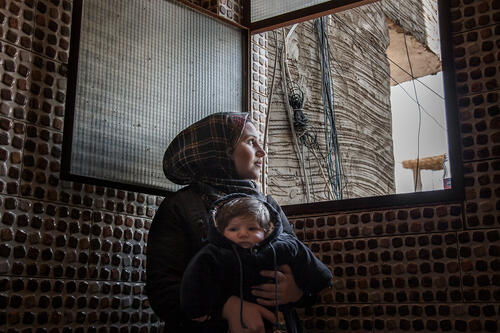
لبنان
القابلات المتمكنات يضمنّ سلامة وراحة الأم خلال الحمل والولادة
أصوات من الميدان
3 May 2019
Lebanon
Empowered midwives, satisfied mothers – midwife-led care in Lebanon
Voices from the Field
3 May 2019
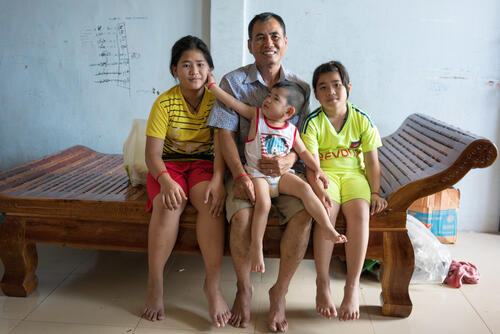
التقرير الدولي عن أنشطة أطباء بلا حدود لعام 2017
التهاب الكبد C : جهود حثيثة لتأمين العلاج الشافي
3 May 2019
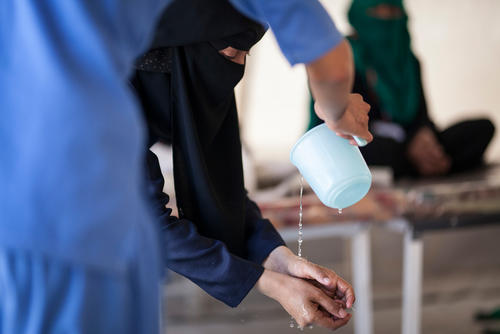
التقرير الدولي عن أنشطة أطباء بلا حدود لعام 2017
الكوليرا: مرض يسهل علاجه والوقاية منه لكنه فتك بحياة الناس خلال 2017
3 May 2019
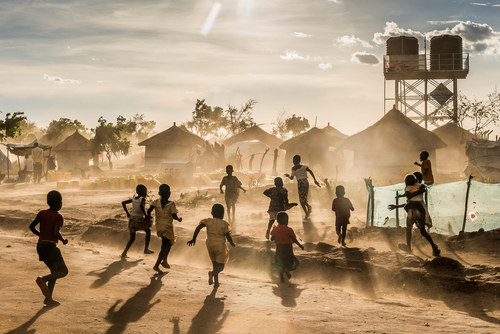
التقرير الدولي عن أنشطة أطباء بلا حدود لعام 2017
جنوب السودان بلا حدود: جهود منظمة أطباء بلا حدود لمساعدة النازحين
3 May 2019
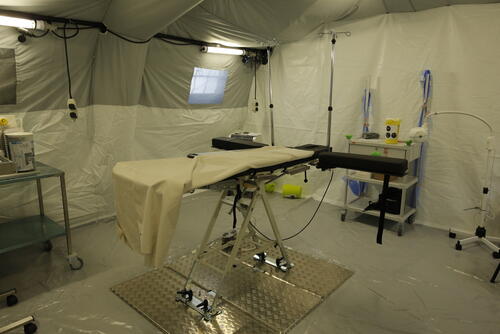
التقرير الدولي عن أنشطة أطباء بلا حدود لعام 2017
العمليات الجراحية لعلاج الإصابات البليغة في الحروب ذائعة الصيت وتلك المنسية
3 May 2019
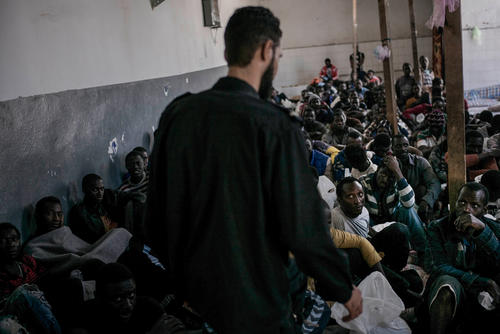
التقرير الدولي عن أنشطة أطباء بلا حدود لعام 2017
خيارات صعبة: توفير الرعاية الصحية في مراكز الاحتجاز في ليبيا
2 May 2019
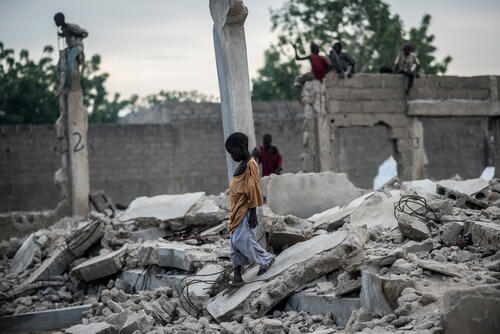
التقرير الدولي عن أنشطة أطباء بلا حدود لعام 2017
حصاد العام
2 May 2019

How we work
How we deliver medical humanitarian assistance
Everywhere we work, the circumstances are unique. Nonetheless, our programmes generally follow a common set of practices designed to make sure our resources and expertise are used to maximum effect.