




2,670
2,67
490
49
190
19
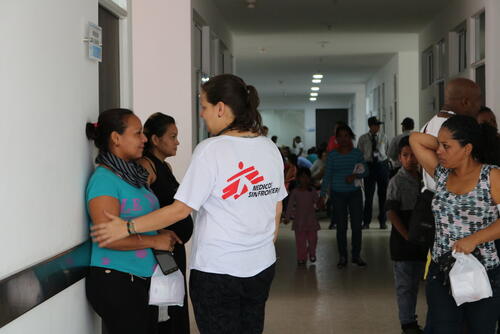
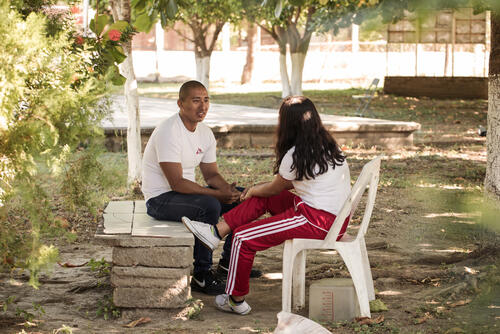
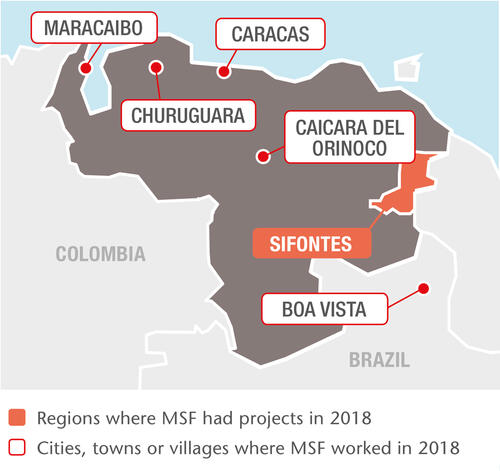
Médecins Sans Frontières (MSF) expanded its activities in the capital, Caracas, which was once again rated one of the most violent cities in the world.<a href="https://www.bbc.com/news/av/stories-45452263/world-s-most-dangerous-cities-ben-zand-comes-face-to-face-with-caracas-kidnap-gangs">BBC, 7 September 2018</a> We worked with local organisations and public institutions to provide medical and mental healthcare to victims of urban and sexual violence in the municipalities of Libertador and Sucre, making referrals for further treatment, legal assistance and social support as necessary.
MSF advocates considering sexual violence a medical emergency and treating it in a comprehensive way. To this end, we trained hospital and health centre staff on how to receive and attend to victims of sexual violence, and conducted awareness-raising campaigns in several neighbourhoods throughout the year.
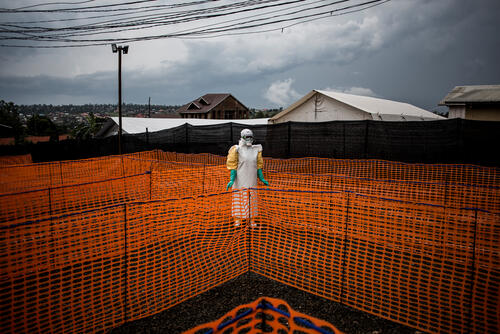
We offered medical and psychological care to people affected by floods in Caicara del Orinoco and Churuguara, and supported emergency preparedness in hospitals around the country. We helped to equip emergency rooms, trained staff to deal with mass casualties and provided psychological first aid to civil defence and voluntary rescue groups.
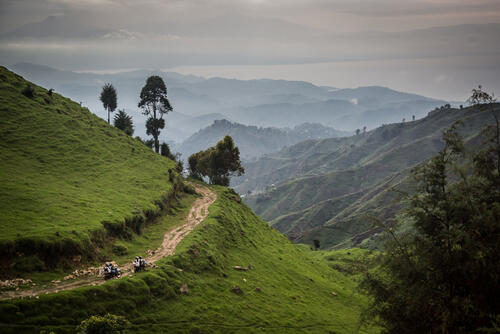
Our medical and psychological care project for young people in Maracaibo ended in March due to difficulties renegotiating the agreement with Zulia state, but we continued to support the national malaria programme in Sifontes, a mining area with the highest number of reported cases in the country. Our activities include diagnosis and treatment, health promotion and vector control.
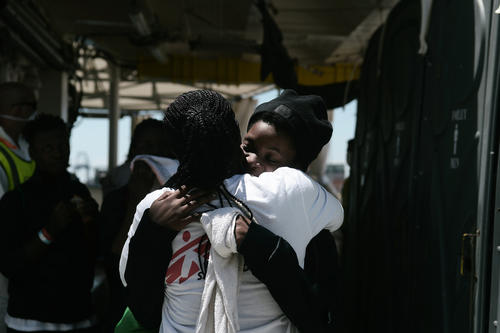
In 2018, we also started activities across the border, in the Brazilian city of Boa Vista, providing mental healthcare, supporting water and sanitation improvements in shelters, and looking at ways to increase access to medical care overall, as the local health facilities struggle to cope with the number of additional patients arriving from Venezuela.
138
138
€4.2 M
4.2M
2015
2015