





2,900
2,9
150
15
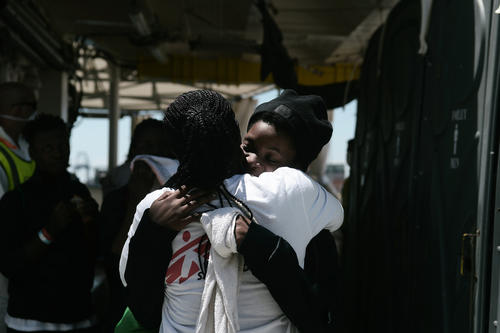
Many migrants and refugees arriving in Europe have suffered traumatic experiences in their countries of origin and during their journeys, which have taken a toll on their mental health. Inadequate asylum, reception and integration policies in destination countries exacerbate these psychological vulnerabilities and often cause further trauma and deterioration of their mental health.
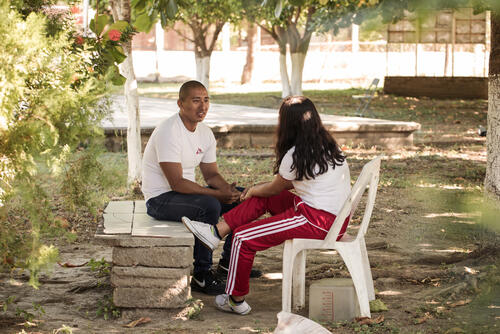
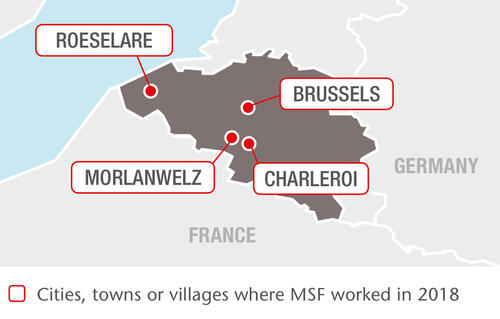
In 2018, we provided psychosocial support in collective and individual housing projects for asylum seekers in the Belgian municipalities of Charleroi, Morlanwelz and Roeselare. Activities included mental health screening, in-depth assessments, psychoeducation, follow-up sessions, and recreational activities to promote general well-being.
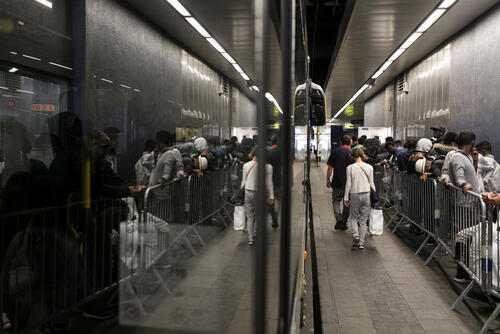
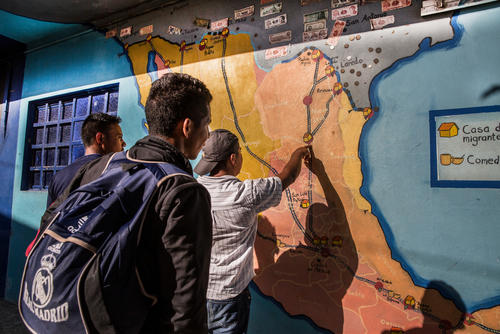
Our teams also assisted migrants living outside the formal reception system, many of whom were transiting through Belgium trying to reach other destinations. These people have an uncertain legal status and often end up living in dire conditions, increasing the risk of new mental health issues on top of existing trauma.
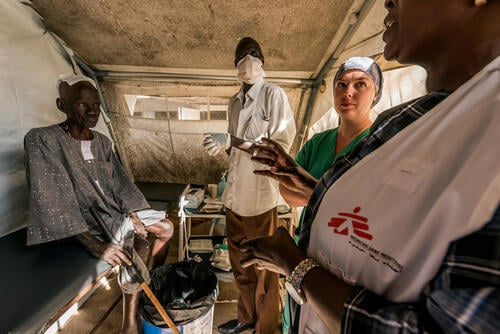
In September 2017, we teamed up with six other organisations to offer a complete package of services in a ‘humanitarian hub’ in Brussels. These services include medical and mental healthcare, family tracing, socio-legal advice and the distribution of clothes.
Our team actively participates in the management of the project and provides mental healthcare. We conducted more than 1,800 individual consultations in the hub, with 448 people in 2018. The majority of these people were men from Sudan, Ethiopia and Eritrea.