


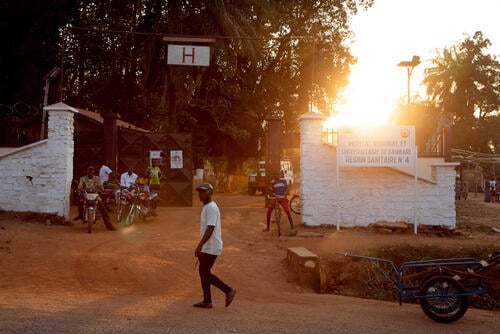
Central African Republic (CAR) is one of many African nations where the pandemic did not reach the catastrophic levels predicted. While this is a huge relief, the knock-on effects of COVID-19 on the fragile healthcare system have been considerable. Vaccination and treatment for diseases such as malaria, malnutrition and measles are just a few examples of lifesaving activities that have been forced to reduce. Although the pandemic has not hit as predicted, MSF staff continue to follow the situation closely. Any outbreak could be devastating, especially now that the country is engulfed in renewed violence.
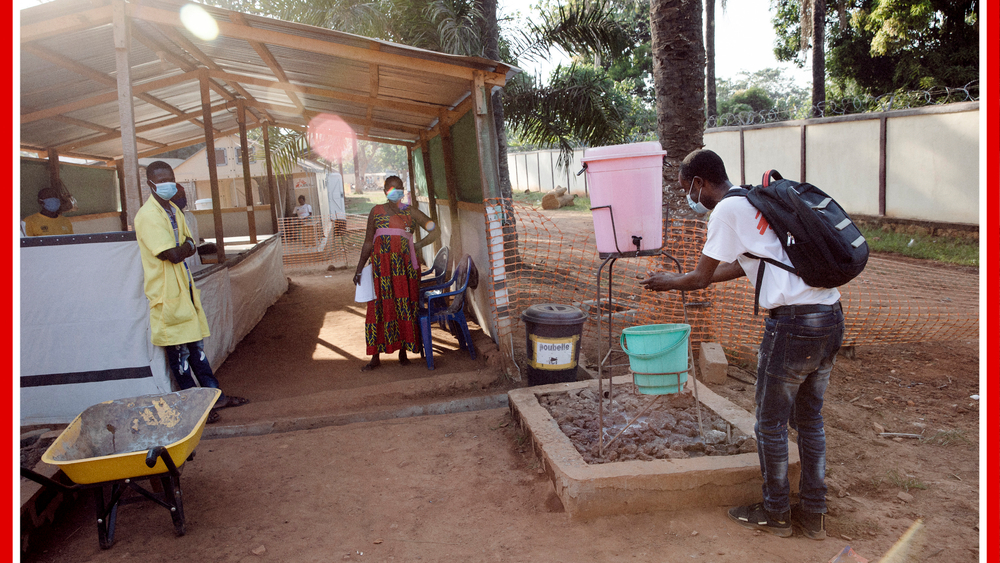
Video
“We have other diseases that are more widespread in CAR”
Bambari cannot afford a pandemic

01
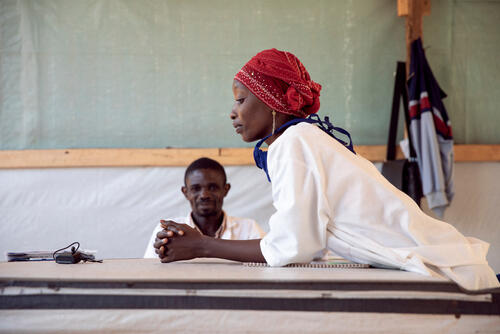
Relocating staff
Zara Ali, 30, is a first aid worker. She used to work within the community, but with the onset of COVID-19, she joined the triage team at Bambari hospital.
02
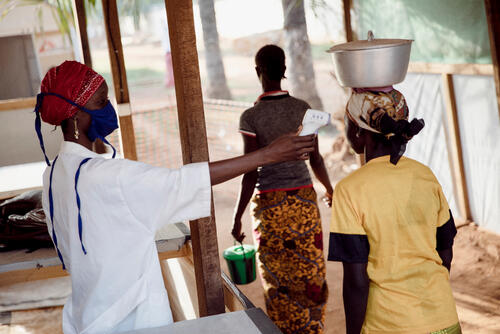
Triage system
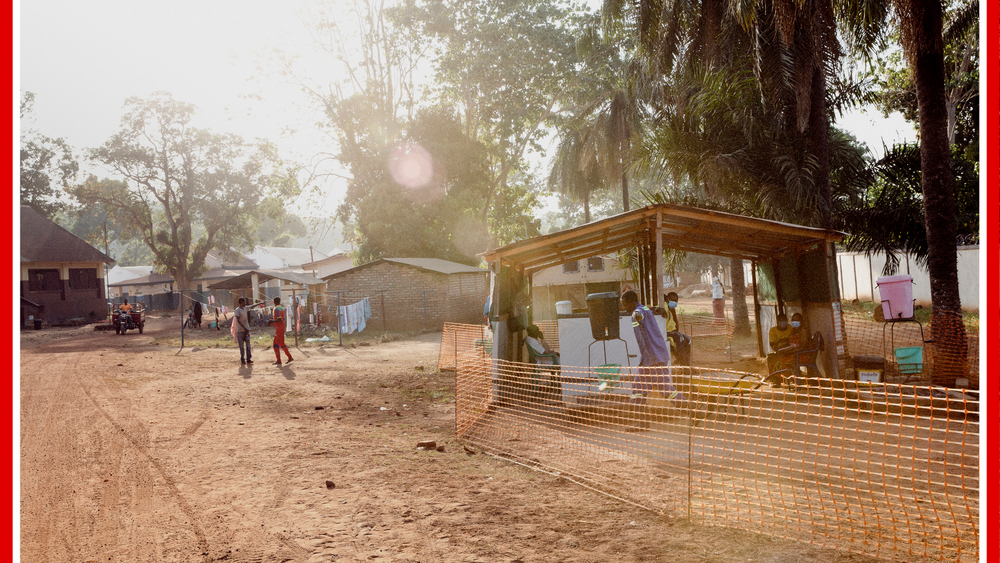
Staff in Bambari hospital help to reduce the impact of COVID-19 by identifying patients with symptoms as soon as possible. But people in CAR have other more urgent worries and medical needs, such as malaria and rising rates of malnutrition among children.
03
Closed schools
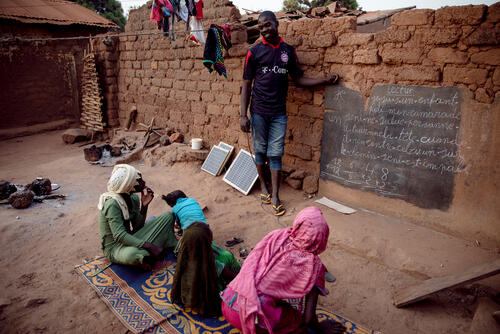
Ali, Zara’s brother, taught the children in his family at home in Bambari during the two months that schools were closed because of COVID-19 restrictions in Central African Republic.
Video