



Ebola disease in DRC: find out how we're responding
Learn more
4633 Results
 
Most of the people admitted to Covid+ centres are homeless people sent from emergency shelters. When MSF mobile teams who intervene in these shelters diagnose someone as possibly having contracted the virus they try to test them——if they have the necessary kits.
From the medical perspective, we know the symptoms of the virus, so we can identify anyone suspected of having the disease. The Regional Health Authority then calls on the Red Cross, which handles transportation, to take them to Covid+ centres set up across Paris and the suburbs. 

In Chatenay-Malabry Covid+ centre (Paris suburbs), there are places for 50 people with confirmed or suspected Covid-19. We provide social support and paramedical/medical care in partnership with NGO Alteralia. This includes checking vital signs: blood pressure, temperature and oxygen saturation to see whether people are breathing properly. We also give advice on hygiene, wearing a mask and hand washing to prevent the infection spreading to other people. We also give medical examinations and, when necessary, take care of patients requiring long-term treatment for other conditions. We monitor them regularly, so if all of a sudden someone who’s really struggling to breathe—remember, this isn’t a hospital so we don't necessarily have the equipment to keep them on oxygen for any length of time—requires further tests, this is the kind of person we call the emergency services for so that they can take them to the hospital. 

MSF teams are on hand throughout the care chain: from the mobile teams, mobile clinic and care provided in the emergency centres through to the medical team who treat patients admitted to the Covid-19 treatment centres.
France

“Access to medical care must be maintained for the most vulnerable” during COVID-19 pandemic

In the midst of the COVID-19 pandemic, MSF is working to ensure that vulnerable people in Paris - including migrants and the homeless - are looked after for COVID-19 and non-virus-related needs. Voices from the Field - 14 Apr 2020
 
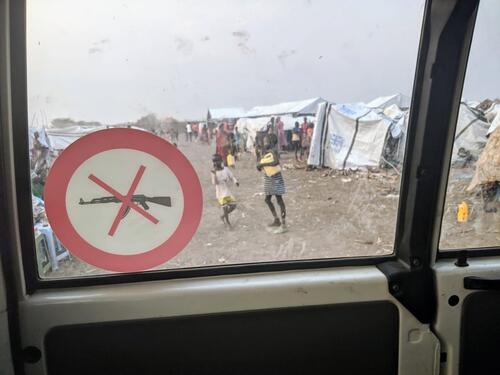
MSF car driving though the PoC in Pibor.
South Sudan

As conflict intensifies near Pibor, thousands flee into the bush

In the weeks since conflict has intensified around Pibor, South Sudan, people are fleeing into the bush with almost no possessions, as MSF teams are treating a number of gunshot wounds. Project Update - 14 Apr 2020
 
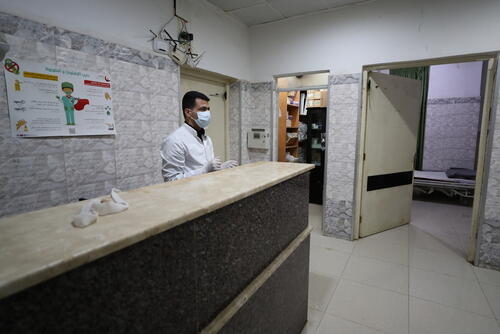
A medic stands at the registration desk of a hospital supported by MSF in Northwest Syria. Behind him, there’s an explanatory poster about preventive measures against COVID-19.
Coronavirus COVID-19 pandemic

Northwest Syria will “struggle to cope in the face of the COVID-19 pandemic”

Recent failures in the healthcare system in northwestern Syria have been painfully highlighted in recent days as it becomes clear that staff and hospitals will struggle with the COVID-19 pandemic. Voices from the Field - 14 Apr 2020
 
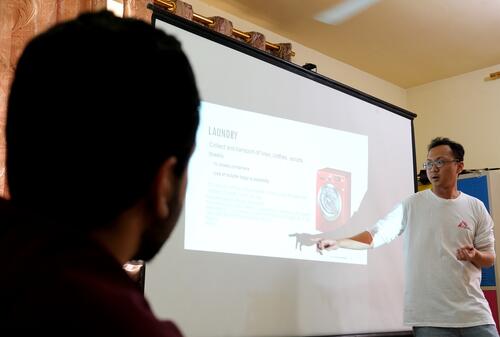
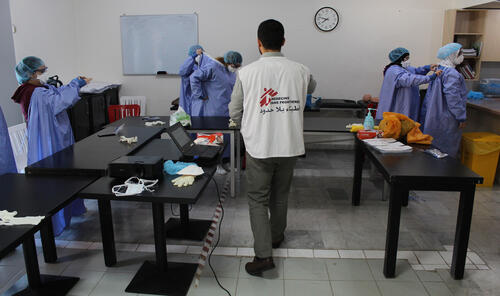
To support Iraqi Ministry of Health on facing COVID-19, MSF is providing MOH hospital staff with technical support on infection prevention and control and patient triage.
Coronavirus COVID-19 pandemic

MSF supports Iraqi hospitals responding to COVID-19

As the new coronavirus pandemic spreads across Iraq, MSF teams are helping local medical staff and hospitals prepare to treat people with the virus. Project Update - 14 Apr 2020
 
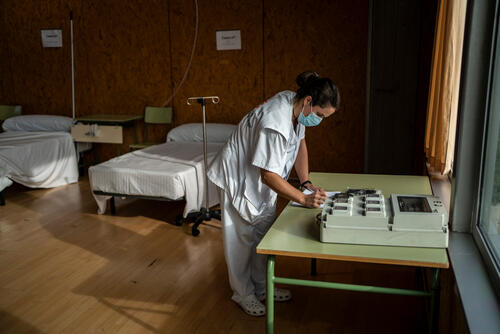
La ampliación de camas mediante un pabellón cercano al Hospital de Alcalá de Henares está lista para su traspaso al hospital.
Coronavirus COVID-19 pandemic

Spain must urgently improve the care of elderly in COVID-19 response

MSF asks that all terminally-ill COVID-19 patients receive pain management with medications used in palliative care and that mental health support be provided to workers, families and patients. Press Release - 9 Apr 2020
 
MSF teams in Lebanon are training staff of various actors on infection prevention and control and biosafety.
Coronavirus COVID-19 pandemic

MSF responds to COVID-19 in Lebanon

Médecins Sans Frontières (MSF) has launched activities in Lebanon to respond to the COVID-19 pandemic, aiming at increasing access to healthcare for vulnerable communities. Project Update - 9 Apr 2020
 
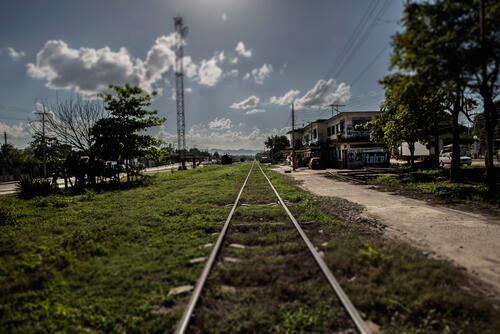
Tenosique Train station.
Central American migration

MSF calls for release of migrants after deadly fire in Tenosique detention centre

MSF calls for the release of migrants in detention centres and their access to medical care and protection, after a fire in Tenosique, Mexico. Press Release - 3 Apr 2020
 
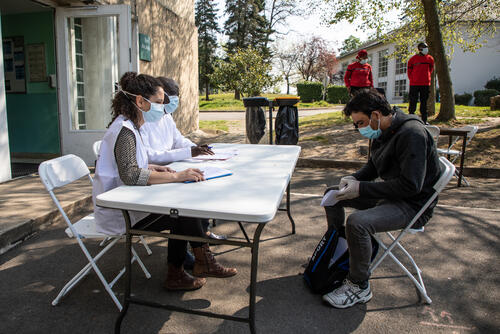
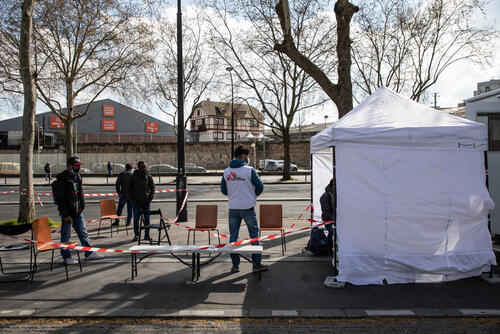
People who live rough on the streets are particularly vulnerable to coronavirus. To ensure continued access to healthcare for them, MSF’s mobile clinic provides treatment (primary healthcare) in Paris and its suburbs. On March 31st, the mobile clinic was deployed at Porte de la Villette, near a food distribution site. A week before, a camp near Aubervilliers was evacuated and around 700 people were dispatched to various emergency shelters in the area. MSF teams are also working in some of these shelters to assess vulnerable people's health and identify suspected Covid-19 cases.
Coronavirus COVID-19 pandemic

Ensuring medical care for vulnerable people in and around Paris as COVID-19 spreads

MSF teams are providing medical care to people confined in emergency shelters or living on the streets or in makeshift camps in Paris and the suburbs during the COVID-19 pandemic. Project Update - 3 Apr 2020
 
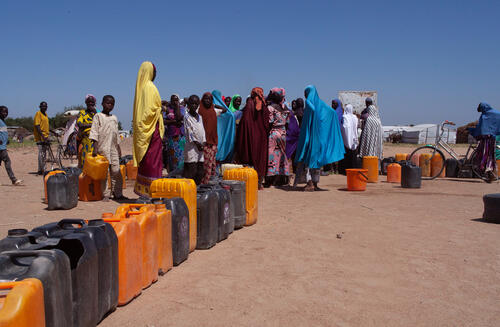
November 2019: Women queue up at a borehole in Gwoza to collect water.
Nigeria

Other diseases will not relent in Borno state during COVID-19 pandemic

After more than a decade of armed conflict, malnutrition, malaria, measles and cholera, over a million displaced people in Borno now face COVID-19. Project Update - 3 Apr 2020
 
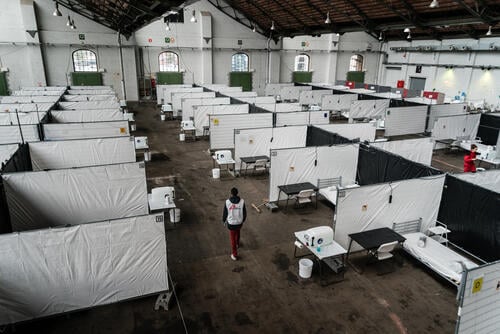
202003, Kristof Vadino, Brussel, Corona, MSF, AZG, Tour&Taxi's, dortoirs, pour précaires infectés du virus corona,
Belgium

COVID-19: MSF launches our largest ever response in Belgium

To support the COVID-19 response in Belgium, we're assisting with infection control in hospitals, care for the elderly and support for vulnerable groups Project Update - 3 Apr 2020
Four mothers posing in a corridor of the Hospital in Bili. All four of them are staying in the hospital with their child, that's suffering from a severe case of malaria. Since the beginning of the project in 2016, the pediatric ward already treated more than 4.000 cases of complicated/severe form of malaria.
Médecins Sans Frontières (MSF)

Independent medical humanitarian assistance

We provide medical assistance to people affected by conflict, epidemics, disasters, or exclusion from healthcare. Our teams are made up of tens of thousands of health professionals, logistic and administrative staff - most of them hired locally. Our actions are guided by medical ethics and the principles of independence and impartiality. We are a non-profit, self-governed, member-based organisation.

Learn more