


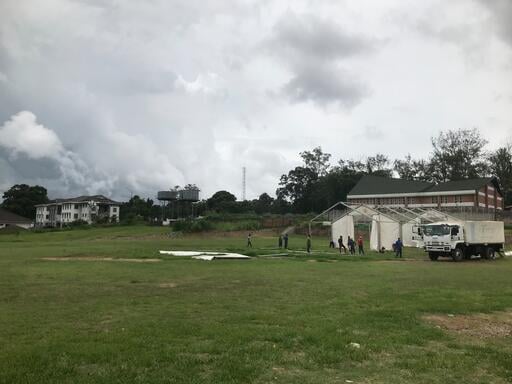

Ebola disease in DRC: find out how we're responding
Learn more
4633 Results
 
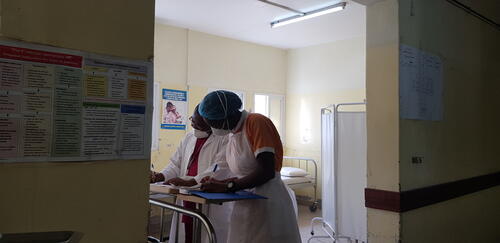
MOH medical stuff fulfilling daily activities at JMH . Maputo. February 2020
Coronavirus COVID-19 pandemic

Ravaged by new strain, southern Africa must get COVID-19 vaccines

As Eswatini, Mozambique, Malawi are being overwhelmed by the second wave of COVID-19, these countries are yet to receive any doses of vaccines, leaving their frontline health workers exposed. Press Release - 3 Feb 2021
 
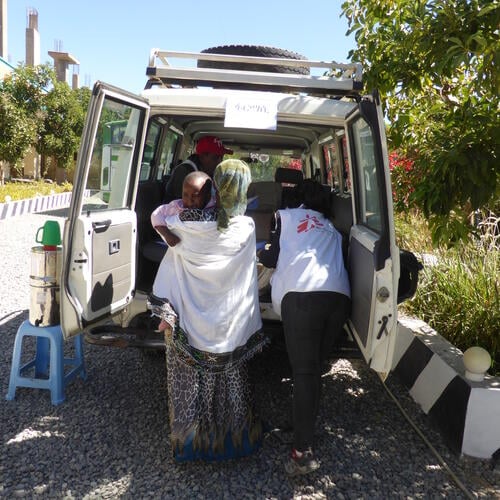
MSF staff transport a patient during a mobile clinic in Hawzen, northeast Tigray.
Ethiopia Tigray crisis

Ethiopia: “If seriously ill people can’t get to hospital, you can imagine the consequences”

Albert Viñas, the recently-returned emergency coordinator in Tigray, Ethiopia, describes the situation of people who've had to leave their homes, and the difficulty faced in trying to access medical care. Voices from the Field - 1 Feb 2021
 
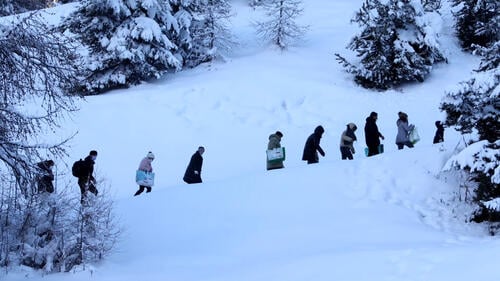
An Afghan family try to cross the border between Italy and France.
Italy

Abandoned at the borders: stories of people on the move during winter

The numbers of migrants and refugees at Italy’s borders has increased in recent months. Their only assistance is from volunteer groups supported by MSF. Voices from the Field - 28 Jan 2021
 
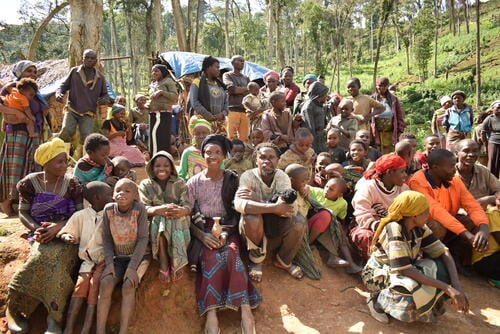
The influx of these extremely vulnerable internally displaced people (IDPs) has exacerbated existing inequalities in Katasomwa, in the Kalehe Territory of South Kivu, in the eastern side of the Democratic Republic of the Congo (DRC). Tensions between communities are materializing in the form of difficulty in accessing food resources and education, particularly for the displaced and local nomadic Pygmy communities.
Democratic Republic of Congo

South Kivu: An endless flight

Unrest in eastern Democratic Republic of Congo has forced thousands to flee their homes. Many are in remote and under-resourced areas of South Kivu. Project Update - 28 Jan 2021
 
After being relatively spared by the COVID-19 pandemic in 2020, Malawi is now being swept by a new, fast-spreading wave of the disease that is quickly overwhelming the health care system. In the first few weeks of January, the number of positive cases has doubled every four to five days and access to vaccines is still likely months away. Médecins Sans Frontières (MSF) is launching an emergency intervention to support the local health authorities to treat the growing number of severe patients hospitalized the Queen Elizabeth Central Hospital in Blantyre.
Coronavirus COVID-19 pandemic

Malawi is overwhelmed by second wave of COVID-19

Faced by an increase in the number of people with the more contagious South Africa strain of coronavirus COVID-19, MSF teams are assisting an overwhelmed health system in Malawi. Interview - 27 Jan 2021
 
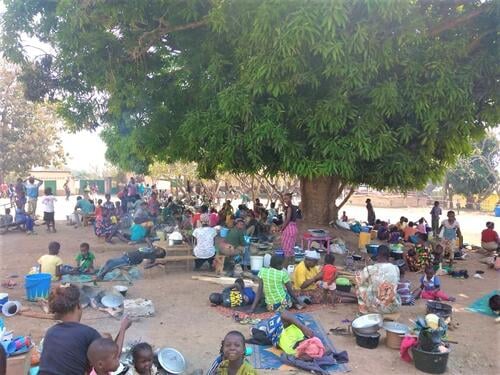
Following post-election violence, about 8,000 persons have their homes and took shelter in makeshift camps in Bouar, Central African Republic, on January 2021.
Central African Republic

Displaced people in Bouar living amid fear and growing needs

People in Bouar, in western Central African Republic (CAR), have been living in fear since an uptick in violence, forcing many to become displaced to areas that lack sanitation and access to healthcare. Project Update - 26 Jan 2021
 
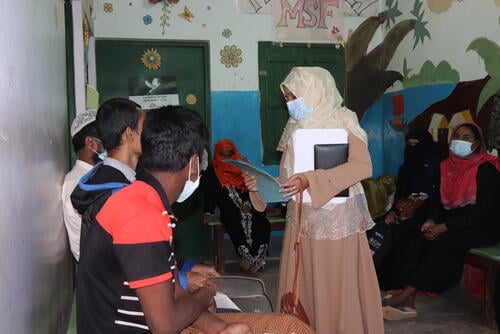
MSF’s Mental Health Supervisor is checking on patients who are visiting our Kutupalong facility to have mental health support.
Rohingya refugee crisis

Relocations, reduced services leave Rohingya communities at breaking point in Bangladesh

Unable to work, Rohingya refugees in Cox's Bazar, Bangladesh, rely on aid for survival; but services have been scaled back due to COVID-19, and with many being relocated, leaving people anxious and stressed. Project Update - 21 Jan 2021
 
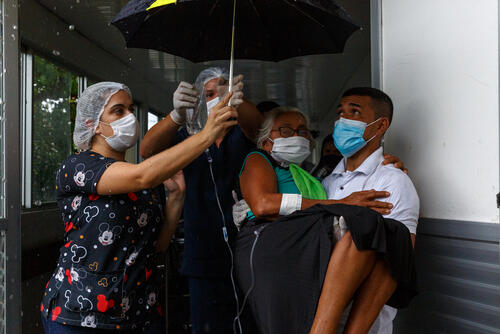
Patient is carried to the ambulance shortly after the start of a heavy rain in Tefé. She will go to the airport and from there to the state capital, Manaus, where there are more resources for her treatment of COVID-19. 

The transfer of this patient took place in late December 2020, before the health system in Manaus collapsed for the second time and referrals to the state capital were interrupted.
Brazil

COVID-19 leaves Amazonas health system saturated, overloaded and struggling

Coronavirus COVID-19 has caused the health system in Manaus, the capital of Brazil's Amazonas state, to collapse, forcing city hospitals to stop receiving serious patients from other towns. Project Update - 21 Jan 2021
 
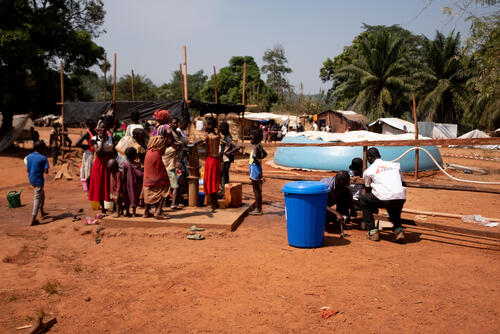
MSF installed one 30- and two 15-cubic meter water tankers to provide water purification in Ndu, northern DRC, where thousands of people from the Central African Republic sought refuge due to a non-state armed group attack on Bangassou on January 3rd. According to some estimates, over 12,000 refugees arrived in Ndu in just a few days.
Central African Republic

MSF teams ramp up support as violence escalates

As the security and humanitarian situation in Central African Republic rapidly deteriorates, people have reduced access to essential medical services. Project Update - 14 Jan 2021
 
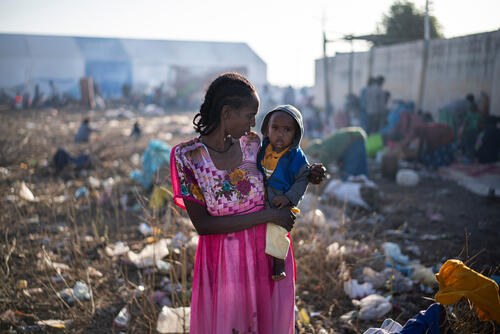
Hamdayet crossing point, Sudan, early morning. November 2020. This crowd walked miles from neighbooring Ethiopia to reach Sudan  to escape the conflict in their region. Once registered people will be able to get a ticket to move to further south camp, in Um Rakuba.
Ethiopia Tigray crisis

Providing assistance to people in Ethiopia and Sudan in wake of Tigray violence

Following the start of violence in the Tigray region of Ethiopia in November 2020, MSF teams are providing assistance to both internally displaced in Ethiopia, and those who've fled to neighbouring Sudan. Project Update - 12 Jan 2021
Four mothers posing in a corridor of the Hospital in Bili. All four of them are staying in the hospital with their child, that's suffering from a severe case of malaria. Since the beginning of the project in 2016, the pediatric ward already treated more than 4.000 cases of complicated/severe form of malaria.
Médecins Sans Frontières (MSF)

Independent medical humanitarian assistance

We provide medical assistance to people affected by conflict, epidemics, disasters, or exclusion from healthcare. Our teams are made up of tens of thousands of health professionals, logistic and administrative staff - most of them hired locally. Our actions are guided by medical ethics and the principles of independence and impartiality. We are a non-profit, self-governed, member-based organisation.

Learn more