


Ebola disease in DRC: find out how we're responding
Learn more
8004 Results
 
msf-placeholder
South Sudan

Refugee testimonies

"My child is suffering from malaria, and has been in the hospital now for four days. She is one month old. We’ve only been one week in Yida. We came from the Nuba Mountains. My husband and I fled the war with our ten children. There was no food, no medicine, nowhere to take my sick baby to receive care. We had been hiding in the bush since last June. We spent two days walking to get here, and my baby got sick in Yida. I want to go back eventually, but we’ve been waiting for peace, and it hasn’t come. " Voices from the Field - 15 Jun 2012
 
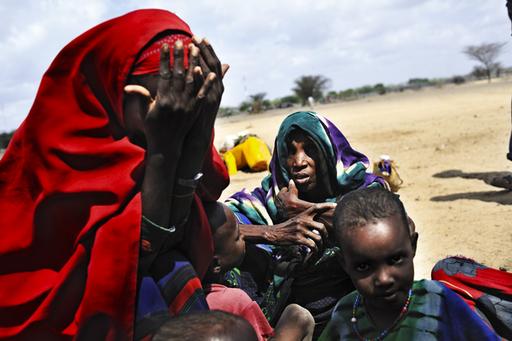
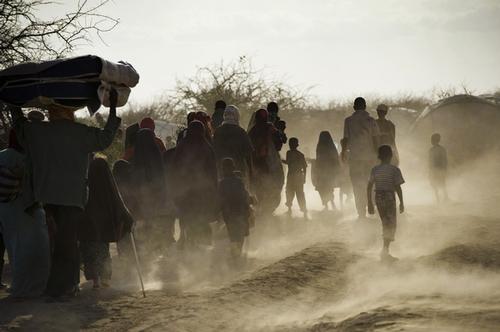
Roughly 350 Somali refugees arrive to the border of Kenyan border town of Liboi, where they are greeted by the International Organization for Migration, about 35 miles from Dadaab camps, August 22, 2011.     Dadaab, with roughly 400,000 refugees, Dadaab is the largest refugee camp in the world. The camp is grossly over capacity, and the refugees experience an ever-shrinking access to essential services such as water, sanitation, food and shelter, also because they have been sharing their rations with the new arrivals. At the current pace of arrival MSF estimates that the camp's population will total 500'000 before the end of 2011, and living conditions are only expected to deteriorate further.
Kenya

Dadaab: Shadows of Lives

It is only a matter of time before the next emergency hits the Dadaab refugee camp, says a briefing paper, Dadaab: Shadows of Lives, released today by Médecins Sans Frontières (MSF) ahead of World Refugee Day. Report - 14 Jun 2012
 
Somali refugees arrive in Ifo 2 camp after being moved by officials from the outskirts of Dagahaley camp.    Dadaab, with roughly 400,000 refugees, Dadaab is the largest refugee camp in the world. The camp is grossly over capacity, and the refugees experience an ever-shrinking access to essential services such as water, sanitation, food and shelter, also because they have been sharing their rations with the new arrivals. At the current pace of arrival MSF estimates that the camp's population will total 500'000 before the end of 2011, and living conditions are only expected to deteriorate further.
Kenya

Dadaab: The camps cannot go on

20 years after their establishment, the Dadaab camps in Kenya’s northeastern province have become a permanent home for the majority of those who have sought shelter there. In a new briefing paper 'Dadaab: Shadows of Lives', released ahead of World Refugee Day, MSF calls for solutions for Dadaab’s half a million Somali refugees. Press Release - 14 Jun 2012
 
msf-placeholder
South Sudan

Dire medical needs in under-prepared refugee camps

Tens of thousands of new refugees crossing from Sudan into South Sudan are finding refugee camps full and unable to provide basic life-sustaining essentials. The situation in Upper Nile and Unity states is rapidly developing into a full-blown crisis as water supplies start to run out and relief is wholly insufficient. For people arriving in an already weakened state, and when shelter, food and water are lacking, medical care is not enough. Press Release - 13 Jun 2012
 
msf-placeholder
South Sudan

First-hand account of the plight of the newly arrived refugees

MSF medical team leader describes the situation and the urgent need for the refugees in South Sudan to be relocated to a better place. Voices from the Field - 12 Jun 2012
 
msf-placeholder
Syria

Treating the wounded, a forgotten priority

MSF calls for the Syrian government and the international community to make treating the wounded a priority. Press Release - 12 Jun 2012
 
msf-placeholder
Myanmar

MSF statement on the situation in Rakhine state

Following escalating violence in Rakhine state, Myanmar, Médecins Sans Frontières (MSF) has temporarily suspended activities and reduced staff. This means the disruption of lifesaving basic healthcare, including the provision of urgent antiretroviral (ARV) treatment to HIV-positive patients. MSF is concerned about the safety of all its patients and staff, and hopes to resume medical activities as soon as possible in order to avoid lives being lost. Statement - 12 Jun 2012
 
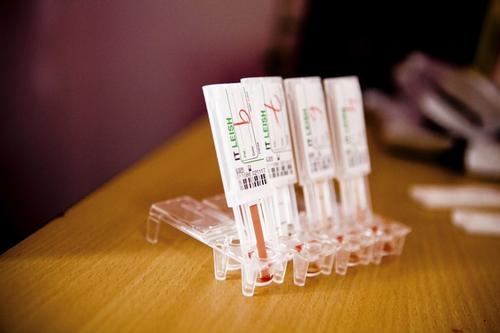
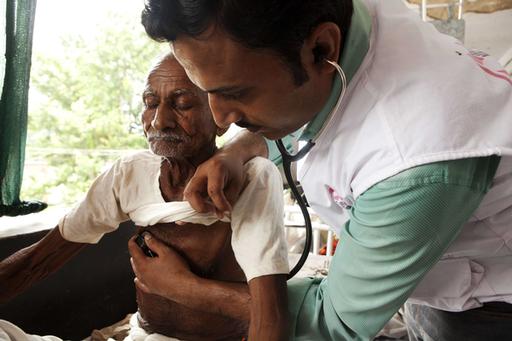
Since July 2007, MSF has been running a kala azar diagnostic and treatment project in Vaishali district, in the centre of the Indian state of Bihar. In the four years, about 8,000 patients have been treated at the Sadar Hospital, and in five MSF-supported health centres. The initial cure rate of kala azar cases is at 98 per cent. Kala azar is a disease endemic to Bihar. Transmitted by the sand fly, the disease mainly affects the spleen and, if left untreated, is fatal for virtually all patients.
Neglected diseases

Fighting Neglect: Finding ways to manage and control visceral leishmaniasis, human African trypanosomiasis and Chagas disease

In order to break the vicious cycle that leaves tropical diseases neglected, existing programmes that diagnose and treat patients need to be expanded and medical research to develop simpler, more effective tools needs to be supported, according to a new report, Fighting Neglect, released today by Médecins Sans Frontières (MSF). Report - 11 Jun 2012
 
Since July 2007, MSF has been running a kala azar diagnostic and treatment project in Vaishali district, in the centre of the Indian state of Bihar. In the four years, about 8,000 patients have been treated at the Sadar Hospital, and in five MSF-supported health centres. The initial cure rate of kala azar cases is at 98 per cent. Kala azar is a disease endemic to Bihar. Transmitted by the sand fly, the disease mainly affects the spleen and, if left untreated, is fatal for virtually all patients.
Neglected diseases

New MSF report highlights how to break cycle of neglect

To break the vicious cycle that leaves tropical diseases neglected, existing programmes that diagnose and treat patients need to be expanded and medical research to develop simpler, more effective tools needs to be supported, according to a new report 'Fighting Neglect' released by MSF. Press Release - 11 Jun 2012
 
Jasiira MSF OPD, unknown fever *** Local Caption *** Since July 2011, nearly 200,000 newly displaced people have arrived in Mogadishu from drought-affected central regions of Somalia. MSF has opened 4 ITFCs in the capital city to treat malnourished children and distribute ready-to-use therapeutic food to the IDPs. Measles vaccination is also undertaken to respond current epidemic outbreak.
Somalia

Steep increase in measles cases

Measles is a major killer in Somalia and it’s easily preventable. Vaccination - with high coverage and proper vaccine management - is critical to saving lives in Somalia. MSF asks all authorities to support emergency vaccination programmes throughout Somalia. Project Update - 8 Jun 2012
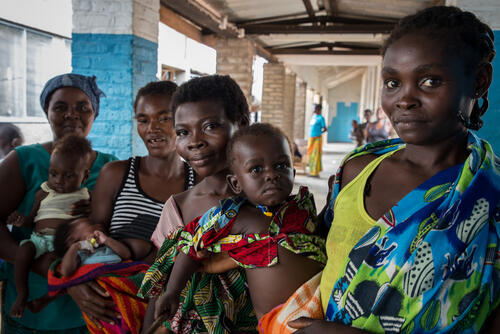
Four mothers posing in a corridor of the Hospital in Bili. All four of them are staying in the hospital with their child, that's suffering from a severe case of malaria. Since the beginning of the project in 2016, the pediatric ward already treated more than 4.000 cases of complicated/severe form of malaria.
Médecins Sans Frontières (MSF)

Independent medical humanitarian assistance

We provide medical assistance to people affected by conflict, epidemics, disasters, or exclusion from healthcare. Our teams are made up of tens of thousands of health professionals, logistic and administrative staff - most of them hired locally. Our actions are guided by medical ethics and the principles of independence and impartiality. We are a non-profit, self-governed, member-based organisation.

Learn more