



Ebola disease in DRC: find out how we're responding
Learn more
8003 Results
 
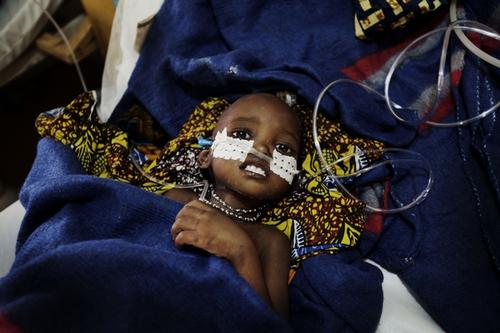
Malnutrition is endemic in Niger one of the world's poorest countries. Each year, hundreds of thousands of children suffer from severe acute malnutrition. This critical situation is aggravated during the hunger gap which usually goes from June to September. In Madaoua region, MSF runs a nutrition project to prevent and treat malnutrition. The organization supports the district hospital, focusing its activities in the pediatric ward and the inpatient stabilization center where malnourished children with complications are treated. In addition, MSF also supports several health centers in the rural area where malnourished children can be treated in ambulatory ways.
Niger

Impending threat of deadly malaria and malnutrition combination

Diseases must be tackled together in order to pre-empt another crisis. Press Release - 24 Apr 2013
 
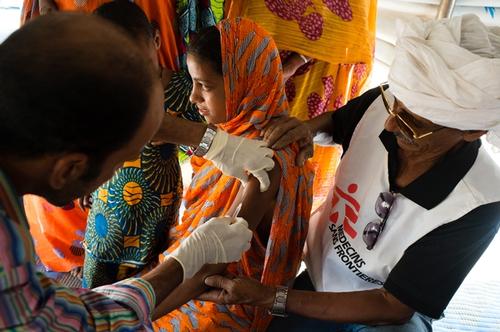
Ben-Dahi of Médecins Sans Frontières (MSF) assiting with the vaccination of recently arrived Malian refugee children at a transit camp in Fassala in southeastern Mauritania on 4 March 2013.

As of January 2012, the Malian crisis has resulted in population movements. Nearly 150,000 refugees now live in refugee camps in Burkina Faso, Mauritania and Niger, where MSF teams are providing maternal, primary and secondary health care. Since the beginning of 2013, MSF has recorded nearly 12,000 consultations and 5,000 vaccinations in these three countries. Mauritania is the country with the largest number of refugees.  Mbera camp nearly 70,000 refugees who have fled for fear of reprisals or lack of access to food since the beginning of the conflict. In February 2013, the border post of Fassala (Mauritania) recorded an average of 300 arrivals per day. They are mostly women and children from Timbuktu, Lere, Goundam Larnab and Nianfuke. These Malian refugees continue to live in precarious conditions with no future prospects.
Project Update

Global vaccines community must cut costs of new vaccines

MSF calls on GAVI and pharmaceutical companies to extend discounts so more children can be reached Press Release - 23 Apr 2013
 
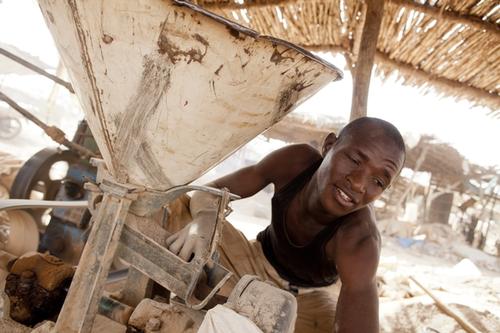
Bagega gold processing site. Hanafi Sami, 25 years old from Bagega village. Hanafi is newly married to his first wife. He has heard about lead poisoning and is always very careful to leave his tools in the compound where it is safer, he does not want any negative effects for any future children.  The stones containing the gold are being put through a grinder after they are crushed, what is left is sand. This man is sifting out any small stones that might still be there.
Nigeria

MSF starts treating lead poisoned children in Bagega

MSF has finally been able to start medical treatment for children suffering from lead poisoning in the village of Bagega. Press Release - 23 Apr 2013
 
msf-placeholder
Haiti

Miami Herald: Aid shortfalls jeopardize Haiti’s humanitarian programs

MSF's Oliver Schulz explains how a lack of aid is leaving Haitians vulnerable to cholera and other catastrophes. Project Update - 23 Apr 2013
 
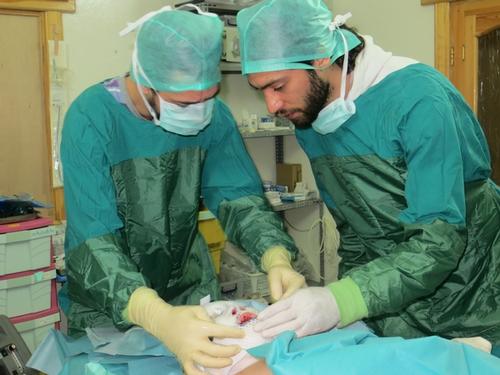
 *** Local Caption *** A large number of burn patients are treated in one MSF hospital in North Syria. Bunrs are often caused by heating systems used by the population in winter time. Dressings in the OT,skin grafts in some cases, and physiotherapy care are provided to these patients.
Syria

Treating major burn patients

A large number of burn patients are treated in one MSF hospital in North Syria. Burns are often caused by heating systems used by the population in winter time. Project Update - 22 Apr 2013
 
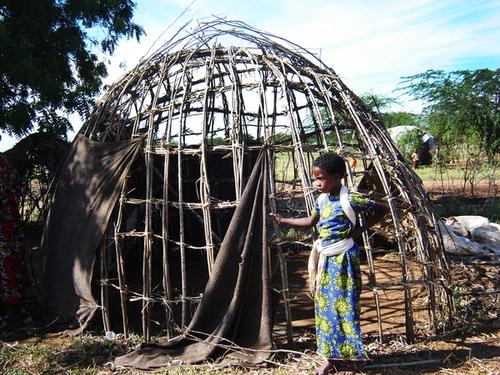
A child contemplating the future outside a makeshift shelter that her parents are trying to put up after being displaced from their home in Chewele location.
Kenya

Help needed for people displaced by flooding

MSF calls for more concerted efforts in assisting populations displaced by floods in Tana River Delta region, Kenya Press Release - 19 Apr 2013
 
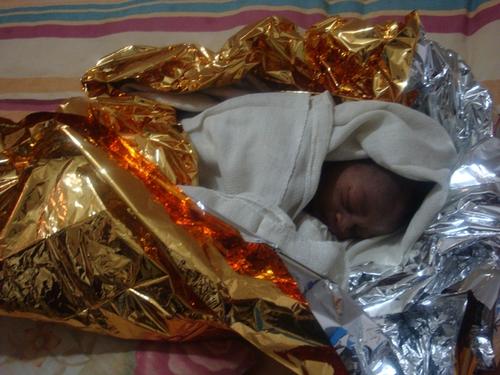
After two days of prolonged labour, Sameera delivered a healthy baby boy.
Sudan

Maternity care in rural North Darfur

MSF's maternity care programmes in North Darfur.
Project Update - 16 Apr 2013
 
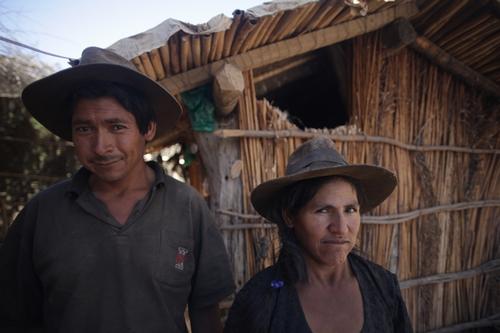
Elena and Andrés live in Tipa Pampa, a community located in the mountains in Aiquile. Their house had vinchucas (kissing bugs)and it was fumigated by MSF last year. The last time it was fumigated was 10 years ago.
Project Update

We are in a historic momentum to transform the lives of millions of people

Op-ed by Dr Unni Karunakara, International President of MSF Voices from the Field - 16 Apr 2013
 
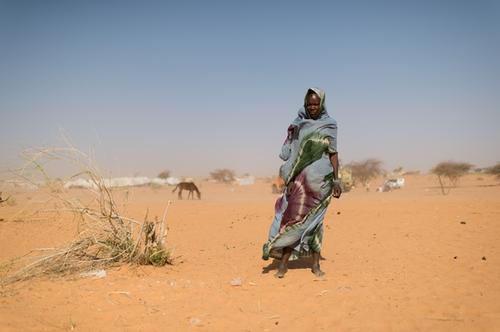
A Malian refugee who arrived in a convoy from the Fassala transit camp, near the border with Mali, to the main Mbera refugee camp on 6 March 2013.

In March 2012, following the influx of thousands of refugees, MSF has begun providing medical and nutritional activities for refugees and local populations in the district Bassikounou in Mauritania. MSF offers free primary health care, secondary and antenatal care. By installing two health centers in  Mbera camp Mbera andsupporting health posts in Fassala and Mberavillage, medical teams have provided more than 85,000 consultations, 200 deliveries and supported about 1,000 severely malnourished children. Knowing that the nearest hospital is located about more than 200 km, MSF has installed an operational theater in Bassikounou village to allow prompt medical care and stabilization of severe cases before referral to Nema hospital . Protecting children from measles is also a health priority in the camps where MSF teams involved. Indeed, a measles outbreak can be devastating for children who live in crowded camps and often suffer from chronic malnutrition. That is why, in support of health authorities, MSF has vaccinated nearly 10,000 children since March 2012.
Mauritania

Stranded in the desert

MSF report calls for urgent aid effort for 70,000 Malians
Report - 13 Apr 2013
 
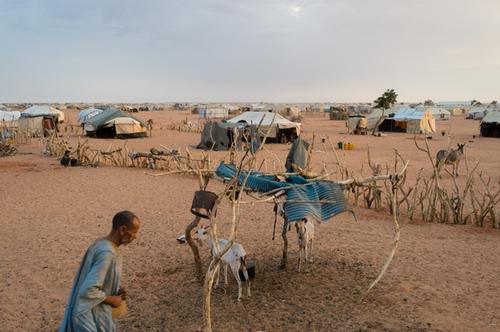
The Mbera refugee camp for Malian refugees on 2 March 2013.

As of January 2012, the Malian crisis has resulted in population movements. Nearly 150,000 refugees now live in refugee camps in Burkina Faso, Mauritania and Niger, where MSF teams are providing maternal, primary and secondary health care. Since the beginning of 2013, MSF has recorded nearly 12,000 consultations and 5,000 vaccinations in these three countries. Mauritania is the country with the largest number of refugees.  Mbera camp nearly 70,000 refugees who have fled for fear of reprisals or lack of access to food since the beginning of the conflict. In February 2013, the border post of Fassala (Mauritania) recorded an average of 300 arrivals per day. They are mostly women and children from Timbuktu, Lere, Goundam Larnab and Nianfuke. These Malian refugees continue to live in precarious conditions with no future prospects.
Mauritania

Refugees stranded in desert

Some 70,000 refugees from Mali are living in difficult conditions in the middle of the Mauritanian desert, with ethnic tensions in northern Mali quashing any hopes of a swift return home. A report released today by MSF entitled 'Stranded in the desert' calls on aid organisations to urgently renew efforts to meet the refugees’ basic needs. Press Release - 13 Apr 2013
Four mothers posing in a corridor of the Hospital in Bili. All four of them are staying in the hospital with their child, that's suffering from a severe case of malaria. Since the beginning of the project in 2016, the pediatric ward already treated more than 4.000 cases of complicated/severe form of malaria.
Médecins Sans Frontières (MSF)

Independent medical humanitarian assistance

We provide medical assistance to people affected by conflict, epidemics, disasters, or exclusion from healthcare. Our teams are made up of tens of thousands of health professionals, logistic and administrative staff - most of them hired locally. Our actions are guided by medical ethics and the principles of independence and impartiality. We are a non-profit, self-governed, member-based organisation.

Learn more