



Ebola disease in DRC: find out how we're responding
Learn more
8003 Results
 
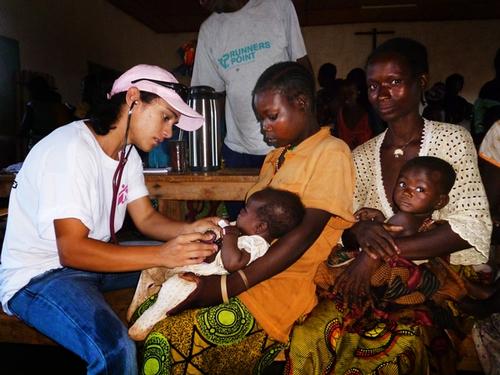
MSF maintains its medical activities all around CAR, those already set up before the March coup d’Etat and those recently established to respond to the acute needs of the population affected by displacement, high levels of malaria and the collapse and absence of the public health system in the country. MSF is operating eight regular projects in CAR, while it has recently started emergency operations in three locations more.  In the pictures, patients attended in Bouca (325 km north of Bangui).
Central African Republic

MSF denounces targeting of civilians in new wave of violence

Teams treat 26 patients in Bouca suffering machete and gunshot wounds
Statement - 11 Sep 2013
 
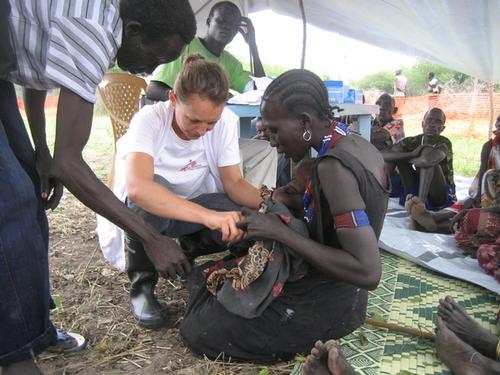
Belgian nurse Caroline Scholtes examines a baby during an MSF mobile clinic in Dorain, Jonglei State, South Sudan (2013)
South Sudan

The clock is ticking for 80,000 people cut off from humanitarian aid

Voices from the Field - 9 Sep 2013
 
msf-placeholder
Syria

MSF surgeon killed in Syria

A Syrian surgeon working for MSF, Dr Muhammad Abyad, has been killed in northern Syria. His body was found on 3 September in Aleppo province. Press Release - 5 Sep 2013
 
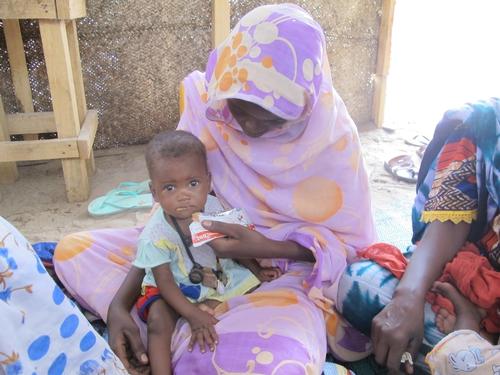
Since July 2013, MSF medical team provided care for over 30.000 people infected with malaria in Massakory hospital.
Chad

Alarming increase in malaria, MSF launches response

Médecins Sans Frontières (MSF) has launched an emergency intervention in southeast Chad to respond to an alarming escalation in malaria cases. Voices from the Field - 3 Sep 2013
 
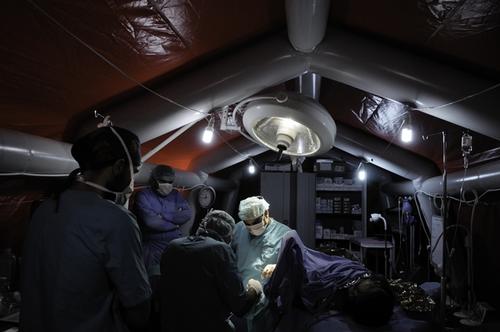
An inflatable operating theatre is erected inside this MSF makeshift hospital in Syria (a converted chicken farm) as it is an efficient way to maintain a sterile environment. Surgeon Steve Rubin operating.
Syria

Disclaimer on Syria

Statement - 2 Sep 2013
 
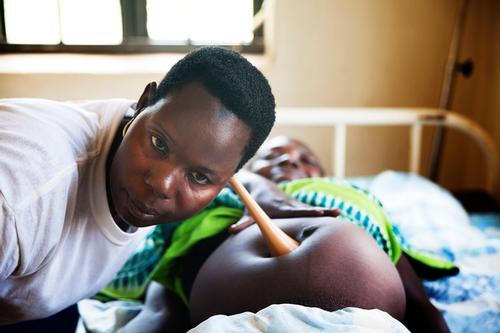
An antenatal consultation in MSF supported Yambio hospital (South Sudan).
South Sudan

MSF and traditional birth attendants save lives

Project Update - 2 Sep 2013
 
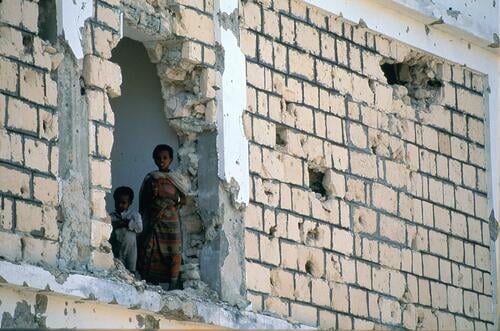
enfants regardant dehors   travers un mur d truit par un obus.
Children looking through a wall destructed by shrapnels
MSF Speaking Out

Somalia 1991-1993: Civil War, Famine Alert and a UN “Military-Humanitarian” Intervention

https://www.msf.org/sites/default/files/2026-04/VA_Somalia.pdf - 1 Sep 2013
 
enfants regardant dehors   travers un mur d truit par un obus.
Children looking through a wall destructed by shrapnels
MSF Speaking Out

Somalia 1991-1993: Civil War, Famine Alert and a UN “Military-Humanitarian” Intervention

The ‘Somalia 1991-1993: Civil War, Famine Alert and a UN “Military-Humanitarian” Intervention‘ case study describes the constraints, questions and dilemmas faced by MSF during the first year of its intervention to assist the populations of Somalia, after the civil war started in 1991. Speaking Out Case Studies - 1 Sep 2013
 
MSF staff prepare for the rush of patients at a mobile clinic for IPDs in Kabul.
Afghanistan

Preventative mobile clinics in Kabul

MSF conducts preventive mobile clinics in ten locations in the suburban areas of Kabul, in order to reach out to isolated communities. Project Update - 30 Aug 2013
 
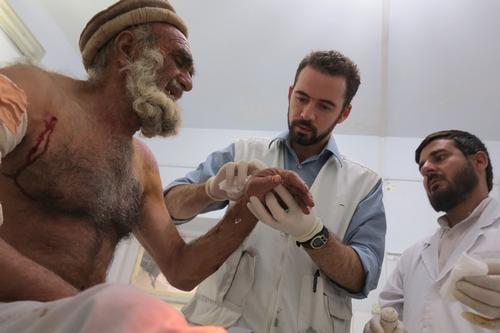
Mohammad Zaher, 70, was sitting in front of his shop in central Lashkar Gah on 8th October 2012, when a bomb exploded reportedly killing two and injuring at least 15. His suffers from various wounds and his still suffering from shock. The MSF medical team in the emergency room of Lashkar Gah’s Boost hospital is examining him.
Afghanistan

"Conflict still rages and humanitarian needs will only grow"

Interview with Renzo Fricke, MSF’s operational coordinator for Afghanistan Voices from the Field - 30 Aug 2013
Four mothers posing in a corridor of the Hospital in Bili. All four of them are staying in the hospital with their child, that's suffering from a severe case of malaria. Since the beginning of the project in 2016, the pediatric ward already treated more than 4.000 cases of complicated/severe form of malaria.
Médecins Sans Frontières (MSF)

Independent medical humanitarian assistance

We provide medical assistance to people affected by conflict, epidemics, disasters, or exclusion from healthcare. Our teams are made up of tens of thousands of health professionals, logistic and administrative staff - most of them hired locally. Our actions are guided by medical ethics and the principles of independence and impartiality. We are a non-profit, self-governed, member-based organisation.

Learn more