



Ebola disease in DRC: find out how we're responding
Learn more
8003 Results
 
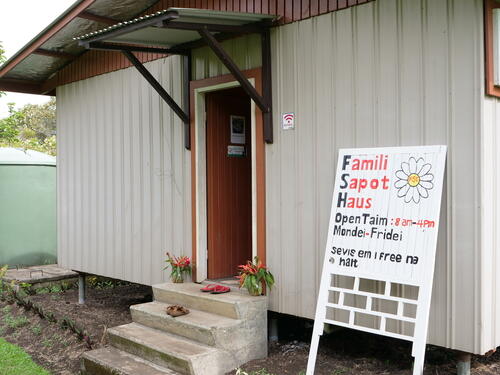
A family Support Centre at Minj Hospital, Jiwaka Province, Papua New Guinea.
Papua New Guinea

Building a support system for victims and survivors of violence in Jiwaka

Women in Papua New Guinea's Highlands region face sexual violence, domestic violence, and sorcery accusation-related violence. MSF is strengthening access to care for victims and survivors. Project Update - 24 Apr 2026
 
The MSF hospital in Agok is the only facility providing secondary care in the entire Abyei region of South Sudan. This structure deals with emergencies, surgeries, treatments of HIV, tuberculosis, chronic diseases as well as neglected diseases, such as snake bites, a real scourge in the region. In 2019, in order to improve the quality of care, a radiology room was set up and the pharmacy was extended. A lack of specialized structures in the surrounding states forces some patients to travel very long distances to get to Agok hospital, some have to walk for up to 10 hours. This phenomenon illustrates the need for a comprehensive hospital in a country where health care is almost non-existent
Iran

Iran: Despite ceasefire, access to essential medical care remains fragile

MSF teams are working in South Tehran, Mashhad, and Kerman province in Iran, responding to people's growing medical needs. Project Update - 23 Apr 2026
 
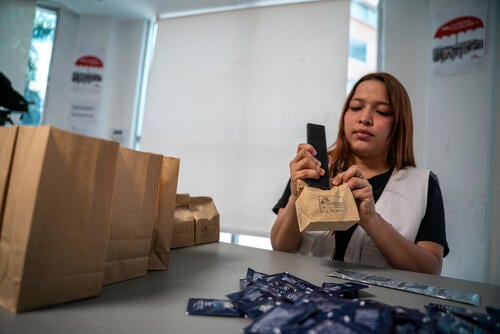
MSF health promoter Kenia Donaire prepares sexual and reproductive health kits to be distributed during the team’s weekly outreach activities in marginalized communities, including LGBTQI+ people and sex workers.
Honduras

A safe space for LGBTQI+ patients in San Pedro Sula

In San Pedro Sula, Honduras, MSF teams provide medical and mental health care tailored to the needs of LGBTQI+ people and people who engage in sex work. Project Update - 22 Apr 2026
 
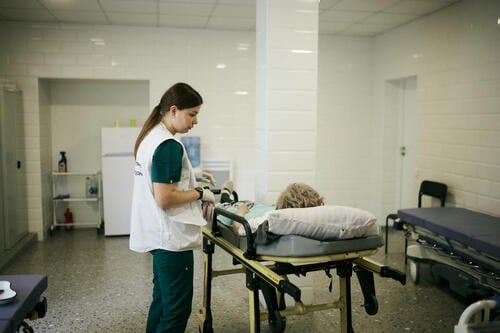
Hanna Dudnyk, MSF emergency doctor, examines, Svitlana, 67, who was brought to the emergency room by ambulance with complaints of loss of consciousness, and severe pain. 

"Svitlana was already treated at this hospital with the same symptoms, but she needs more extensive diagnostics than this hospital can provide. We can see that the patient has lost a significant amount of weight in four months, which is alarming. But, of course, the hospital will provide all the necessary medical care here and now to stabilise the woman's condition," said Hanna Dudnyk.   

This is far from an isolated case in Mykolaiv region, in the south of Ukraine. People are admitted to hospital with complex conditions, stabilised, and recommended for further examination, but they are often unable to travel to hospital in nearest city like Mykolaiv due to financial difficulties, limited mobility, and fear of leaving their homes due to the possibility of shelling.
Ukraine

When chronic illness turns critical in Ukraine

In Ukraine, war-related insecurity and extreme stress are causing people to delay seeking medical care, leading them to develop preventable complications. Project Update - 21 Apr 2026
 
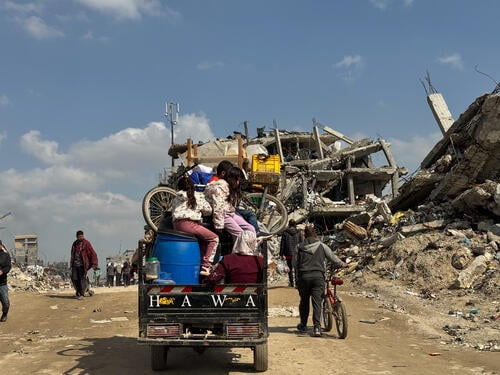
Displaced Palestinian family riding a tuktuk; coming back to settle in Beit Lahia city, north of Gaza strip.
Gaza-Israel war

Gaza, inside the war

This interactive feature compiles information and testimonies collected by Médecins Sans Frontières teams between 7 October 2023 and 1 January 2026, during the genocidal war waged by the Israeli army against the people of Gaza following the deadly attacks carried out by Hamas in Israel. MSF - 20 Apr 2026
 
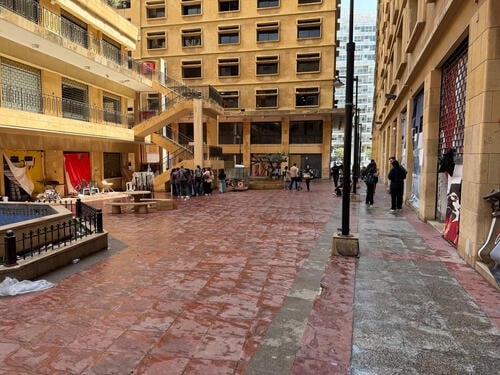
Following the announcement of a temporary ceasefire, the humanitarian and medical needs of hundreds of thousands of people in Lebanon remain overwhelming. In southern Beirut, people are moving back and forth between their shelters and homes, collecting what they can and preparing to return to the sites of displacement if the situation worsens. People, particularly in southern Beirut and south Lebanon, have lost their homes, livelihoods, and loved ones, and over a million have been forcibly displaced due to Israel’s continuous attacks.
While MSF teams across Lebanon are adapting their response and assessing needs as people continue to move across the country, we continue to call for an urgent scale-up of humanitarian aid and unhindered access of aid to people in need across the country.
Lebanon

Lebanon: Humanitarian scale-up urgently needed after almost two months of devastation

MSF teams in Lebanon are adapting our response across the country after a temporary ceasefire was announced between Israel and Lebanon. Statement - 17 Apr 2026
 
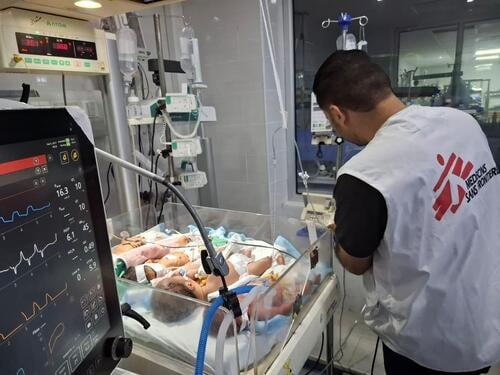
Multiple babies share one incubator in the neonatal intensive care unit of Al Helou hospital north Gaza because of a lack of incubators. Having babies sharing one incubator highly increases the chances of infection. The immune system of newborns, especially premature ones, is not yet developed.
Gaza-Israel war

Addressing frequently asked questions and allegations about MSF’s work in Gaza

MSF provides answers to frequently asked questions (FAQs) about MSF work in Gaza, Palestine, and addresses allegations. Project Update - 17 Apr 2026
 
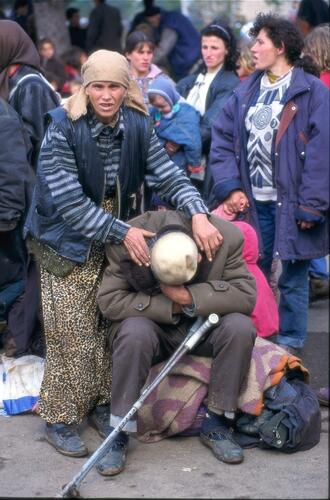
Refugees from Kosovo in Albania, April-June 1999.
MSF Speaking Out

Violences contre les Kosovars albanais, intervention de l'OTAN 1998-1999

https://www.msf.org/sites/default/files/2026-04/VA_Violence_against_Kosovar_Albanians_NATOs_Intervention%201998-1999.pdf - 17 Apr 2026
 
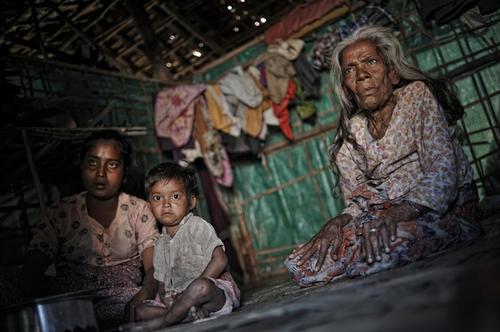
A family in their tent in a refugee camp on the outskirts of Sittwe, February 2, 2013. photo by Kaung Htet
MSF Speaking Out

MSF et les Rohingya 1992 - 2014

https://www.msf.org/sites/default/files/2026-04/VF_MSF%20et%20les%20Rohingya_1992_2014.pdf - 17 Apr 2026
 
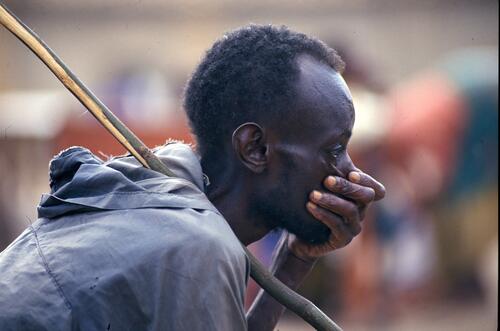
A survivor of Gitarama in Ruhango, Rwanda, July 1994
MSF Speaking Out

Genocide of Rwandan Tutsis 1994

https://www.msf.org/sites/default/files/2026-04/VA_Genocide%20of%20Rwandan%20Tutsi_1994.pdf - 17 Apr 2026
Four mothers posing in a corridor of the Hospital in Bili. All four of them are staying in the hospital with their child, that's suffering from a severe case of malaria. Since the beginning of the project in 2016, the pediatric ward already treated more than 4.000 cases of complicated/severe form of malaria.
Médecins Sans Frontières (MSF)

Independent medical humanitarian assistance

We provide medical assistance to people affected by conflict, epidemics, disasters, or exclusion from healthcare. Our teams are made up of tens of thousands of health professionals, logistic and administrative staff - most of them hired locally. Our actions are guided by medical ethics and the principles of independence and impartiality. We are a non-profit, self-governed, member-based organisation.

Learn more