


Ebola disease in DRC: find out how we're responding
Learn more
8015 Results
 
With more than 20,000 cases and 300 deaths officially reported in 2015, the measles outbreak in Katanga, Democratic Republic of Congo (DRC), is the largest since 2011. Since MSF raised the alarm last June, the situation has deteriorated further and sufficient resources are still lacking. MSF teams are currently deployed in more than 10 health zones in Katanga, supporting local health authorities. During the last three months, MSF treated more than 20,000 measles-infected patients in 5 hospitals and approximately 100 health posts, and also vaccinated above 300,000 children.
Democratic Republic of Congo

Katanga measles epidemic keeps worsening

In June, MSF raised the alarm about an measles epidemic raging in Katanga Province, DRC. The situation has now deteriorated further and sufficient resources are lacking. Press Release - 1 Sep 2015
 
msf-placeholder
Tunisia

Fishermen receive training in saving lives at sea

“Tragedies at sea will continue to regularly occur as people are desperate to flee to Europe” says Wiet Vandormael, MSF’s training coordinator “Search and rescue helps save lives but is not a long-term solution. The European Union needs to create safe and legal ways for people to reach Europe so that they don’t have to risk their lives during the journey.” Project Update - 1 Sep 2015
 
msf-placeholder
Tunisia

Testimonies from fishermen receiving training in saving lives at sea

In order to increase the fishermen’s capacity to carry out rescues at sea, Médecins Sans Frontières (MSF) has carried out a six-day training with 116 local fishermen in the town of Zarzis. Voices from the Field - 31 Aug 2015
 
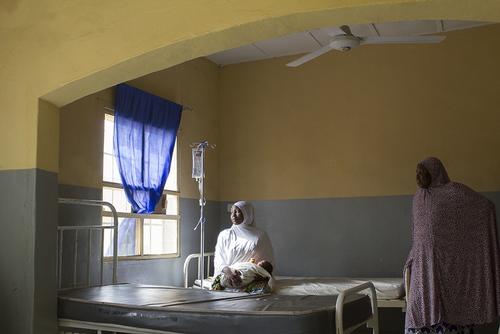
Hauwa Mohammed with her baby and mother at Maimusari maternityHospital.
Nigeria

Displaced by conflict in Nigeria

Since May 2013, a violent insurgency by Boko Haram has led to widespread displacement and an escalating humanitarian crisis in the Lake Chad region. According to UNHCR, nearly 1.4 million people have been internally displaced in northeast Nigeria alone, and approximately 170,000 people have fled to neighbouring Cameroon (56,000), Chad (14,000), and Niger (100,000). At least 1,300 people have died due to the violence so far this year. Photo Story - 27 Aug 2015
 
msf-placeholder
Chad

The fear that follows them. Providing mental healthcare for refugees

“Through our sessions, MSF psychologists listen and try to normalise the reactions of the refugees,” explains Aurelia Morabito, a psychologist who has been working for MSF in Lake Chad for the last two months. “We know that we cannot make the suffering go away, but we can help people to deal better with their unbearable reactions.” From the beginning of its response to this crisis in Chad in March this year, MSF saw an immediate need to incorporate psychological care into its medical activities. Project Update - 27 Aug 2015
 
A woman refugee washes in the sea as day breaks in the early morning on the island of Kos, Greece. Refugees, mainly from Syria have been arribving in Kos having made the treacherous crossing from Turkey by boat.
Refugees, IDPs and people on the move

Refugees in Kos stuck in appalling conditions

Between January and July this year, 18,600 refugees arrived on the Greek island Kos by boat from Turkey. The majority are fleeing war and violence in Syria, but many also come from Afghanistan, Iraq, Iran and Pakistan. Project Update - 26 Aug 2015
 
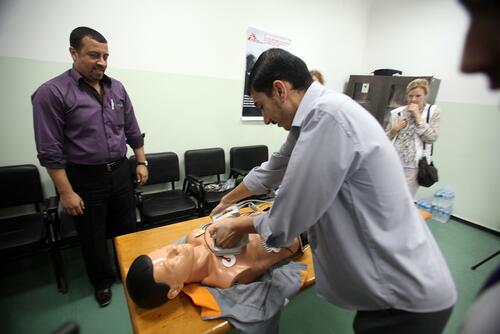
Intensive Care training, Al Shifa hospital, Gaza. The objective of the "Intensive Care" project is to support and train Gazaoui medical staff to treat patients in intensive care situations. *** Local Caption *** The blockade, set up when Hamas came to power in Gaza in June 2007, imposes tight restrictions on people’s movements and access to goods. In addition to its economic impact, with the rise in unemployment and poverty, the blockade also affects the health sector.

. In January 2011, following a series of assessments implemented in partnership with the Ministry of Health, MSF decided to set up an intensive care programme with several facets.
Although the medical system in Gaza is functional, the support and training that medical staff need to treat patients in intensive care situations has now become an issue that MSF wishes to tackle.


In addition to the training courses for Gazan doctors offered at the Al Shifa hospital, MSF will be sending specialist medical equipment technicians to the Nasser de Khan Younis hospital in southern Gaza. They will provide the hospital with technical support so that it can optimise its use of intensive care equipment. An MSF nurse has been giving staff at the Nasser hospital intensive care training since March 2013, using a bedside teaching approach. MSF also plans to develop its intensive care support programme by offering physiotherapy training in the near future.
Palestine

Delivering training to healthcare workers stuck in Gaza

“The nurses were really enthusiastic, they were very grateful to have the opportunity to develop their intensive care skills," says Rochelle DeLacey, an MSF intensive care nurse working in Gaza." Their only other option really was to Google ‘intensive care’ because they don’t have any other access to training.” Voices from the Field - 26 Aug 2015
 
msf-placeholder
South Sudan

Two MSF aid workers killed as fighting continues in Unity state

"The situation is desperate. Ongoing attacks, killings and sexual violence against civilians by any armed actor in Unity state must stop,” says Tara Newell, MSF's Emergency Manager. “People displaced from their homes and villages should be able to move safely to seek assistance, wherever it is being provided.” Press Release - 25 Aug 2015
 
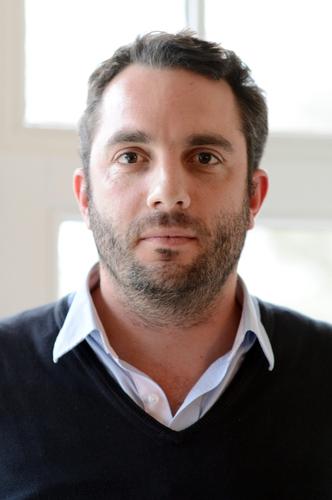
Bruno Duchenne Belgian Head of Mission Burundi speaks French and English
Burundi

“We treat anyone who is injured, whatever their politics.”

"Wounded patients often fear for their safety in medical facilities, so it is essential to create a place of sanctuary for them, where there is no discrimination," says Bruno Duchenne, MSF Head of Mission in Burundi. "We treat anyone who is injured, whatever their politics." Voices from the Field - 25 Aug 2015
 
msf-placeholder
Syria

MSF treats patients with symptoms of exposure to chemical agents

"The patients’ clinical symptoms, the way these symptoms changed over time, and the patients’ testimony about the circumstances of the poisoning all point to exposure to a chemical agent,” Pablo Marco, MSF’s programme manager in Syria. Press Release - 25 Aug 2015
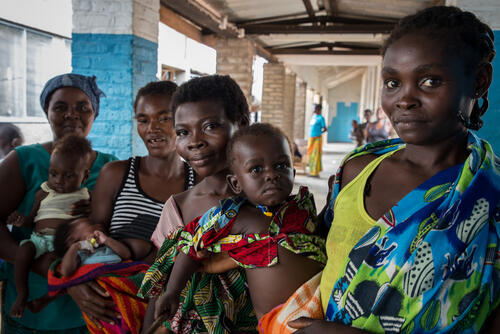
Four mothers posing in a corridor of the Hospital in Bili. All four of them are staying in the hospital with their child, that's suffering from a severe case of malaria. Since the beginning of the project in 2016, the pediatric ward already treated more than 4.000 cases of complicated/severe form of malaria.
Médecins Sans Frontières (MSF)

Independent medical humanitarian assistance

We provide medical assistance to people affected by conflict, epidemics, disasters, or exclusion from healthcare. Our teams are made up of tens of thousands of health professionals, logistic and administrative staff - most of them hired locally. Our actions are guided by medical ethics and the principles of independence and impartiality. We are a non-profit, self-governed, member-based organisation.

Learn more