



Ebola disease in DRC: find out how we're responding
Learn more
8007 Results
 
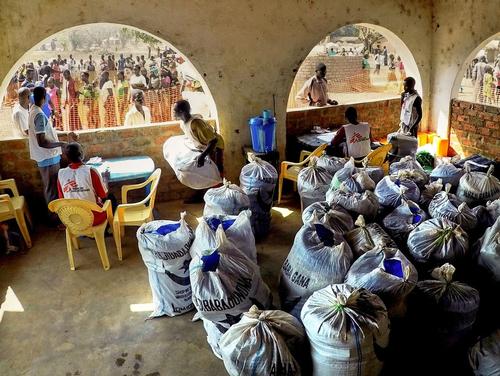
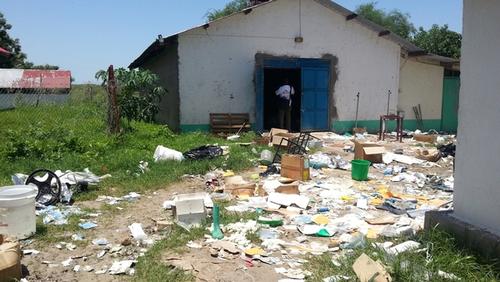
NFI distribution to 450 families who lost their belongings in a fire in Batangafo IDP camp
Central African Republic

MSF distributes relief item kits to fire-displaced families in Batangafo

Project Update - 25 Feb 2016
 
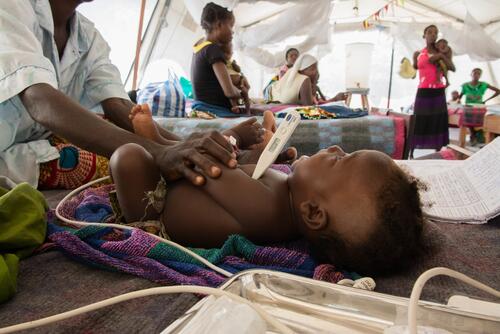
At Manono General Hospital, MSF has set up extra tents to increase pediatric care capabilities (fifty additional beds have been made available for intensive care and fifty for the nutritional therapeutic unit). 1424 patients have been treated in the pediatric ward between January 19 and February 8, 2016.

An intensive nutritional therapeutic unit takes care of malnourished children with complications. More than a hundred children have been admitted in this unit since the beginning of operations.
Democratic Republic of Congo

Children who survived measles are now suffering from malnutrition and malaria

"In a region where supplies to treat severe acute malnutrition are constantly out of stock, leaving after the measles epidemic amounted to abandoning the malnourished children to their fate, especially those who had survived measles," says Narcisse Wega, an MSF emergency coordinator. Project Update - 24 Feb 2016
 
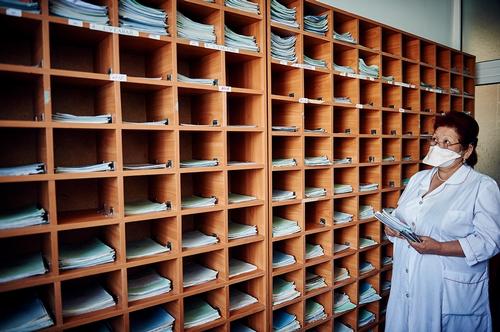
TB-cabinets are  important for an effective walk-in treatment. Here ambulatory treatment, psychosocial counselling for patients and their families, and social packages (nutritional support, hygiene kits and transport money) are provided to help patients adhere to treatment.
Ashyrkan Turdusheva (chief-nurse) storing patient data.
Project Update

Developing countries hit with high price for important new tuberculosis drug

More than two years after drug approved, only 180 people globally have received it
Press Release - 24 Feb 2016
 
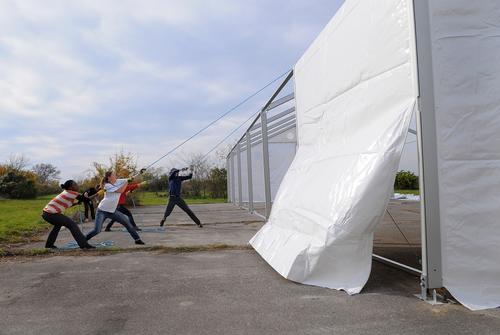
MSF has a medical team which works in day and night shifts to provide medical care to the people. To protect people from freezing winter temperatures MSF is setting up large shelters. Which will temporarily house to up to 150 people each.
Mediterranean migration

EU Migration Crisis Update - February 2016

Project Update - 24 Feb 2016
 
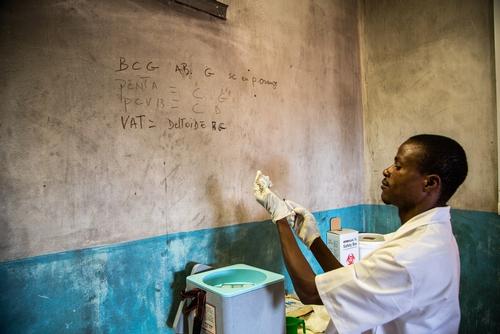
MSF also supports the CAR’s National Program, which is supposed to vaccinate all children following a predefined timetable. Unfortunately difficulties of access, the failures of the health system and the recent upsurge in violence have long interrupted the program.
Vaccination

High vaccine prices hamper immunisation efforts in Africa, but are missing from agenda of key vaccination conference

"If vaccine prices continue to spiral out of control, we will continue to see countries in Africa and around the world faced with difficult decisions about which deadly diseases they can and can’t afford to protect their children against," says Dr Myriam Henkens, International Medical Coordinator at MSF. "Ministers at this conference literally can’t afford to waste this opportunity to again speak out against high prices and push for change." Press Release - 24 Feb 2016
 
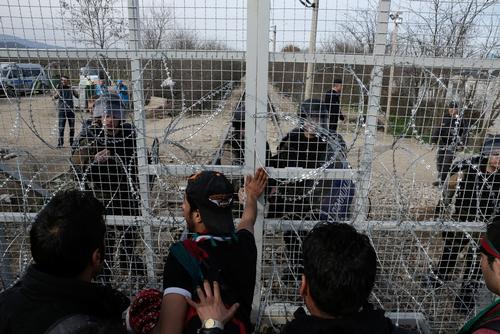
Afghans at the fence of the crowded Greek - Macedonian (FYROM) border during a protest. The FYROM authorities have closed the border to Afghan refugees.
Greece

Thousands stranded as new arbitrary border restrictions expose refugees to violence

Thousands of men, women and children are stranded between Greece and the Balkans after the sudden imposition of new border restrictions for Afghan refugees on the Western Balkans route this week. Refugees are being provided with no information, little-to-no humanitarian assistance and are at risk of violence and abuse. Crisis Update - 23 Feb 2016
 
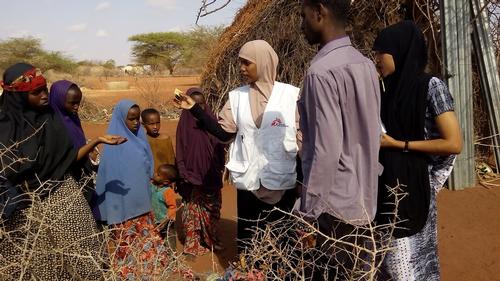
NAIROBI, 22 February 2016: As the rainy season approaches in Wajir in northeastern Kenya, Doctors Without Borders / Médecins Sans Frontières (MSF) is warning that the substandard water and sanitation situation is creating ideal conditions for a future increase in cholera cases. While today patient numbers in the cholera treatment centre in Wajir Hospital are stable, the organization is urging for an immediate improvement in sanitation services to avoid another spike in the outbreak.
Kenya

MSF warns of future cholera spike if poor water and sanitation conditions in Wajir are not urgently addressed

MSF is warning that the substandard water and sanitation situation in Wajir, northeastern Kenya, is creating ideal conditions for a future increase in cholera cases. Project Update - 22 Feb 2016
 
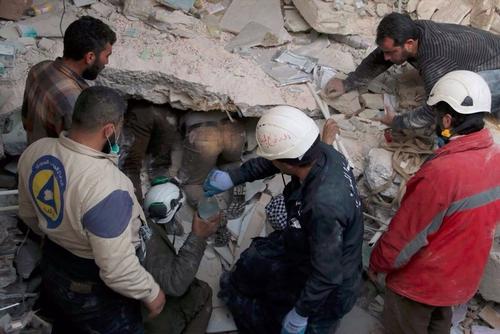
The MSF-supported hospital in Ma’arat Al Numan before it was attacked and destroyed on Monday 15th Feb. At least 25 people were killed, including nine staff members.
The 30-bed hospital  had 54 staff, two operating theatres, an outpatient department and an emergency room. The outpatient department treated around 1500 people a month, the ER carried out an average of 1,100 consultations a month, and around 140 operations a month, mainly orthopaedic and general surgery, were carried out in the operating theatres.

MSF has been supporting this hospital since September 2015 and covered all the needs of the facility including provision of medical supplies and running costs.
Syria

Our bombs are smarter than yours

"All four permanent members of the UN Security Council currently participating in the conflict must respect their own resolutions and assure that their own military. Opinion - 22 Feb 2016
 
MSF operates a 50-bed hospital in Malakal, including a 24-hour emergency room, as well as a separate emergency room inside the PoC site.
South Sudan

73 wounded treated in Malakal PoC after new fighting erupted on Thursday

MSF teams in Malakal worked through the night to deal with new patients, injured after fighting erupted in the Protection of Civilians (PoC) site on Thursday that resulted in 18 people dead. Crisis Update - 19 Feb 2016
Four mothers posing in a corridor of the Hospital in Bili. All four of them are staying in the hospital with their child, that's suffering from a severe case of malaria. Since the beginning of the project in 2016, the pediatric ward already treated more than 4.000 cases of complicated/severe form of malaria.
Médecins Sans Frontières (MSF)

Independent medical humanitarian assistance

We provide medical assistance to people affected by conflict, epidemics, disasters, or exclusion from healthcare. Our teams are made up of tens of thousands of health professionals, logistic and administrative staff - most of them hired locally. Our actions are guided by medical ethics and the principles of independence and impartiality. We are a non-profit, self-governed, member-based organisation.

Learn more