



Ebola disease in DRC: find out how we're responding
Learn more
8008 Results
 
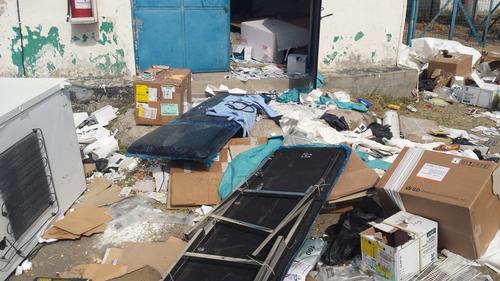
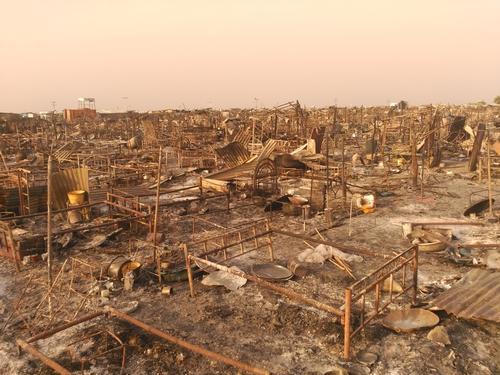
Upon return to the MSF healthcare centre in Pibor, MSF teams encountered a scene of chaos and destruction. Fans were ripped from the ceiling in the patients’ wards, electronic equipment and fuel were taken and all the therapeutic food used for treating malnourished children was stolen. Anything of value that was not bolted to the floor was carried off, even hospital beds for sick women and children. Life-saving medicines, medical equipement and essential records were strewn everywhere while cabinets and shelves were tossed and emptied in a whirlwind of theft and disrespect for medical care.
(Friday, Feb. 22, 2016)
(C) Loic Jaeger /MSF
South Sudan

Looming medical crisis in Pibor following devastating violence and looting of MSF medical compound

“This is a blatant and outrageous attack on life-saving medical care,” said Corinne Benazech, MSF head of mission in South Sudan. “Every single item of value that was not bolted to the floor was stolen, even the hospital beds for treating sick and malnourished children in the pediatric ward." Press Release - 4 Mar 2016
 
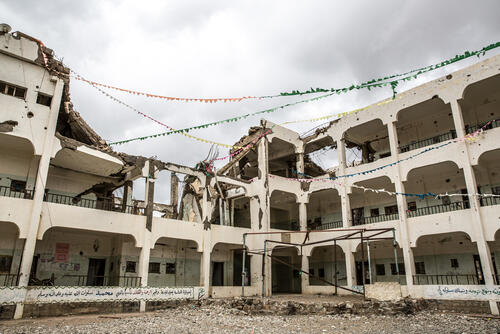
Yemen, gouvernorat de Saada, Haydan, mars 2018. L'école de Haydan, bombardée en 2016 par la coalition internationale dirigée par l'Arabie Saoudite.

Saada governorate in Yemen, Haydan, March 2018.Haydan school, bombarded in 2016 by the international coalition led by South Arabia.
Yemen

Crisis update – 3 March 2016

Crisis Update - 3 Mar 2016
 
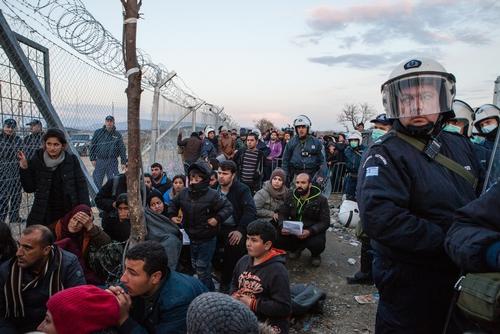
Syrian refugees are blocked at the Greek border with Macedonia (FYROM)
Greece

"Help us to find a safe path"

Piman, who worked as an English teacher before leaving Syria, has been on the road for two months now. “I’m here with my family, sleeping in this small tent, we never thought to find us in this horrible situation." Voices from the Field - 3 Mar 2016
 
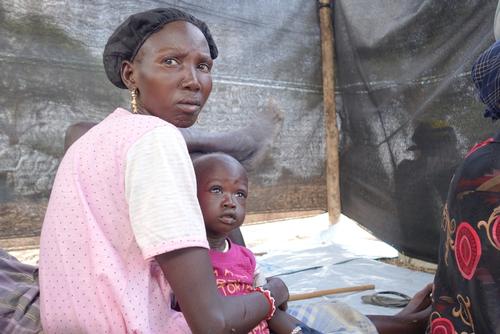
Malakal: MSF teams in Malakal worked through the nights of Wednesday and Thursday to deal with injured patients after fighting erupted in the Protection of Civilians (PoC) site on Wednesday that resulted in 18 people dead, two of them MSF South Sudanese staff members. Seventy-three patients have been admitted so far to the hospital, 46 of them with gunshot wounds. One of MSF’s main concerns is the fate of 43,000 internally displaced people (IDPs) who took shelter in the UNMISS compound. They have been squeezed into a very tight area and access to water and sanitation is of real concern. MSF does not know how long they will be permitted to remain in the facility.
South Sudan

MSF condemns outrageous attack in UN protection site in Malakal

“This brazen violence and terrorization of civilian populations cannot continue. We are heartbroken and devastated by the senseless killing of our two colleagues,” says Raquel Ayora, MSF Director of Operations. “The violence in the Malakal PoC clearly demonstrates that protection of civilians and provision of humanitarian assistance can only be attained with a change of course in the conduct of hostilities by all parties to the conflict." Press Release - 2 Mar 2016
 
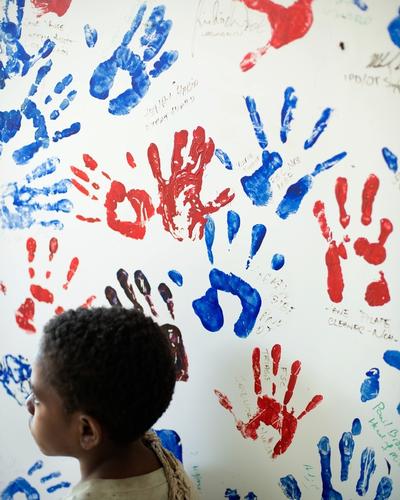
A child at the Family Support Centre in Tari, Hela Province, in the Highlands region of Papua New Guinea. MSF sees an average of 100 survivors of family and sexual violence a month at the Centre. Despite having some of the highest rates of violence against women and girls in the world outside of a conflict zone, in Papua New Guinea there are only 6 safe houses in the country, five of them are in the capital, Port Moresby and there are none in Tari. Children are often unable to express or articulate their experiences and emotions following incidents of abuse and need tailored child-friendly counselling in a safe space, with approaches that aim to establish and build trust. However, there are few trained counsellors in the country and even fewer with child-specific training.
Papua New Guinea

Cycles of abuse and gender based violence revealed in Papua New Guinea

A new MSF report “Return to Abuser” uncovers the gaps in services and systems in Papua New Guinea, trapping women and children in cycles of severe family and sexual violence. Photo Story - 1 Mar 2016
 
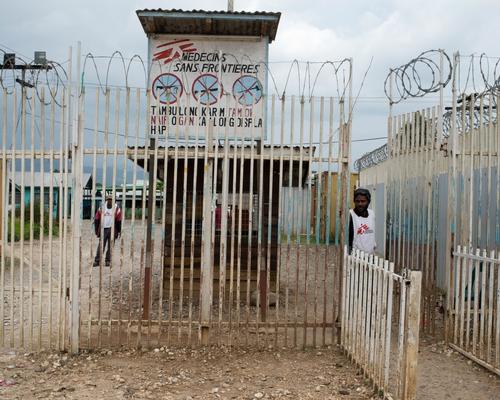
The entrance to the MSF run Family Support Centre and Tari Hospital in Hela Province in Papua New Guinea. MSF runs a Family Support Centres connected to this hospital. MSF Family SUpport Centres have developed a model of care that offers five essential services to all family and sexual violence survivors in a single session. This package of care ensures that integrated medical and psychosocial assistance is provided as soon as possible, establishing a ‘one-stop shop’ so that victims of violence are not forced to move back and forth between different service providers. Since 2009 MSF has treated 27,993 survivors of family and sexual violence care in the country and carried out 68,840 major and minor surgeries, one third of which were for violence-related injuries. However, across Papua New Guinea, there is simply not enough comprehensive medical and psychosocial care for survivors of family and sexual violence. As a result, many survivors are left on their own to suffer in silence. Only seven of 16 Family Support Centres across the country are deemed to be fully functional by national authorities, with services in the remaining nine centres varying greatly. Too often, the minimum package of medical care that should be available to all survivors of violence exists only on paper.
Papua New Guinea

Return to Abuser

“Return to Abuser” report uncovers the gaps in services and systems trapping women and children in cycles of severe family and sexual violence in Papua New Guinea.The report includes comprehensive data from more than 3,000 survivors of family and sexual violence that MSF treated in 2014-15 in its two projects in both rural Tari, in Hela Province, and the capital, Port Moresby, Report - 1 Mar 2016
 
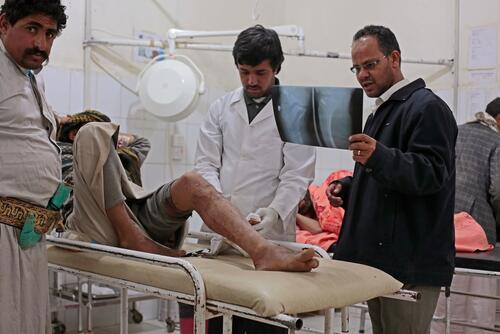
Doctors examine an x-ray at the bedside  of a patient, 20 February 2016, in the MSF-run Khmer Hospital in Amran, Yemen.
Yemen

Practising medicine under fire

"Even though conditions here are not easy, and the work can be challenging, I am pleased to be working here," says Dr Mariela Carrara. Voices from the Field - 26 Feb 2016
 
Hep-C patient being counselled by Psychosocial counsellor at MSF Mumbai clinic on dealing with side effects of the treatment regimen.
India

Patent challenge hearing on Gilead hepatitis C drug sofosbuvir starts in India

‘Patent opposition’ seeks to ensure millions of people left out of Gilead licensing deals can access affordable generics Project Update - 26 Feb 2016
 
Psychosocial and health promotion workers organize group sessions to pass health related messages to the community. Poor living conditions and an uncertain future have a great impact on the wellbeing of residents. Many people have left the camp to try to reach Europe and many more are making plans.
Iraq

Seven months in an endless race to provide access to aid

"A number of our staff left Iraq to go to Europe in search of a better life, especially staff who were themselves refugees in Iraq. Some left with their families – despite knowing the risks they faced they saw no alternative," says Robert Onus, MSF logistics team leader. Voices from the Field - 25 Feb 2016
Four mothers posing in a corridor of the Hospital in Bili. All four of them are staying in the hospital with their child, that's suffering from a severe case of malaria. Since the beginning of the project in 2016, the pediatric ward already treated more than 4.000 cases of complicated/severe form of malaria.
Médecins Sans Frontières (MSF)

Independent medical humanitarian assistance

We provide medical assistance to people affected by conflict, epidemics, disasters, or exclusion from healthcare. Our teams are made up of tens of thousands of health professionals, logistic and administrative staff - most of them hired locally. Our actions are guided by medical ethics and the principles of independence and impartiality. We are a non-profit, self-governed, member-based organisation.

Learn more