



Ebola disease in DRC: find out how we're responding
Learn more
4635 Results
 
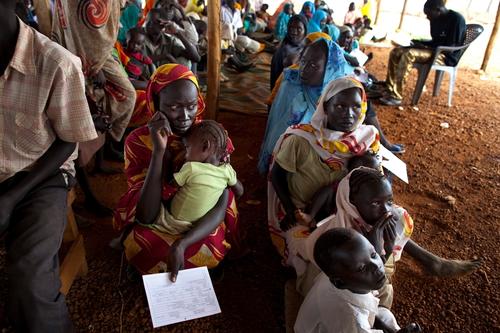
JAMAM, SOUTH SUDAN - JULY 17:  Sudanese refugees wait in line in the out patient department at the MSF ( Medecins Sans Frontieres ) field hospital July 17, 2012 in Jamam refugee camp, South Sudan.
South Sudan

We did not want to leave but we could not stay

Sudanese refugees have begun crossing the border into South Sudan again Voices from the Field - 7 Jan 2013
 
msf-placeholder
Somalia

Operating at our own risk in Somalia

A year after one of the “worst famines”1 Somalia has ever known, the attention of the international community has turned elsewhere. While the food and nutrition situation is slowly improving, it remains fragile: according to the United Nations' Food Security and Nutrition Analysis Unit, one in five children are acutely malnourished, and more than two million people are still facing acute food insecurity. Project Update - 2 Jan 2013
 
Assessment of the municipal health unit in Baganga, Davao Oriental. MSF is currently running four mobile clinics in eight districts in Cateel and Baganaga municipalities on the island of Mindanao in the Philippines following the destructive Typhoon Bopha earlier in December.
Philippines

MSF team runs mobile clinics following typhoon

After Typhoon Bopha devastated coastal parts of Mindanao island in the Philippines earlier this month, MSF has dispatched two teams to run mobile clinics to provide basic healthcare, monitor for outbreaks of disease and support recovery efforts. Project Update - 31 Dec 2012
 
MDR-TB section in Blue House Clinic, Mathare, Nairobi.<br/>
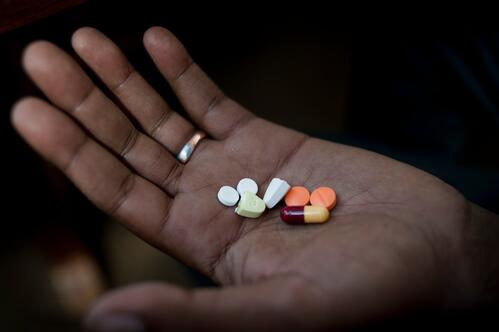
Patients receiving treatment in Blue House, a clinic on the edge of Mathare, one of the Kenyan capital Nairobi's more violent slums, where MSF treats people with TB and HIV. Drugs used to treat TB are from the 1950s and a course of treatment for uncomplicated TB takes six months. Poor treatment management and adherence has led to new strains of bacilli that are resistant to one or more anti-TB drug. Multi-drug-resistant TB (MDR-TB) is a serious form of this, identified when patients are resistant to the two most powerful first-line antibiotics.<br/>
Treating DR-TB is complicated from a programmatic perspective: treatment is individualised, tailored according to which drugs a patient is resistant to. It is long and taxing, requiring people to take a course of antibiotics for up to two years and endure often intolerable side effects.
Tuberculosis

Bedaquiline: First new tuberculosis drug in 50 years

MSF welcomed the approval by the US Food and Drug Administration of bedaquiline, the first new drug active against tuberculosis (TB) to be registered since 1963. The drug is active against drug-resistant forms of the disease, making it a potential game-changer for TB treatment. Press Release - 31 Dec 2012
 
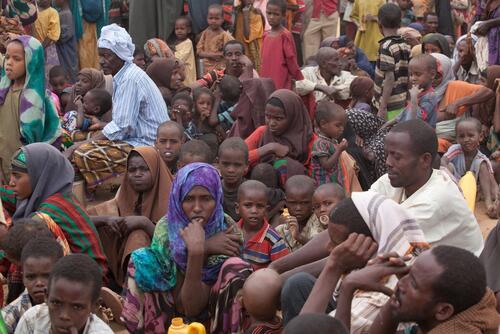
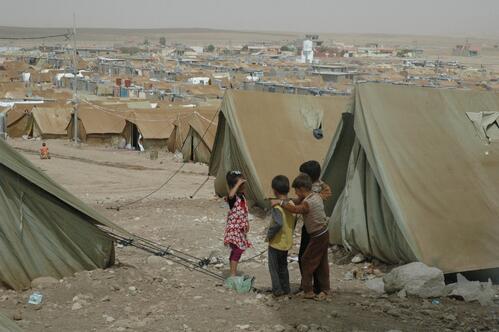
Recently arrived Somali refugees wait at the official reception center in Dadaab refugee camp in northern Kenya.
Kenya

Dadaab: A new influx of refugees will worsen already dire situation

MSF is deeply concerned about the medical consequences following recent public statements from Kenyan authorities exhorting thousands of Somali refugees in Kenya to leave urban areas and go to remote and already saturated camps. Any potential influx of new arrivals will put further pressure on the existing precarious situation. Statement - 28 Dec 2012
 
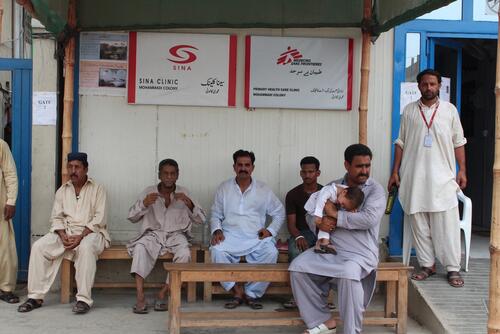
The male attendants’ waiting area in Machar Colony clinic, Karachi
Pakistan

MSF opens new clinic in Karachi

A new clinic providing essential basic medical care as well as emergency and obstetric services has been opened in Machar Colony by MSF together with Sina Health, Education and Welfare Trust (SINA). The clinic first opened its doors in mid-October 2012, and in its first month more than 100 consultations took place daily. Press Release - 27 Dec 2012
 
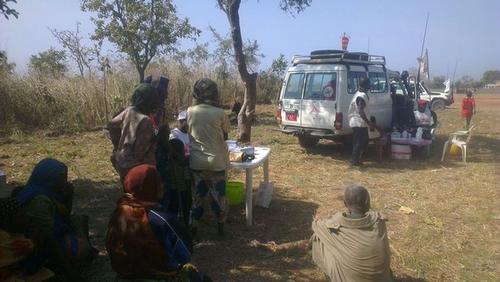
MSF organizes mobile clinic for the displaced populations in the town of Ndélé, following the attack of the towns on December the 10th. As of today 4 of these mobile clinics were organized, and MSF received more than 300 patients in consultation.
Central African Republic

MSF extends medical activities amid increasing violence

Fighting and violence continued over the past week in several areas in the north and centre of Central African Republic (CAR). Increased military movements and hostilities between rebels and the army have forced civilian population to leave their homes, preventing them from accessing the basic services they need, in particular medical aid. Project Update - 24 Dec 2012
 
MSF opened in May 2012 a primary health care centre (PHCC) in the Domeez Syrian refugee camp. MSF is the main health actor in the camp and provides medical consultations, mental health care and training for the health staff in the camp.
Syria

Response to increasing suffering inadequate

The humanitarian situation in Syria continues to worsen as the war escalates and attacks against health facilities continue. Project Update - 21 Dec 2012
 
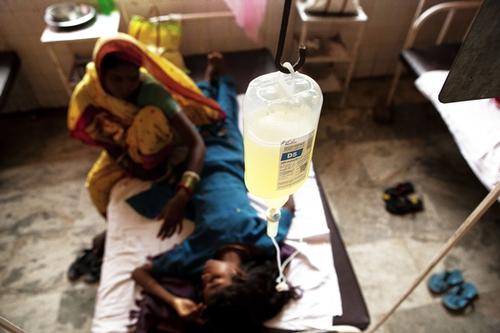
Since July 2007, MSF has been running a kala azar diagnostic and treatment project in Vaishali district, in the centre of the Indian state of Bihar. In the four years, about 8,000 patients have been treated at the Sadar Hospital, and in five MSF-supported health centres. The initial cure rate of kala azar cases is at 98 per cent. Kala azar is a disease endemic to Bihar. Transmitted by the sand fly, the disease mainly affects the spleen and, if left untreated, is fatal for virtually all patients.
Access to medicines

Medicines shouldn't be a luxury

MSF Access Campaign and its current activities. Project Update - 19 Dec 2012
 
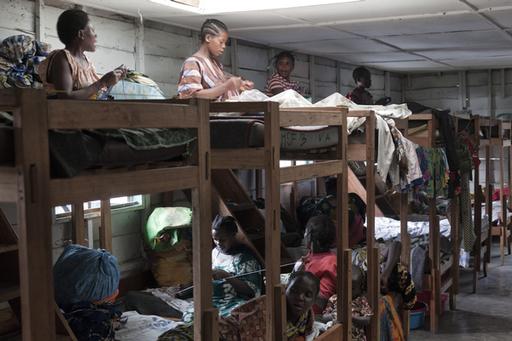
Heavily pregnant women relax In the dormitory at the Village des Mamans in Masisi. 

The free antenatal care set up for pregnant women with potential complications, became so popular that MSF constructed bunk beds to accommodate the influx of women. 

At first, the women were nervous about sleeping on bunks which provided a talking point in the Village.

This photo was taken as part of the www.msfdelivers.org fundraising campaign.
Democratic Republic of Congo

Ethnic violence in Masisi limits access to treatment

While people living in Goma and sheltering in nearby camps continue to live in fear of new clashes between an armed group called theM23 and loyalist forces, MSF is witnessing increased violence in Masisi some 80km to the north-west. In this isolated area of North Kivu, the medical emergency organisation is providing support to the region’s primary hospital. Voices from the Field - 19 Dec 2012
Four mothers posing in a corridor of the Hospital in Bili. All four of them are staying in the hospital with their child, that's suffering from a severe case of malaria. Since the beginning of the project in 2016, the pediatric ward already treated more than 4.000 cases of complicated/severe form of malaria.
Médecins Sans Frontières (MSF)

Independent medical humanitarian assistance

We provide medical assistance to people affected by conflict, epidemics, disasters, or exclusion from healthcare. Our teams are made up of tens of thousands of health professionals, logistic and administrative staff - most of them hired locally. Our actions are guided by medical ethics and the principles of independence and impartiality. We are a non-profit, self-governed, member-based organisation.

Learn more