



Ebola disease in DRC: find out how we're responding
Learn more
8007 Results
 
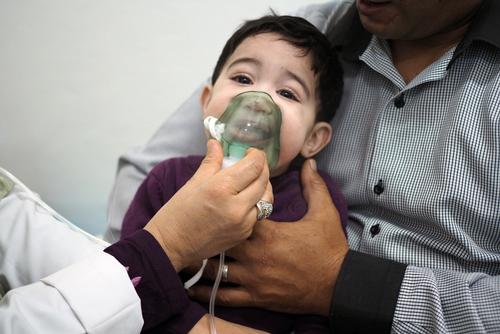
In the Jedi Ibrahim polyclinic, located in the old town of Zuwara. Sefaw, 9 months, and his father Sassi. "He caught cold and has small difficuties to breathe".
Libya

Hospitals closed or operating on a reduced schedule

Interview with Dr. Mego Terzian, President of Médecins Sans Frontières France, back from a site visit to Libya Interview - 27 Apr 2016
 
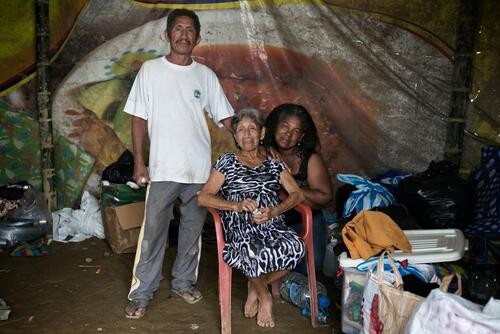
Portrait 49 year old of Mariana Daisa Esmeralda Castillo (r) with her mother in law (c) and husband (l), inside a shelter on Portete island.

'In the moment the earthquake struck, on the island of Portete, we were all in our homes. First we felt the trembling, but then it was as if the earth was running away. As soon as that happened, all of the neighbours went to a common meeting place on the island. Fortunately, two days prior to the earthquake, we had received a training on evacuation at a nearby hotel and that really helped us in this situation. 
We crossed on small boats, then got on a road and headed to Altos de Portete, where we set up a shelter for 50 families. There we received pshycho-social support from MSF, both for the kids and the adults. My mother-in-law, who is elderly and who lost her husband two months ago, felt better after speaking with the team'.

'Now I’m really scared to go back to my home on the island. We’re waiting for authorities to rebuild our homes. Until they can provide that safety, we can’t return. The children don’t even say they want to go back; they are still very frightened. My husband and I ran a bar on the beach for tourists, but now we have no work because everything is destroyed and tourists won’t want to come'. 

'Our entire family is living here in this shelter we built, but in Pedernales, we lost many loved ones. Every day, I go to sleep and wake up and I continue to be grateful to be alive. After the earthquake, we were reborn to live to tell our children and grandchildren what happened to us.”
Ecuador

Earthquake in Ecuador: I’m so scared to go back home

Voices from the Field - 27 Apr 2016
 
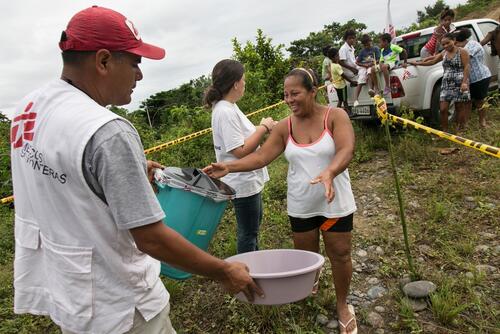
Medecins Sans Frontieres (MSF) staff members Cristina Buixeres and Fredy Haro  distribute hygiene and cooking kits for 52 families in the Alto del Portete shelter in Muisne, Ecuador
Ecuador

The population is fearful and nervous

Project Update - 27 Apr 2016
 
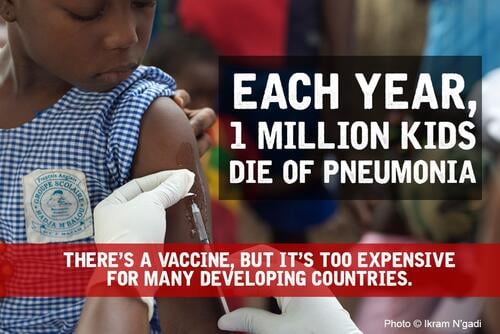
A Fair Shot 1 million pneumonia deaths infographic
Access to medicines

2,500 flowers are placed in front of Pfizer’s HQ, representing number of children who die of pneumonia each day.

“We’ve seen too many children die of pneumonia, and we’re not going to stop until we know that all countries can afford this life-saving vaccine,” Press Release - 27 Apr 2016
 
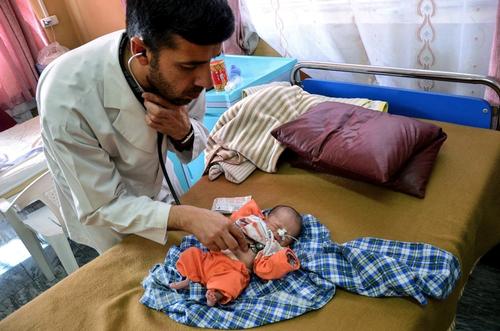
A Médecins Sans Frontières doctor listens to a premature newborn's chest, as part of the daily care and follow-up provided in the Kangaroo Mother Care unit. 

Un médecin MSF écoute la respiration d’un nouveau-né prématuré. Cela fait partie du suivi de routine dans l’unité kangourou. 

---Dasht-e-Barchi’s Kangaroo Mother Care Unit---
Afghanistan

Maternity service in the district public hospital of Dasht-e-Barchi

MSF's work in photos at the busy maternity service it runs in the district public hospital in Dasht-e-Barchi, one of the poorest neighbourhoods in Afghanistan’s capital Kabul. According to World Bank data, Afghanistan’s maternal mortality rate for 2015 was 396 per 100,000 live births. Photo Story - 26 Apr 2016
 
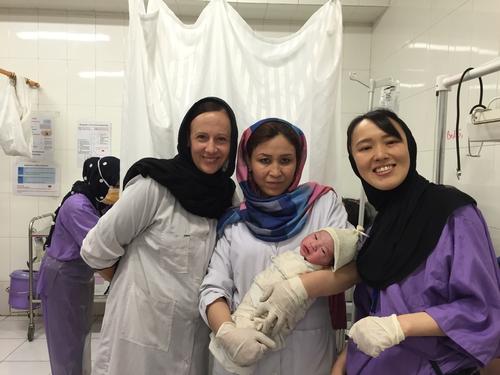
Women's Health Advisor and Midwife Kara Blackburn on the left, with colleagues Akila (Afghan national staff) and Etsuko (from Japan), on an assessment visit to MSF's comprehensive emergency obstetric and newborn care project in Dasht-e-Barchi in March 2016.
Afghanistan

The number of deliveries has doubled since the project opened

"I was asked to visit the Dasht-e-Barchi project because the number of deliveries has doubled since the project opened just over a year ago," says Kara Blackburn. "In the last 24 hours of my visit the team managed 60 deliveries – in any hospital this is a huge volume, and yet everyone kept up the pace; striving to provide a good quality of care. I was really impressed. The hospital I worked at in Australia would have struggled with such a workload." Voices from the Field - 26 Apr 2016
 
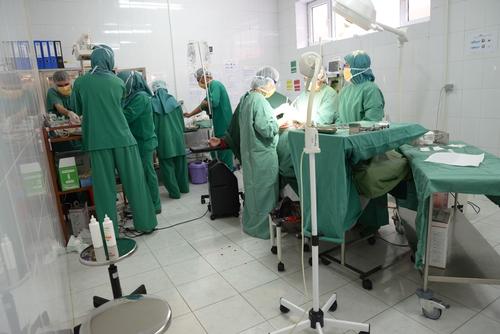
C-section performed on a patient.
Afghanistan

“A postpartum haemorrhage can happen to anyone”

In Dasht-e-Barchi, one of the poorest neighbourhoods in Afghanistan’s capital Kabul, MSF runs a busy maternity service in the district public hospital. Voices from the Field - 26 Apr 2016
 
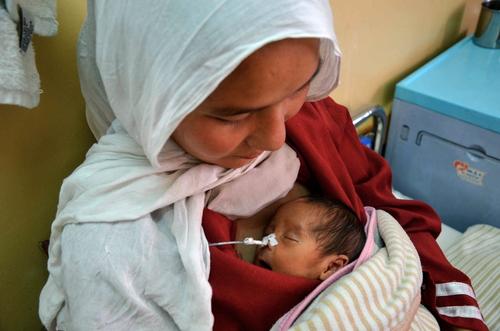
A new mother performs skin-to-skin care, which helps her pre-term baby grow by keeping it warm, promoting breastfeeding and bonding, and reducing the risk of infection.

Une mère pratique la technique « peau à peau » pour favoriser la croissance de son nouveau-né prématuré, en le maintenant au chaud. Cette technique permet aussi l’allaitement maternel et réduit les risques d'infection.
Afghanistan

Nurturing premature babies with their mothers’ embrace

Kangaroo Mother Care (KMC), or skin-to-skin care, is highly valued as a therapy that can benefit both mother and child. Dr Nikola Morton, paediatrician, and Laura Acheson, a neonatal nurse, were both passionate about consolidating skin-to-skin practice in Dasht-e-Barchi. They shared their experience of how skin-to-skin has become standard in MSF’s thriving Dasht-e-Barchi neonatal unit. Project Update - 26 Apr 2016
 
MSF health promotor during a session on sexual violence and sexually transmitted infections (STI) in Molokai village. The original inhabitants of the region are pygmies people.
Democratic Republic of Congo

In Mambasa, MSF teams provide care to four new rape survivors each day

“Our work involves changing mentalities to get rid of the taboo around sexual violence, and to be able to offer proper care to every victim,” says Mame Anna Sane, MSF medical team leader. “Of course there is a criminal and legal aspect to sexual violence, but for us it’s first of all a medical emergency.” Project Update - 25 Apr 2016
Four mothers posing in a corridor of the Hospital in Bili. All four of them are staying in the hospital with their child, that's suffering from a severe case of malaria. Since the beginning of the project in 2016, the pediatric ward already treated more than 4.000 cases of complicated/severe form of malaria.
Médecins Sans Frontières (MSF)

Independent medical humanitarian assistance

We provide medical assistance to people affected by conflict, epidemics, disasters, or exclusion from healthcare. Our teams are made up of tens of thousands of health professionals, logistic and administrative staff - most of them hired locally. Our actions are guided by medical ethics and the principles of independence and impartiality. We are a non-profit, self-governed, member-based organisation.

Learn more