



Ebola disease in DRC: find out how we're responding
Learn more
8009 Results
 
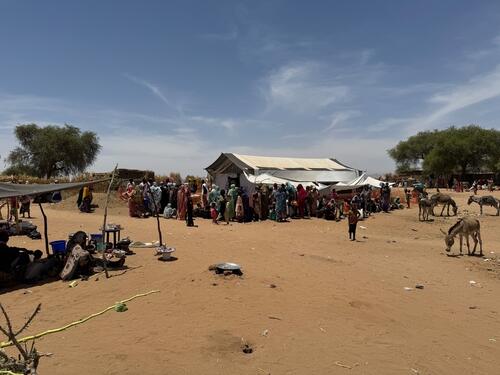
A view of MSF health post in Tawila Umda, a few minutes before its opening. Located on the main arrival site of displaced people from Zamzam and El-Fasher, it aims at providing immediate medical care to those the most in need: people arrived in an advanced state of dehydration and exhaustion, even sometimes suffering from non-severe gunshot or shrapnel wounds. The health post offers the possibility to refer the most urgent cases directly to the MSF supported hospital in Tawila city. It also provides routine vaccination catch-up and malnutrition screening for children under 5. 

Such a health post is usually designed to provide 50 consultations per day. On that day, more than 270 medical consultations were realised in the facility - it was the less busy day of the week, from far.
Conflict in Sudan

People fleeing Zamzam camp arrive to overwhelmed humanitarian response in Tawila

Three weeks since the deadly attack on Zamzam camp, Sudan, people are still arriving in Tawila malnourished and injured. Project Update - 6 May 2025
 
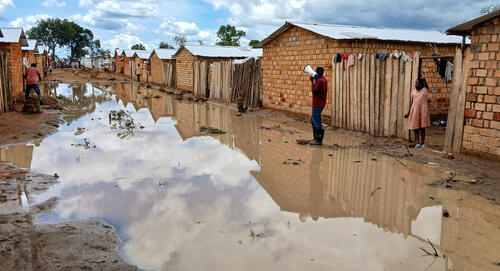
View of the Musenyi site, flooded by the rains. Homes on the site are highly vulnerable to the rains due to the impermeable soil, and residents are trying to protect their homes as best they can. Flooding and stagnant water increase the risk of water-borne diseases and malaria. 

------------
Vue du site de Musenyi, inondé par les pluies. Les habitations du site sont très vulnérables aux pluies du fait du sol imperméable, et les résidents tentent de protéger les maisons comme ils peuvent. Les inondations et eaux stagnantes posent des risques accrus de maladies hydriques et de paludisme.
Burundi

Burundi: Congolese refugees in Musenyi site face humanitarian and health emergency

Some 18,000 Congolese people are now staying at a refugee site in Burundi with the capacity to host only 10,000 people. Project Update - 6 May 2025
 
MSF Fangak hospital in South Sudan burning after being bombarded
South Sudan

South Sudan: MSF strongly condemns the deliberate bombing of our hospital in Old Fangak, Jonglei state

Our hospital in Old Fangak, Jonglei state, was attacked on the morning of 3 May. Press Release - 4 May 2025
 
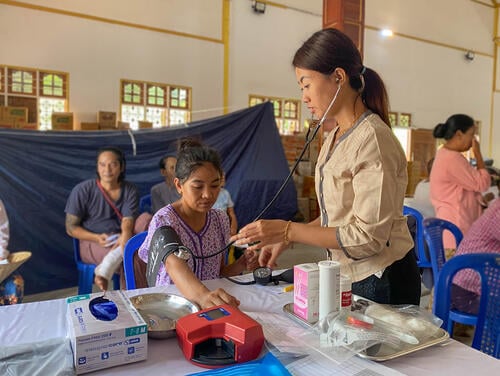
Midwife May Phyoe Thu (38), checks Win Win's bloodpressure. The 38 year old woman lost her husband in the eqartquake, and her son was trapped under the rubble for 5 hours.  Since then, he has feared being in the dark and becomes anxious easily.
Myanmar

One month since devastating earthquake in Myanmar

We collected testimonies about the 28 March earthquake from people who visited our team during mobile clinics in Mandalay. Voices from the Field - 2 May 2025
 
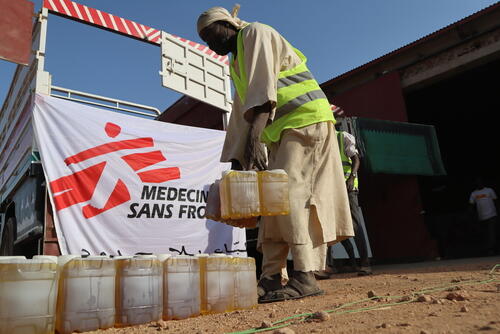
MSF staff offloading the truck to prepare for the distribution in outskirts of Nyala / South Darfur
Conflict in Sudan

Action must be taken now to avert worsening malnutrition crisis in South Darfur

The upcoming rainy season in South Darfur, Sudan, will worsen an existing malnutrition crisis if action is not taken now. Press Release - 28 Apr 2025
 
A line of beds at the paediatric ward in the Cholera Treatment Center (CTC).  

MSF has been running a CTC in Assosa since Nov 12th, a few km away from Malakal hospital, to respond to the increasing needs of cholera patients in Malakal.  

The CTC currently has 90 beds, with capacity to scale up to 100.
United States of America

What MSF teams see after first 100 days of US aid budget cuts

While MSF does not take US government funding, our teams are witnessing the effects of funding cuts globally. Press Release - 25 Apr 2025
 
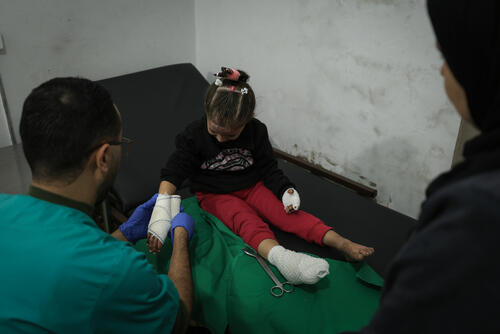
MSF nurse Belal is tending to Sham’s dressings at the clinic in Gaza City. After their house in Beit Hanoun was targeted, she sustained burn injuries.
Gaza-Israel war

No relief and no chance of recovery for Gaza’s burn patients

In Gaza, Palestine, burn patients are subjected to prolonged suffering. Project Update - 25 Apr 2025
 
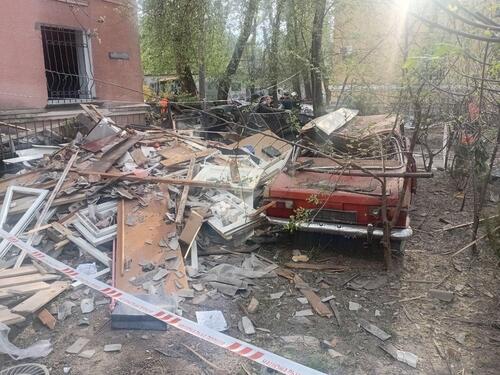
Kyiv 24 April after the attack.
War in Ukraine

The relentless and indiscriminate bombing in Ukraine must cease

A series of recent strikes on civilian targets across Ukraine, including on the capital, Kyiv, has killed dozens of people. Press Release - 24 Apr 2025
 
The MSF hospital in Agok is the only facility providing secondary care in the entire Abyei region of South Sudan. This structure deals with emergencies, surgeries, treatments of HIV, tuberculosis, chronic diseases as well as neglected diseases, such as snake bites, a real scourge in the region. In 2019, in order to improve the quality of care, a radiology room was set up and the pharmacy was extended. A lack of specialized structures in the surrounding states forces some patients to travel very long distances to get to Agok hospital, some have to walk for up to 10 hours. This phenomenon illustrates the need for a comprehensive hospital in a country where health care is almost non-existent
Democratic Republic of Congo

Violence against civilians must end in DRC as second MSF staff killed in Masisi

A second MSF staff member has been killed in Masisi, North Kivu, DRC, as civilians and aid workers are victims to the violence. Press Release - 24 Apr 2025
 
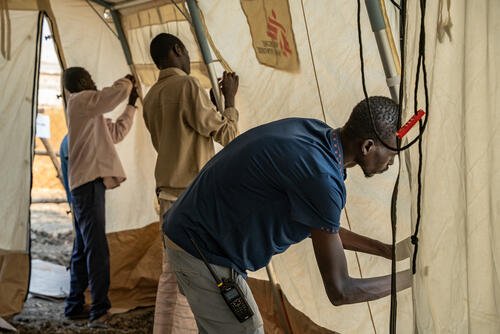
MSF staff working to set up a tent to extend the bed capacity of the Cholera Treatment Center (CTC) in Assosa to respond to the growing needs of the population amid the outbreak. 

MSF has been running a CTC in Assosa since Nov 12th, a few kilometres away from Malakal hospital, to respond to the increasing needs of cholera patients in Malakal.
South Sudan

The first 72 hours of a cholera outbreak

Diyani Dewasurendra recounts the first 72 hours of a cholera outbreak in South Sudan. Voices from the Field - 23 Apr 2025
Four mothers posing in a corridor of the Hospital in Bili. All four of them are staying in the hospital with their child, that's suffering from a severe case of malaria. Since the beginning of the project in 2016, the pediatric ward already treated more than 4.000 cases of complicated/severe form of malaria.
Médecins Sans Frontières (MSF)

Independent medical humanitarian assistance

We provide medical assistance to people affected by conflict, epidemics, disasters, or exclusion from healthcare. Our teams are made up of tens of thousands of health professionals, logistic and administrative staff - most of them hired locally. Our actions are guided by medical ethics and the principles of independence and impartiality. We are a non-profit, self-governed, member-based organisation.

Learn more