



Ebola disease in DRC: find out how we're responding
Learn more
4635 Results
 
msf-placeholder
Syria

Testimony of a Syrian doctor

A Syrian doctor working with MSF explains the medical needs now that Syria is at war. Voices from the Field - 23 Jul 2013
 
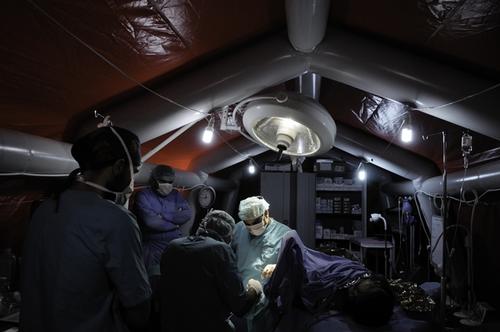
An inflatable operating theatre is erected inside this MSF makeshift hospital in Syria (a converted chicken farm) as it is an efficient way to maintain a sterile environment. Surgeon Steve Rubin operating.
Syria

Diabetes, shrapnel wounds and newborn twins

In Syria the number of people in need of urgent medical care keeps increasing. MSF runs six hospitals, four health centres and several mobile clinic programmes inside Syria. Project Update - 23 Jul 2013
 
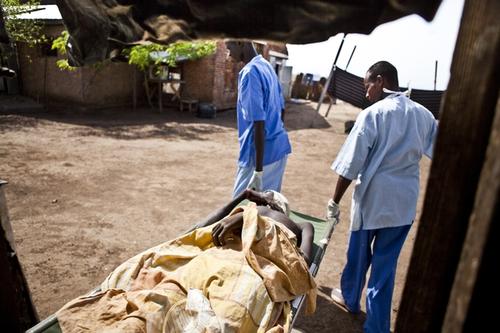
Choal Bang was shot in the head during clashes. Bang was shot in the head while trying to defend cattle. He spent one night alone before he was found. He was  flown from Lankien to Nasir for surgery and has been in recovery  for two months.
South Sudan

Violence intensifies in Jonglei, wounded left without access to medical care

MSF teams treating wounded and sick on both sides of fighting Press Release - 17 Jul 2013
 
msf-placeholder
Central African Republic

Civil war is killing children in the Central African Republic but it's not doing it with bullets

Getting health care has never been simple in the Central African Republic, where there’s a 16 percent chance a baby won’t make it past his or her fifth birthday and life expectancy tops out at age 50. In the Media - 15 Jul 2013
 
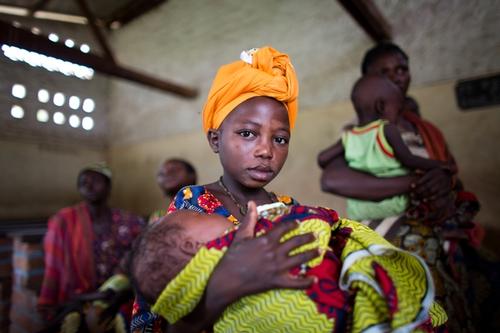
Women and children wait for treatment at a mobile clinic near Bossangoa, in the northwest region of the Central African Republic. MSF has launched an emergency response in the area to support a local hospital and health centres after they were looted during a coup d'etat. Many of the women and children are suffering from malaria, which is the main illness amongst children in the country.
Central African Republic

Central African Republic: Abandoned to its fate?

Three months after Seleka rebels seized power in Central African Republic, the country is in the grip of a humanitarian emergency while the international community looks on with indifference, warned MSF today. Report - 9 Jul 2013
 
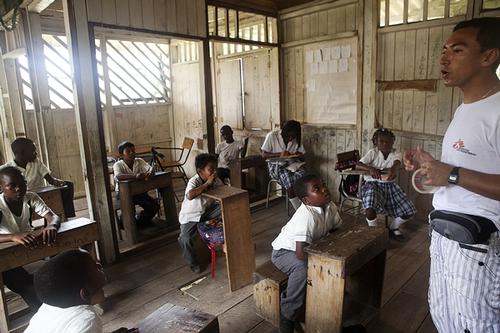
Children`s workshop on sexual violence in a school in Cauca department, Colombia.

For over 50 years, civilians have been caught up in the daily violence of Colombia's armed conflict. People from the most affected regions are exposed to forced displacement, massacres, murders, mines, kidnappings, threats and sexual violence. The state fails to respond effectively to their medical and psychological needs, and these vulnerable populations are left to face alone the repercussions of violence in their daily life.
MSF is one of the few international medical-humanitarian organizations that provides primary and mental healthcare in some of the regions most affected by conflict. During 2012, its teams ran mobile clinics and permanent and semi-permanent health posts in Cauca, Nariño, Caquetá and Putumayo.
The findings of MSF’s report “The less visible wounds: Mental health, violence and conflict in southern Colombia”, based on the testimonies of more than 4,400 patients treated in MSF’s mental health programmes in the south of the country between January and December 2012, show that the majority (67%) had experienced one or more violence-related events and had daily exposure to various risk factors associated directly or indirectly with the dynamics of the conflict.
Colombia

An invisible problem

The psychological consequences of violence on ordinary people in the south of the country Project Update - 8 Jul 2013
 
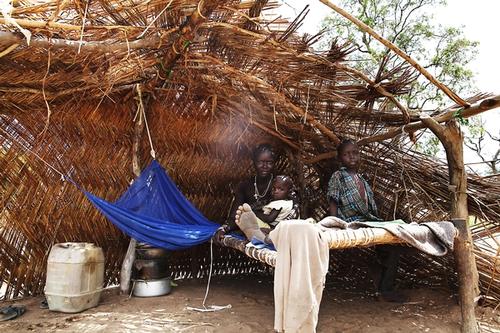
Camp for displaced people in the South Sudan's state of Northern Bahr el Ghazal.
South Sudan

20,000 people neglected after fleeing disputed border region

More than 20,000 people are almost cut off from aid in South Sudan’s Northern Bahr el Ghazal state after fleeing violence in the disputed border region with Sudan, warned MSF today. Press Release - 8 Jul 2013
 
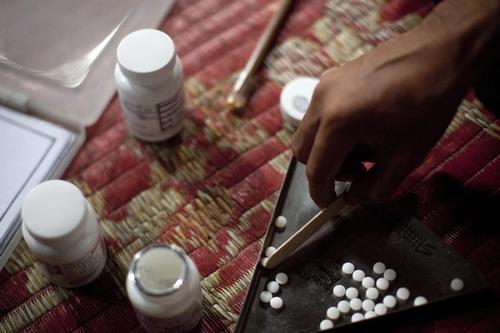
Min Min Oo, an MSF Outreach Worker, measures out ARVs during a house visit.
Access to medicines

Generic competition pushing down HIV drug prices, but patents keep newer drugs unaffordable

The price of first- and second-line antiretrovirals (ARVs) to treat HIV are falling because of increased competition among generic producers, but newer ARVs continue to be priced astronomically high. Press Release - 2 Jul 2013
 
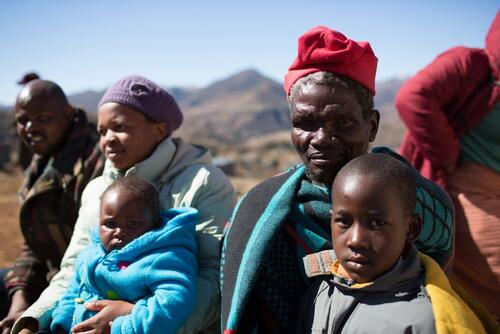
Patients  waiting to be seen at  Ramabanta Health Center. Ramabanta, Lesotho.
HIV/AIDS

Putting HIV Treatment to the Test

Putting HIV Treatment to the Test, looks at the price of HIV viral load tests. Report - 2 Jul 2013
 
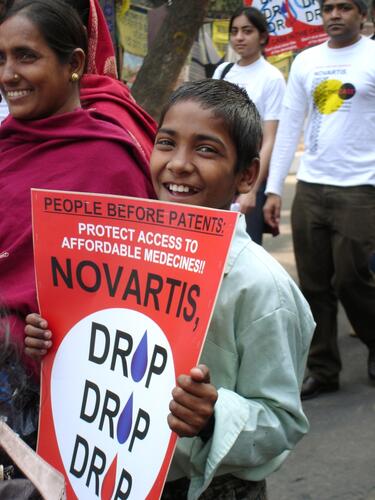
New Delhi. Hundreds of Indian activists protested in New Delhi on Monday against a challenge to the country's patent law by Swiss pharmaceutical giant Novartis. India produces affordable medicines that are vital to many people living in developing countries. Over half the medicines currently used for AIDS treatment in developing countries come from India and such medicines are used to treat over 80% of the 80,000 AIDS patients in MSF projects. If Novartis is successful in its challenge against the Indian government and its patent law, more medicines are likely to be patented in India, making it very difficult for generic producers to make affordable versions of them. This could affect millions of people around the world who depend on medicines produced in India.
Access to medicines

Untangling the Web of ARV Price Reductions - 16th Edition

The price of first- and second-line antiretrovirals (ARVs) to treat HIV are falling because of increased competition among generic producers, but newer ARVs continue to be priced astronomically high, according to the annual report Untangling the Web of ARV Price Reductions, released today by the international medical humanitarian organisation Médecins Sans Frontières (MSF) at the International AIDS Society conference in Kuala Lumpur. Report - 2 Jul 2013
Four mothers posing in a corridor of the Hospital in Bili. All four of them are staying in the hospital with their child, that's suffering from a severe case of malaria. Since the beginning of the project in 2016, the pediatric ward already treated more than 4.000 cases of complicated/severe form of malaria.
Médecins Sans Frontières (MSF)

Independent medical humanitarian assistance

We provide medical assistance to people affected by conflict, epidemics, disasters, or exclusion from healthcare. Our teams are made up of tens of thousands of health professionals, logistic and administrative staff - most of them hired locally. Our actions are guided by medical ethics and the principles of independence and impartiality. We are a non-profit, self-governed, member-based organisation.

Learn more