



8077 Results
 
msf-placeholder
Syria

Perhaps we should live underground to survive

Voices from the Field - 25 Nov 2016
 
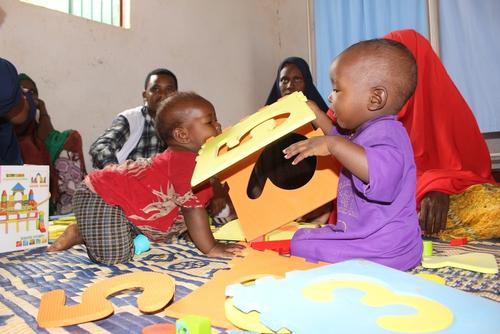
Tripling the number of children admitted while keeping the same level of care... that’s a recurrent challenge for MSF teams in Niger. The rainy season corresponds to the lean season, therefore malaria and malnutrition peak coincides. For children in particular, it is the most difficult period of the year and represents a real fight for survival. 
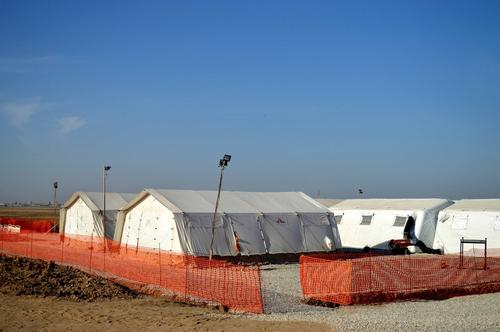
This chronicle crisis is being prepared months in advance. This year, MSF strategy has been to open an autonomous pediatric unit in Dungass, two hours ride from Magaria city. Thanks to this center, the hospital bed capacity for children in the region has been scaled up to 700 beds. The fully functioning hospital, built in a few months on a stretch of sand, successfully managed to function as a buffer during the peak. More than 200 staff, essential medical doctors and nurses, have been recruited and trained. 
In September 2016 only, about 2500 children were admitted in MSF supported hospitals of Magaria region.
Niger

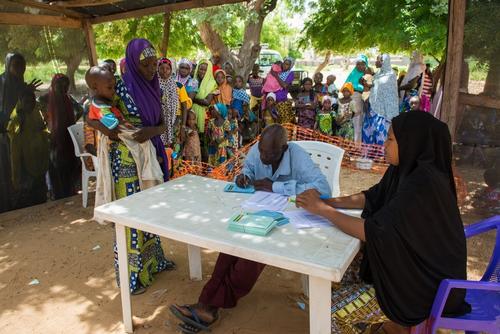
Sharp increase in malaria cases in recent months

In Niger, after a significant decline of malaria cases over the last three years, there was an alarming resurgence of the disease this summer. Project Update - 25 Nov 2016
 
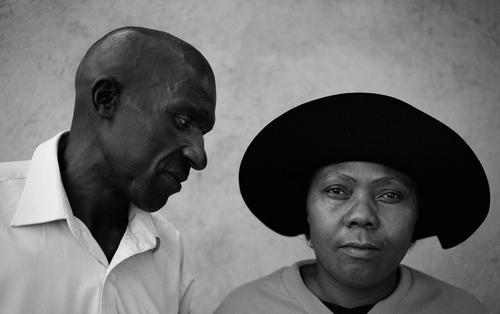
Mashiri is 42 years old and was diagnosed HIV positive in 2006. He started treatment that same year. Duduzile is 40 years old and was diagnosed with HIV in 2007. They met and fell in love after meeting at an HIV community support group at Epworth, on Harare’s outskirts, in 2015.
Zimbabwe

Surviving AIDS in Zimbabwe

Today, the number of people who are HIV positive in Zimbabwe has reduced to 15 per cent, but major gaps in treatment remain. Photo Story - 25 Nov 2016
 
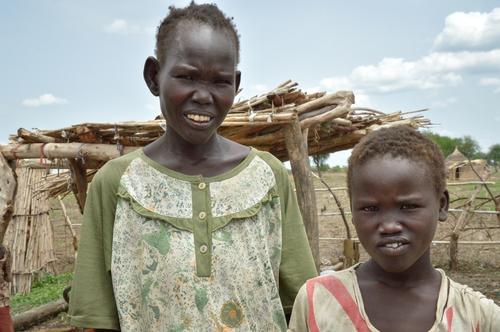
12-year-old Nyanjima Mayot with her mother Adau Wek. Nyanjima is one of the first patients on MSF’s home insulin treatment programme in Agok, South Sudan. She can administer her own treatment at home under the supervision of her mother, only needing a medical check-up once a month.
South Sudan

Bringing diabetes treatment home

MSF decided to train patients and their caretakers on how to administer the insulin so that they would no longer have to come to the hospital every day. Voices from the Field - 25 Nov 2016
 
Madeleine Boyer (infirmière anesthésiste).
Rwanda

Humanitarian aid, genocide and mass killings

Humanitarian aid, genocide and mass killings is intended for humanitarian aid practitioners, students, journalists and researchers with an interest in genocide and humanitarian studies and the political sociology of international organisations. Book - 23 Nov 2016
 
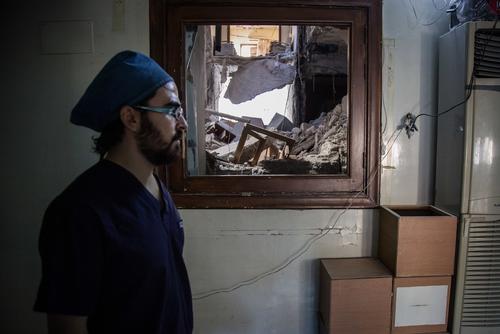
Dr Abu Wasim, a plastic surgeon, stands next to a damaged ward on the upper floors of a hospital in east Aleppo after it was hit by an airstrike in mid-October 2016. He is one of the 7 surgeons left in East Aleppo.
Syria

Multiple direct and indirect hits on hospitals in east Aleppo in the last 48 hours

The only specialised paediatric hospital in besieged east Aleppo has come under attack for the second time since airstrikes resumed on 15 November, destroying three floors and leaving it out of service. Three other hospitals have also taken direct hits, resulting in casualties among staff and patients and leaving two key surgical hospitals and the largest general hospital out of service. Project Update - 19 Nov 2016
Four mothers posing in a corridor of the Hospital in Bili. All four of them are staying in the hospital with their child, that's suffering from a severe case of malaria. Since the beginning of the project in 2016, the pediatric ward already treated more than 4.000 cases of complicated/severe form of malaria.
Médecins Sans Frontières (MSF)

Independent medical humanitarian assistance

We provide medical assistance to people affected by conflict, epidemics, disasters, or exclusion from healthcare. Our teams are made up of tens of thousands of health professionals, logistic and administrative staff - most of them hired locally. Our actions are guided by medical ethics and the principles of independence and impartiality. We are a non-profit, self-governed, member-based organisation.

Learn more