


Ebola disease in DRC: find out how we're responding
Learn more
4635 Results
 
msf-placeholder
Cameroon

35,000 flee fighting in Central African Republic

35,000 civilians have fled the violence in Central African Republic for Cameroon Project Update - 14 Mar 2014
 
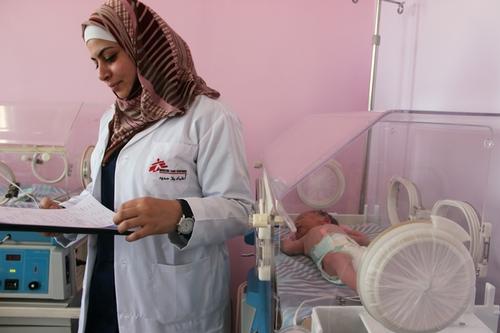
Newborn Syrian baby Zain Al-Abideen receives care from an MSF nurse in the neonatal unit at the mother and child hospital in Irbid.
Syria

MSF response to Syrian crisis

An update on MSF response to the Syrian crisis, including aid for Syrian refugees Project Update - 12 Mar 2014
 
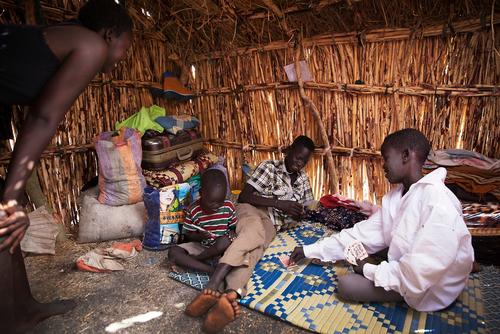
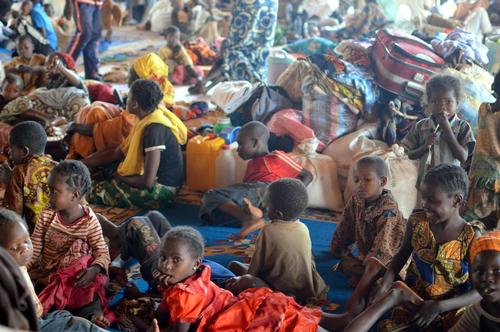
Children in a tent. Over 15,000 displaced people have reached Melut county, in South Sudan's Upper Nile State, after fleeing violence.
South Sudan

15,000 flee clashes in Upper Nile state

Violent clashes force 15,000 people to seek seek refuge in new camps Project Update - 11 Mar 2014
 
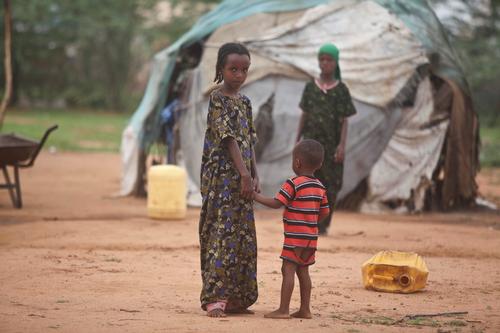
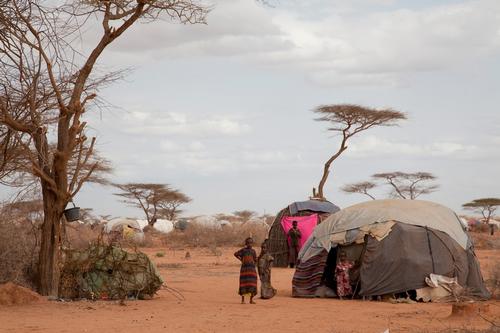
Somali refugee children who are living with their families in makeshift shelters on the outskirts of Dagahaley refugee camp in Dadaab. 

MSF is the only provider of medical care in Dagahaley, one of the five camps in the Dadaab refugee camp complex.  Each month, teams carry out over 20,000 outpatient consultations and admit approximately 600 patients to the hospital.

PHOTO/TOM MARUKO
Kenya

Humanitarian aid must be prioritised in Dadaab camps, despite return of refugees to Somalia

MSF urges donors and Government of Kenya to improve protection of refugees in Dadaab camps. Press Release - 10 Mar 2014
 
Somali refugees are settling the land at the edge of Dadaab refugee camp.
Kenya

Dadaab refugees: An uncertain tomorrow

MSF issues briefing paper highlighting appalling conditions in Dagahaley camp. Report - 10 Mar 2014
 
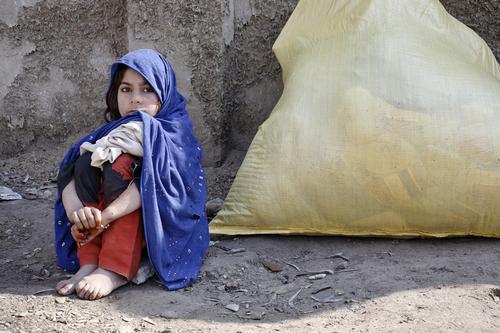
A girl sits next to relief items her family received in an MSF distribution.
 Since September 2008, MSF has been distributing relief items to displaced families living in improvised camps and with resident families. From September 2008 to March 2009, 30 000 people had benefited from MSF distributions in Peshawar, Charsadda and Mardan districts. *** Local Caption *** A massive influx of displaced people fleeing fighting in Bajaur Agency (500 000 people) in August 2008 and in Swat and Buner in April 2009 (1 to 2 million people) has caused significant strain on local families and health centres all around the region. Between 80  90% of the displaced population are living with resident families and improvised settlements all around the NWFP. The rest are living in official displaced persons camps. The dispersion of the displaced population over a large area and the general insecurity in the region have been major factors limiting MSF action.
Women's health

International Women's Day 2014: Forced to Flee

Stories from MSF's patients in Pakistan, Haiti, South Sudan, Philippines, Mauritania and Kenya. Voices from the Field - 7 Mar 2014
 
Deplaces a l'eglise a Carnot.<br/>Forced displaced in the church in Carnot. *** Local Caption *** Since February 1st, date of the anti-Balakas takeover of the city, a thousand people (mostly Peuls/Fulani in transit on their way to Cameroon) are trapped in the city ,victims of attacks and violences.
Central African Republic

Escalating violence endangering civilians and delivery of humanitarian aid

Escalating violence is endangering civilians Press Release - 7 Mar 2014
 
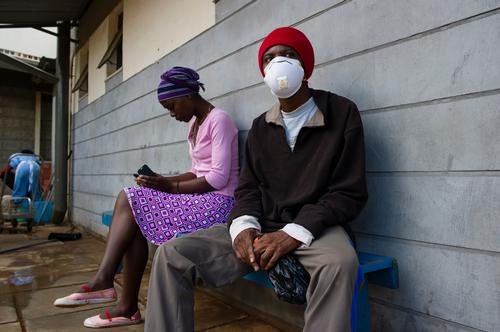
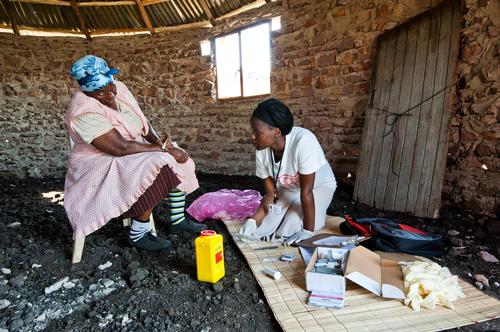
Jackson Ashiono (33) sits in the Kibera South Health Centre in Nairobi's Kibera slum, Kenya. Jackson has been diagnosed with multidrug-resistant tuberculosis (MDR-TB). Jackson was born in Kibera, and continues to live there. He had to give up his job as a casual labourer when he found out he had tuberculosis.  'Unfortunately they did not know it was MDR. The TB treatment was not working and I was getting worse. That is when I was brought at the MSF clinic in a very critical condition, I could not walk, I was unable to talk and I was immediately put on MDR treatment' he says. 'This clinic saved my life. The treatment is free and if this clinic was not here, I am not sure I would be alive today and I appreciate the follow up and encouragement for treatment adherence. I am also grateful as this clinic opened its doors for my daughter to be tested for TB.'
Tuberculosis

Outcomes in Adolescents Undergoing Treatment for Drug-Resistant Tuberculosis in Cape Town, South Africa, 2008-2013

A report into prevalence of TB in adolescents in South Africa. Journal article - 6 Mar 2014
 
To put more people on treatment (and as such combat the HIV epidemic) MSF started bringing free HIV testing to the communities. Community Health Agents (CHAPS) like Nelisiwe walk long distances to cover the households in their assigned areas. They often work in teams because of security concerns (rape, dogs, violent reactions when patients are diagnosed as HIV+).
HIV/AIDS

Two new studies point to impact of HIV treatment on transmission in high-HIV-burden African contexts

Two new studies point to impact of HIV treatment on transmission in high-HIV-burden African countries Press Release - 6 Mar 2014
 
msf-placeholder
MSF Speaking Out

The violence of the new Rwandan regime 1994 - 1995

The ‘Violence of the new Rwandan regime’ case study is describing the difficulties and dilemmas that Médecins Sans Frontières faced in 1994 and 1995 when confronted with the abuses and crimes of the new regime that had taken over in Rwanda in July 1994: Was it acceptable for MSF, having denounced the 'génocidaires’ control over the Rwandan refugees in Zaire and Tanzania, to encourage the return of these refugees to Rwanda, given the insecurity that potentially awaited them? Did MSF have a responsibility to alert them to what was occurring in Rwanda? Could MSF – after having issued a call for an international armed intervention to put an end to the genocide – now criticise the regime that had effectively done so, thereby risking accusations of favouring the génocidaires and supporting the revisionists? Should MSF keep silent in order to continue caring for detainees who might otherwise die in the appalling prison conditions ? Speaking out - 4 Mar 2014
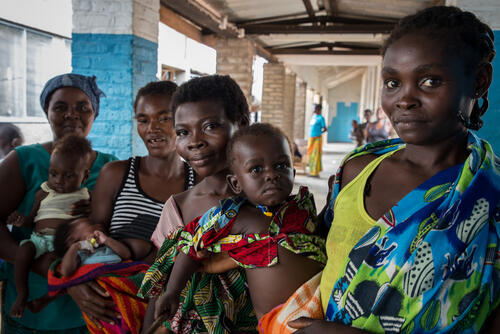
Four mothers posing in a corridor of the Hospital in Bili. All four of them are staying in the hospital with their child, that's suffering from a severe case of malaria. Since the beginning of the project in 2016, the pediatric ward already treated more than 4.000 cases of complicated/severe form of malaria.
Médecins Sans Frontières (MSF)

Independent medical humanitarian assistance

We provide medical assistance to people affected by conflict, epidemics, disasters, or exclusion from healthcare. Our teams are made up of tens of thousands of health professionals, logistic and administrative staff - most of them hired locally. Our actions are guided by medical ethics and the principles of independence and impartiality. We are a non-profit, self-governed, member-based organisation.

Learn more