



Ebola disease in DRC: find out how we're responding
Learn more
4634 Results
 
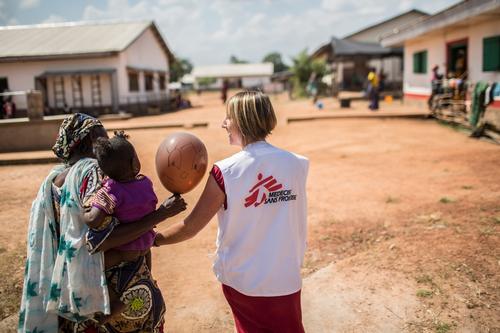
Paoua hospital.
Cathy Beuve, MSF nurse. *** Local Caption *** In CAR, despite an overall increase in aid in recent years, access to health care remains a major problem, even in areas that are not directly affected by the conflict. A majority of Central Africans continue to live in extremely precarious conditions. Several mortality surveys conducted by MSF in particular regions of the country highlight crude mortality rates and specific extremely high - sometimes three to five times higher than the emergency threshold.<br>

These mortality rates are partly attributable to a structural deficit of the health system that does not allow the public to have access to basic health care for diseases such as malaria, respiratory infections and diarrheal diseases.<br>

In Paoua, MSF teams are working in collaboration with the Ministry of Health in all hospital reference departments (pediatrics, surgery, maternity, emergency, hospitalization and HIV & TB treatment). In 2011, MSF issued more than 72,000 consultations in Paoua hospital and peripheral health centers, and more than 6600 patients have been hospitalized. The teams have conducted over 8000 ANC consultations and 1432 deliveries. MSF also supports patients with advanced AIDS and cases of co-infection HIV / TB. In 2011, 247 patients received antiretroviral therapy.<br>
HIV/AIDS

‘Double victims’ – in conflict zones, people with HIV are twice as vulnerable

The past decade has seen major improvements in people’s ability to access lifesaving HIV treatments – but if you live in Central African Republic (CAR), South Sudan or parts of Yemen, you could be forgiven for thinking nothing has changed. The fact is that in most unstable areas, HIV services remain largely non-existent. Voices from the Field - 1 Dec 2014
 
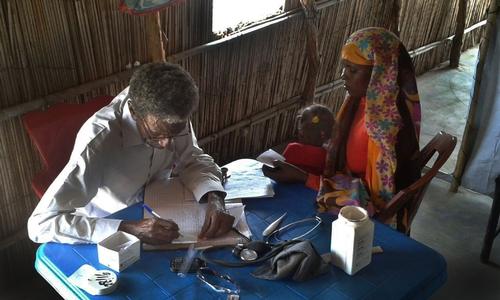
Patient being treated by MSF medical staff in White Nile State in Sudan.
Sudan

Separated by borders, united by needs

MSF provides medical assistance to South Sudanese in White Nile State, Sudan Project Update - 27 Nov 2014
 
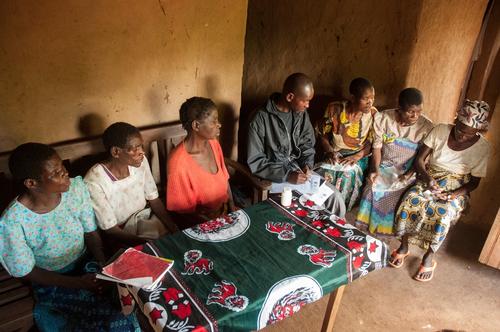
Community ART Group (CAG) member holding  her remaining pills.
In a CAG, members get together to count their remaining pills at the end of the month, as a means to check if everyone has taken their pills regularly After the pill count they will discuss about adherence and challenges they encountered. The following day.aCAG representative will go to the health cCentre to pick up the drug refill  for all group members.
HIV/AIDS

Community models of care explained

Explaining patient-centred care of HIV/AIDs, and the community models of care that support it. Project Update - 26 Nov 2014
 
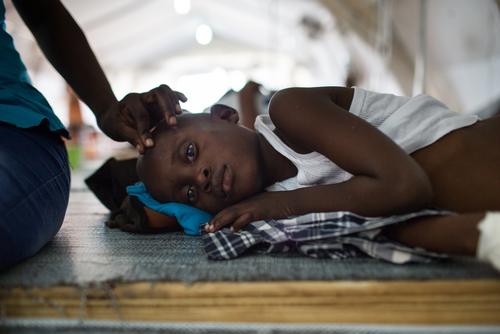
Jameson Colin (5 years old from Fontamara) has been taking in charge this morning at the CTC. Her mother daily sells vegetables in order to survive. When she found out that Jameson has become sick, she had to let her grocery at home. The taxi costs her a day of work but she will stay at the CTC as long as it's necessary
Haiti

Too few beds to treat cholera patients

More than 2000 people with symptoms of cholera have needed emergency hospitalization since mid-October in Port-au-Prince. Press Release - 24 Nov 2014
 
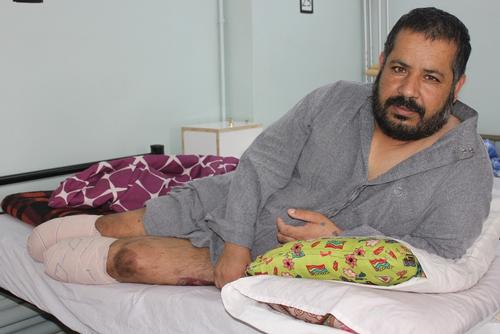
Nawaf, a 45-year-old patient:“I was blown up by a landmine while herding sheep and I lost both my legs. Two weeks later, my brother was also wounded in the same way. After four months of treatment, I tried on my prosthetics two days ago, I feel so happy. It’s a feeling that you can’t explain. I didn’t know that it would be possible. I can’t wait to go back to Syria to show my family that I can walk again.”
Jordan

A year of saving Syrian lives

Learn more about MSF's trauma surgery project on Jordan's border with Syria. Project Update - 24 Nov 2014
 
msf-placeholder
Ebola and haemorrhagic fevers

MSF staff member evacuated from Mali

A Spanish national has been evacuated from Mali to Spain following an exposure incident. Press Release - 21 Nov 2014
 
msf-placeholder
Ebola and haemorrhagic fevers

Ebola crisis update - 21st November 2014

The outbreak is currently affecting four countries in West Africa: Guinea, Liberia, Sierra Leone and Mali, and has claimed 5,420 lives. Crisis Update - 21 Nov 2014
 
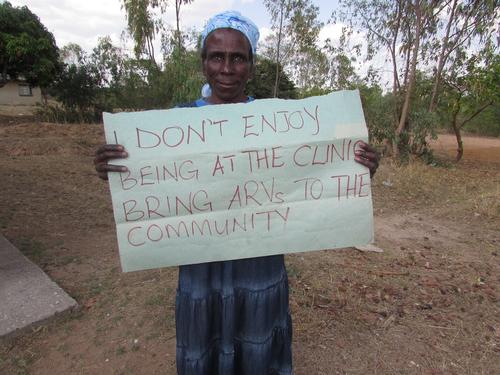
“I don’t enjoy being at the clinic. Bring ARVs to the community”
says Irene Mupini from Madzokere village, Gutu district, Zimbabwe
HIV/AIDS

Beyond the rhetoric: Implement proven community strategies to fight HIV/AIDS

The call by UNAIDS to “close the gap” around access to HIV services will not be met unless the delivery of antiretroviral treatment (ARV) is radically reshaped into community-led approaches that adapt to the realities of those living with HIV, warns the international medical organisation Médecins sans Frontières (MSF) ahead of World Aids day (December 1st). Press Release - 20 Nov 2014
 
Dr Monica Arend-Trujillo in Bo, Sierra Leone
Sierra Leone

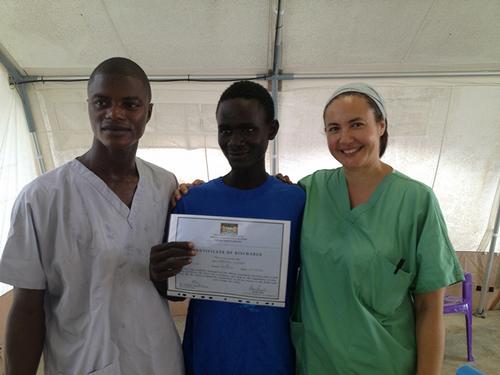
“Yesterday was a day of three miracles”

An MSF doctor recounts the heart-warming survival of three of her patients. Voices from the Field - 20 Nov 2014
 
msf-placeholder
Mali

MSF expands activities to fight Ebola outbreak

Swift and coordinated action is of paramount importance in the days immediately after new cases are reported, the medical organisation says Project Update - 20 Nov 2014
Four mothers posing in a corridor of the Hospital in Bili. All four of them are staying in the hospital with their child, that's suffering from a severe case of malaria. Since the beginning of the project in 2016, the pediatric ward already treated more than 4.000 cases of complicated/severe form of malaria.
Médecins Sans Frontières (MSF)

Independent medical humanitarian assistance

We provide medical assistance to people affected by conflict, epidemics, disasters, or exclusion from healthcare. Our teams are made up of tens of thousands of health professionals, logistic and administrative staff - most of them hired locally. Our actions are guided by medical ethics and the principles of independence and impartiality. We are a non-profit, self-governed, member-based organisation.

Learn more