



Ebola disease in DRC: find out how we're responding
Learn more
8000 Results
 
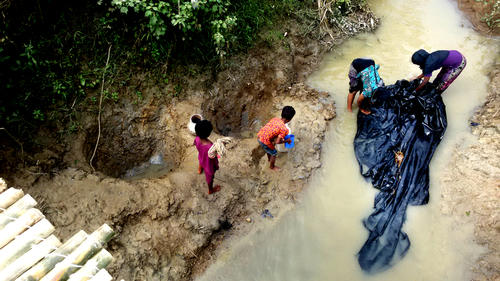
Women wash a plastic sheet, which serves as a roof for their tented shelter, in a stream polluted by rubbish and faeces in Unchiparang makeshift settlement, in Bangladesh, where 33,000 Rohyinga refugees are sheltering after fleeing violence in Myanmar. Beside the stream, children collect water from a hand-dug well. As of mid-October 2017, there is less than one litre of clean drinking water available per person per day in the settlement, which is way below international standards for emergencies.
© Paul Andrew Jabor/MSF
Rohingya refugee crisis

Needs for clean drinking water are still extreme

I have rarely seen so many people, hundreds of thousands, living in makeshift shelters, stranded in an area the size of a small European city, and with very little access to basic services. Voices from the Field - 18 Oct 2017
 
At least 164,000 people have now crossed into Bangladesh, fleeing violence in Rakhine state, Myanmar that started on 25 August. This massive influx, coming on top of 75,000 people who have arrived since violence began in October 2016, represents one of the largest influxes ever of Rohingyas into Bangladesh.
Rohingya refugee crisis

Crisis update – October 2017

Since 25 August 2017, more than 500,000 Rohingya have fled targeted violence in Rakhine state, Myanmar and crossed the border into neighbouring Bangladesh. Crisis Update - 17 Oct 2017
 
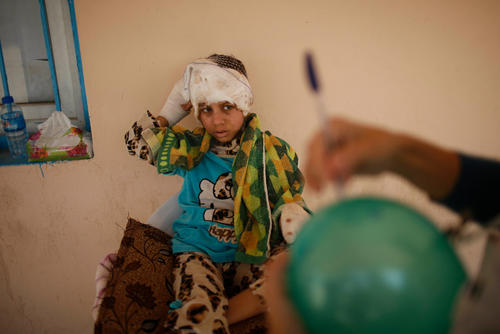
Wounded Iraqi girl Dua Nawaf, 8, who her family was killed in an airstrike in Mosul, sits at a hospital run by Medecins Sans Frontieres in Qayyara, Iraq April 6, 2017. Picture taken April 6, 2016.
Iraq

Returnees to Mosul face booby-trapped homes and destruction

“For many people, the long-anticipated return home is turning sour as they find themselves faced with daunting levels of destruction and seemingly endless misery.” Project Update - 17 Oct 2017
 
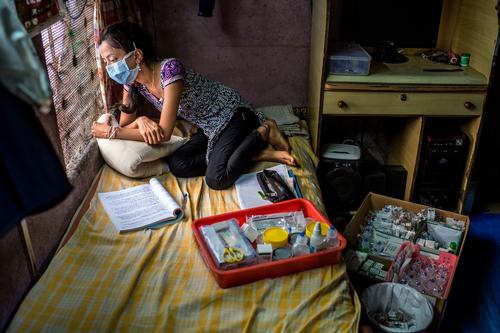
XDR-TB patient Nischaya, at home in the Ambedkar Nagar area of Mumbai, with her TB medication.

Nischaya (not real name) is 18 years old, lives in Mumbai, and is one of only a handful of extensively drug-resistant TB (XDR-TB) patients in India lucky enough to be able to have acesss to the new drugs. After having been on treatment unsuccessfully for several years, Nischaya was referred to the clinic of Medecins Sans Frontieres (MSF) / Doctors Without Borders, an international medical humanitarian organisation who since 2006 provides free diagnosis, treatment and support to patients with drug-resistant TB in Mumbai.
Access to medicines

People still being denied improved treatment for multidrug-resistant TB

“Delamanid gave me a second chance at life and I wish that these tablets could be made available to the many people who are struggling with drug-resistant TB.” Press Release - 13 Oct 2017
 
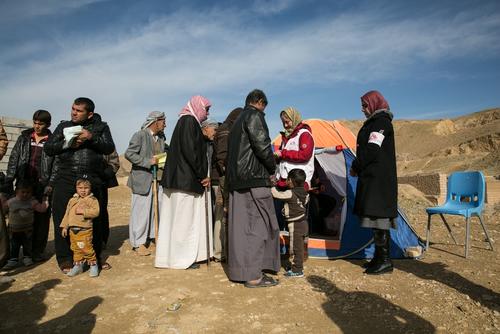
Once a week MSF mobile medical teams serve the small settlement south of the town of Tuz Kurmato in  Salaheddin governorate where 4000 displaced people have been living for the last year and a half after their village, a few miles away, became engulfed in violent fighting. Female and male medical staff provide general health care with special focus on chronic diseases, mother and child care as well as mental health support. The community is afraid to travel around in this highly militarized area, particularly men, and are reluctant to see medical care in close by urban settlement such as Tuz Kurmato or Kirkuk.
Iraq

Hawijah offensive pushes nearly 14,000 people to neighbouring districts

“Fleeing Hawijah was so dangerous that people call it the road of death.” Project Update - 12 Oct 2017
 
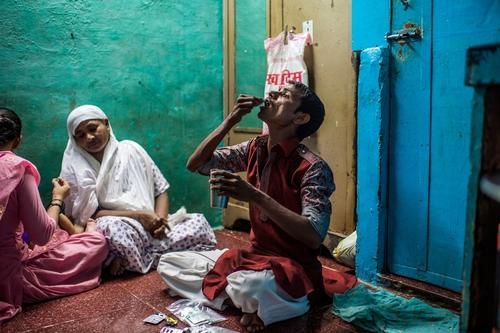
XDR-TB patient Hanif, taking his daily TB medication at home in the Govandi area of Mumbai.

Hanif is 25 years old, lives in Mumbai, and is one of only a handful of extensively drug-resistant TB (XDR-TB) patients in India lucky enough to be able to have acesss to the new drugs. After having failed treatment for the fourth time, Hanif was referred to the clinic of Medecins Sans Frontieres (MSF) / Doctors Without Borders, an international medical humanitarian organisation who since 2006 provides free diagnosis, treatment and support to patients with drug-resistant TB in Mumbai.
Access to medicines

Issue Brief: Four years and counting

We examine current opportunities to optimise MDR-TB treatment and to address the persistent access challenges that put treatment out of reach for people struggling to survive this deadly disease.
msfaccess.org - 10 Oct 2017
 
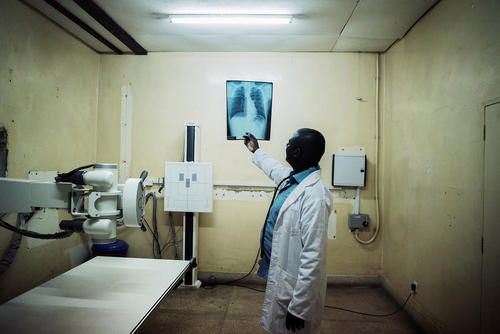
MALAWI. June 30, 2017. Patrick Chipungu, 51 years, an MSF clinician looks at Simbazako Thove's X-Ray. Simbazako is 19 years and HIV and TB positive.
Access to medicines

MSF at the 48th Union World Conference on Lung Health

The 48th Union World Conference on Lung Health takes place in Guadalajara, Mexico, on 11-14 October 2017. Follow on social media using the hashtag: #UnionConf Event - 10 Oct 2017
 
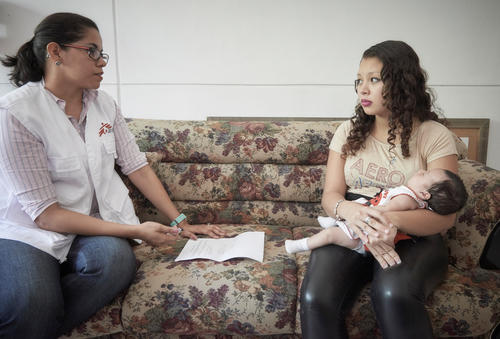
Most of MSF’s patients are young women. “We see a lot of teenagers aged from 15 to 17, who come for antenatal consultations,” says Dr Diana. “Often they are referred to us from other health centres, because we are the only medical public facility opened 24 hours”.
Honduras

“We have gone from seven deliveries each month to more than 30”

“We are working alongside the Ministry of Health and the municipal authorities, and this is a great success in itself: all parties working together to provide care for the region’s women”. Project Update - 10 Oct 2017
 
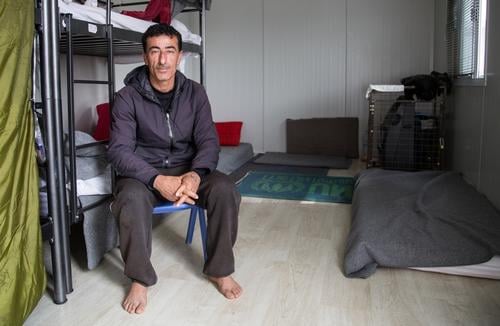
Portrait of Nouri, 40 Years old from Syria
 
Nouri and his wife decided to flee Syria to save their 4 children from the war. After a few months in Turkey they took the trip 9 times to reach Greece.

“On the 22nd of July we arrived in Greece. Since I arrived in Greece, I felt as if I was born again, all the suffering I forgot, but unfortunately again, not as we expected…I don't know until this moment if we are staying, if we are going… we are like in a prison.”
Greece

EU border policies fuel mental health crisis for asylum seekers

“These people have survived bombing, extreme violence and traumatic events in their home countries or on the road to Europe.” Report - 10 Oct 2017
 
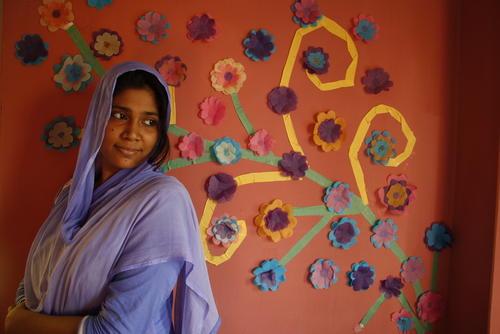
"During my counselling, some patients burst into tears and find it difficult to stop," says Leah, a counsellor at the MSF women's health clinic in Kamrangirchar, a slum in the south of Dhaka. "When I manage to calm her spirits down, then she begins to trust me and starts sharing everything with me. In those times, I feel that I have successfully done my duty." In 2016, the MSF team in Kamrangichar, a slum in the south of Dhaka, provided medical and psychological support to 535 victims of sexual violence and intimate partner violence. In 2017, the numbers are set to be even higher.
Bangladesh

"Now, no one can abuse me" - Counselling for survivors of sexual and gender-based violence

“We see lots of cases where young women are being abused by their intimate partner and other family members, and it makes them really at risk of developing mental health disorders.” Voices from the Field - 10 Oct 2017
Four mothers posing in a corridor of the Hospital in Bili. All four of them are staying in the hospital with their child, that's suffering from a severe case of malaria. Since the beginning of the project in 2016, the pediatric ward already treated more than 4.000 cases of complicated/severe form of malaria.
Médecins Sans Frontières (MSF)

Independent medical humanitarian assistance

We provide medical assistance to people affected by conflict, epidemics, disasters, or exclusion from healthcare. Our teams are made up of tens of thousands of health professionals, logistic and administrative staff - most of them hired locally. Our actions are guided by medical ethics and the principles of independence and impartiality. We are a non-profit, self-governed, member-based organisation.

Learn more