



Ebola disease in DRC: find out how we're responding
Learn more
4634 Results
 
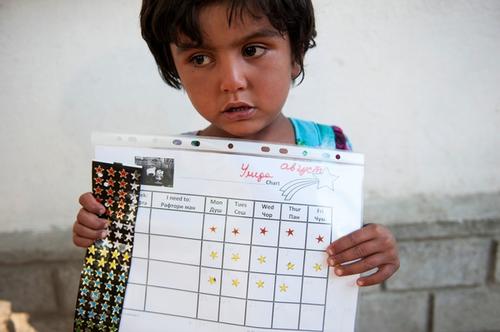
5-year-old Umeda has MDR-TB. Here she holds up her star chart. She gets a sticker every time she takes her medicine properly. Treating young children with MDR-TB can be very difficult and incentives like these are used to help them take the drugs they need during their treatment.
Tuberculosis

Ready, set, slow down: New and promising DR-TB drugs are grabbing headlines but not reaching patients

Fewer than 1,000 people worldwide have been able to access the two new TB drugs – just a fraction of those who desperately need them. Project Update - 23 Mar 2015
 
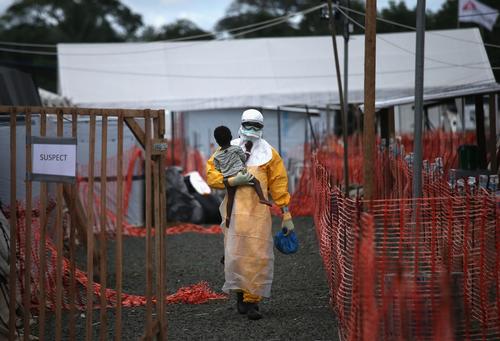
A Doctors Without Borders (MSF), health worker in protective clothing carries a child suspected of having Ebola in the MSF treatment center on October 5, 2014 in Paynesville, Liberia. The girl and her mother, showing symptoms of the deadly disease, were awaiting test results for the virus. The Ebola epidemic has killed more than 3,400 people in West Africa, according to the World Health Organization.  (Photo by John Moore/Getty Images)
Ebola and haemorrhagic fevers

Ebola: Pushed to the limit and beyond

MSF releases a critical analysis of the global Ebola response one year into the deadliest outbreak in history. Report - 23 Mar 2015
 
msf-placeholder
Yemen

MSF receives over 60 patients after Aden clashes

It is crucial that all parties to the conflict facilitate unhindered access of patients and ambulances to health structures. Press Release - 20 Mar 2015
 
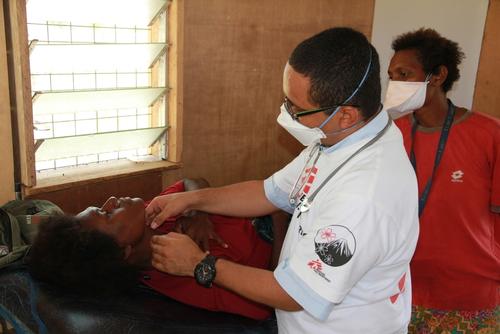
Dr Alexander Pieto attends to patients in the Malalaua TB OPD.
Tuberculosis

Leading medical organisations team up to bring new TB treatments to those in need

endTB will provide access to new anti-TB drugs for more than 3,000 people and run clinical trials to identify safer and more effective treatments. Press Release - 19 Mar 2015
 
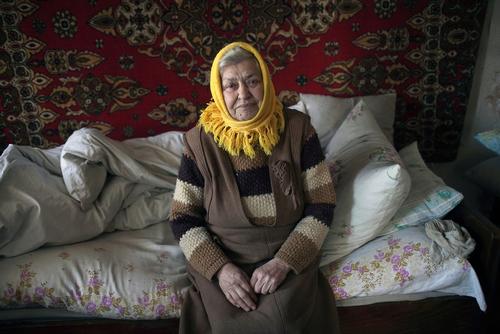
Antonyna, 79, in her home in the village of Kuteynikovo, Donetsk region., where MSF runs a mobile clinic. She has many health problems and has not received her pension for more than eight months so can’t afford to buy medicines. Before MSF gave her the necessary medications, she was using plants to treat herself. 
--
The village’s doctor was moved to another town when the conflict began so the community has been without a regular doctor for months. The local pharmacy is closed because it has not been possible to getNow an MSF doctor visits twice a week to provide free consultations and medicines.
Ukraine

Patient and staff testimonies from Lugansk and Donetsk

Antonyna, 79, lives in Kuteyniekovo, Donetsk region, where MSF runs a mobile clinic. Voices from the Field - 19 Mar 2015
 
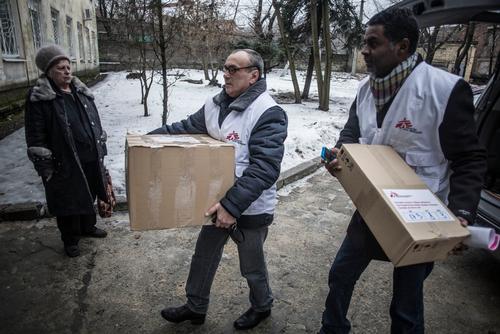
MSF staff deliver medicines, to treat chronic diseases, to Hospital no.6 in Donetsk, Ukraine.
Ukraine

Reaching the vulnerable

Photo Story - 19 Mar 2015
 
msf-placeholder
India

Indian generic companies should reject Gilead’s controversial hepatitis C ‘Anti-Diversion’ programme

Programme could compromise patient treatment and privacy rights. MSF releases briefing note on Gilead’s anti-diversion programme and analysis of company’s license agreement.
Press Release - 19 Mar 2015
 
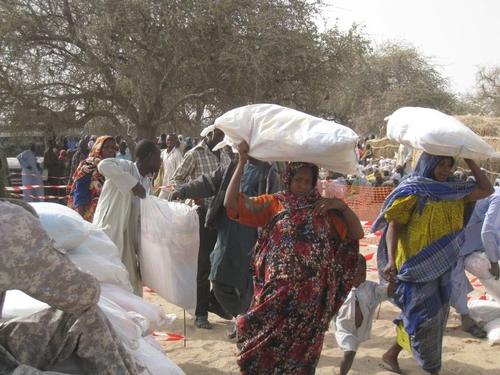
Chad - Distribution of hygiene and shelter kits to people displaced by Boko Haram attacks
Chad

Thousands of Nigerian refugees seek safety

MSF begins activities to assist refugees in the Lake Chad region Project Update - 18 Mar 2015
 
msf-placeholder
Syria

Use of chlorine in an attack on a village in Northern Syria

“The air smelt of cleaning products and their clothes had the distinctive smell of chlorine.” Press Release - 18 Mar 2015
 
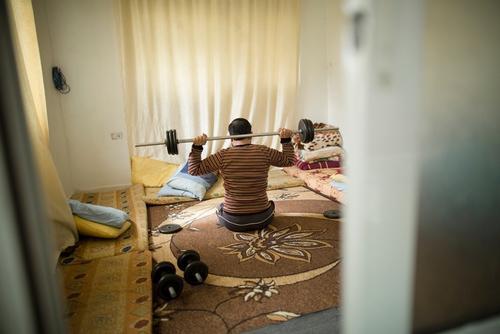
"My daily routine starts with having breakfast, working out for a bit, surfing the net, and socializing with family and friends who live close by."

Omar Al Balkhi, 29, was injured in a bomb blast in Daraa, Syria and treated at first in a field hospital. He was later transferred to the MSF War Trauma surgical project at Al Ramtha hospital in Jordan in order to undergo multiple surgeries.
Jordan

Gallery: Omar Al Balkhim, surviving the wounds of Syria

Voices from the Field - 18 Mar 2015
Four mothers posing in a corridor of the Hospital in Bili. All four of them are staying in the hospital with their child, that's suffering from a severe case of malaria. Since the beginning of the project in 2016, the pediatric ward already treated more than 4.000 cases of complicated/severe form of malaria.
Médecins Sans Frontières (MSF)

Independent medical humanitarian assistance

We provide medical assistance to people affected by conflict, epidemics, disasters, or exclusion from healthcare. Our teams are made up of tens of thousands of health professionals, logistic and administrative staff - most of them hired locally. Our actions are guided by medical ethics and the principles of independence and impartiality. We are a non-profit, self-governed, member-based organisation.

Learn more