



Ebola disease in DRC: find out how we're responding
Learn more
8000 Results
 
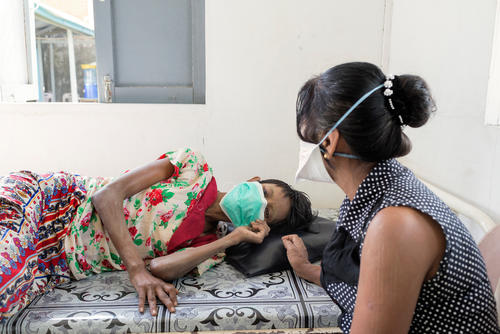
Tin Lay, 42, from Myanmar is in the preparation stage for TB treatment at MSF's Insein clinic, Yangon, Myanmar, Feb. 22, 2018.
Tuberculosis

“An obvious, urgent focus for MSF”

Dr. Francis Varaine, leader of the MSF working group on Tuberculosis, explains MSF’s priorities over the next 10 years. Voices from the Field - 22 Mar 2018
 
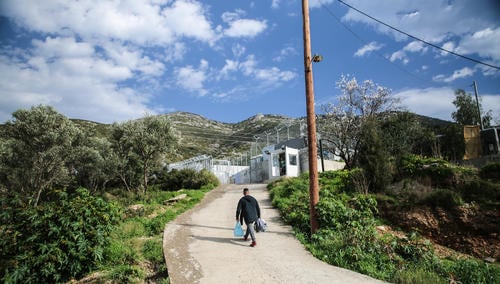
Until March 2016, thousands of people fleeing war and persecution were arriving on Greek islands every day before continuing their journeys across Europe.
However, the closure of the Balkan route and the EU deal with Turkey in March left migrants and refugees stranded, without access to basic services, adequate shelter or information on their legal status.  MSF shifted its focus from providing lifesaving surgery and medical care to people on the move to addressing the specific needs of those stuck in unsanitary camps.
Greece

"Stolen hope" – Asylum seekers still stranded in Greece

“I am a human being with emotions and passion and dreams, I am not an animal” Photo Story - 22 Mar 2018
 
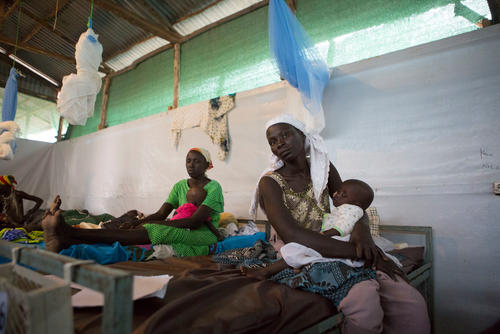
Nyajech Gathuoth ,28 and her child Lord Dal, 1 year, sit on a bed in the Kule Health Center.
Ethiopia

War-weary South Sudanese find emergency medical care

Since it began in December 2013, the conflict in South Sudan has forced over two million people from their homes. For those living in the east of the country, the refugee camps in Ethiopia’s Gambella Region offer the best sanctuary. Voices from the Field - 21 Mar 2018
 
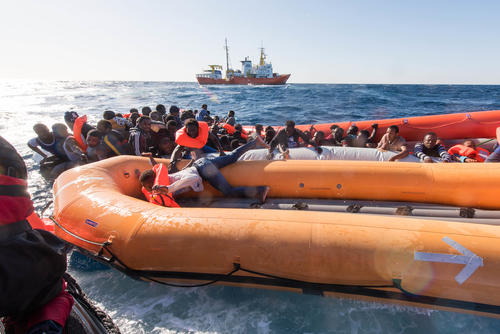
In a nightmarish day on the Mediterranean yesterday, 99 survivors from a sinking rubber boat were rescued by the Aquarius, a search and rescue vessel run by Médecins Sans Frontières (MSF) and SOS MEDITERRANEE, but an unknown number of men, women and children are missing, presumed drowned. Two women are confirmed dead.

“The scene was devastating, with many urgent medical cases in quick succession. They just kept coming, one after another, unconscious and not breathing,” said MSF nurse Aoife Ni Mhurchu. 

Dozens of people were already in the sea when the Aquarius arrived at the scene around 9.30am, and the rubber boat was already deflating. All floating devices were deployed from Aquarius, rafts were launched and the rescue team started pulling people from the sea. 

The MSF medical team on board the Aquarius resuscitated six young children, and one woman. Despite their best efforts they were unable to resuscitate two other women who had drowned. 

“It is absolutely heartbreaking. These women were mothers. We’re now trying to care for their very young children who remain onboard Aquarius” said Ni Mhurchu.

All medical emergencies together with their caretakers were evacuated from Aquarius by an Italian Navy Helicopter to Sfax, Tunisia – a total of sixteen people. This included all six resuscitated children and several women with water on their lungs. The MSF medical team also treated many severe fuel burns, as well as over a dozen mild to moderate hypothermia cases. Many survivors were disorientated and confused as a result of inhaling fuel which had leaked into the rubber boat.
Mediterranean migration

European governments are obstructing lifesaving rescues and returning people to unsafe Libya

MSF calls out Italian and other European governments, condemning all actions which prevent lifesaving rescue operations in the Central Mediterranean and that return people to Libya. Statement - 21 Mar 2018
 
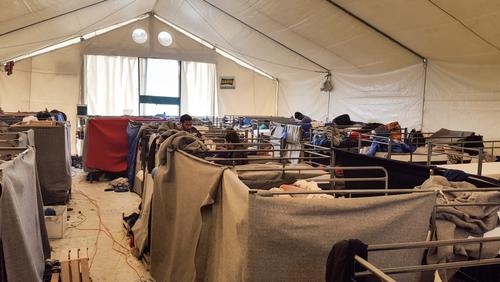
Eighty refugees and migrants from Bangladesh and Pakistan live inside this large accommodation tent.
Türkiye

Two years on, deal continues to fail thousands of people seeking asylum

We will not stop demanding that the EU and the Greek authorities end this cynical strategy of containment, to stop further damaging the health of our patients and respect their dignity. Statement - 16 Mar 2018
 
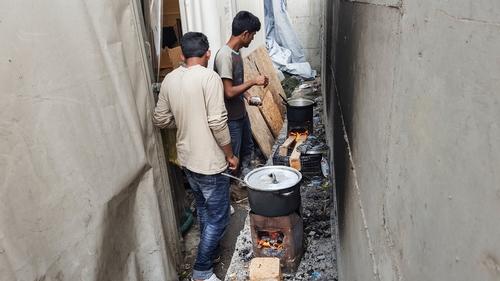
Aiful 25 years old from Bangladesh prepares food outside a large accommodation tent.

Sail was a taxi driver in his country. After some political issues he fled to Iraq. Because of the war he wasn’t able to stay there and he went to Turkey where he was tortured. He decided to reach Greece, and he arrived in Lesvos on July 2016. He has been living in Moria camp since 8 months.

“…here we are really scared for what they decide for us, many of us are getting reject answer from asylum department and after they’ll send us back to turkey, and turkish forces keep us for two years in prison so we are voluntarily returning back to our country, even if our life are in danger…this is totally torturing our mind and life.”
Greece

MSF activity update – March 2018

MSF has been providing medical and humanitarian assistance to asylum seekers and migrants in Greece since 1996. In 2014, MSF expanded its activities in Greece to meet the needs of asylum seekers arriving on the Greek islands and mainland from Turkey. Project Update - 16 Mar 2018
 
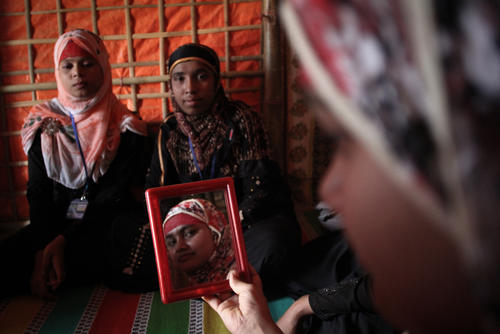
MSF has trained an all-female team to spread messages about sexual and reproductive health in the community. MSF believes the cases it receives represent just a fraction of the actual number of Rohingya who have survived sexually assault or rape. Survivors are often reluctant to seek services because of the shame and stigma associated with sexual assault, and in general knowledge about the medical consequences of sexual violence is very limited. The team works to improve people’s knowledge and to highlight the medical and psychological support available to them.
Rohingya refugee crisis

Crisis update - March 2018

More than six months into the beginning of the latest Rohingya exodus, people continue to flee from Myanmar into Bangladesh fearing for their lives and seeking safety. A total of 3,236 refugees are reported to have entered Bangladesh in February alone. Crisis Update - 15 Mar 2018
 
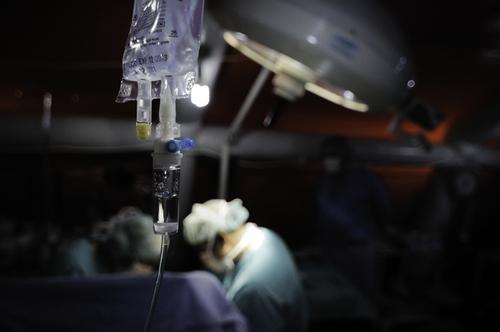
An inflatable operating theatre is erected inside this MSF makeshift hospital in Syria (a converted chicken farm) as it is an efficient way to maintain a sterile environment. Surgeon Steve Rubin operating.
Syria

The voice from the hospital basement in East Ghouta

‘This has to end, we cannot continue to watch children die.’ Statement - 15 Mar 2018
 
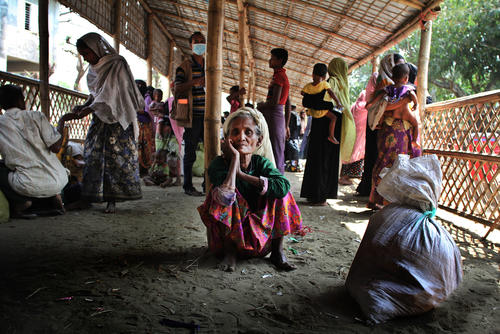
Subi Katum, 70, arrives near Sabrang on the Bangladeshi side of the Naf river after crossing the border from Myanmar on 7 March 2018.

“My husband was killed and my daughter’s husband disappeared. Many people have been killed or are lost. I hope all of this will finish one day but I can’t tell what the future holds. Like many others, we were obliged to abandon our villages, our houses, our land, our animals. People are desperate to leave but many don’t have any possibility. I feel exhausted and unable to walk. I haven’t eaten for three days. It’s very hard.”
Rohingya refugee crisis

“We don’t have anywhere else to go”

Having fled indescribable violence in Myanmar, Rohingya refugees in Bangladesh must now contend with new dangers: precarious living conditions, the upcoming rainy season and fears for personal safety after dark. Voices from the Field - 15 Mar 2018
 
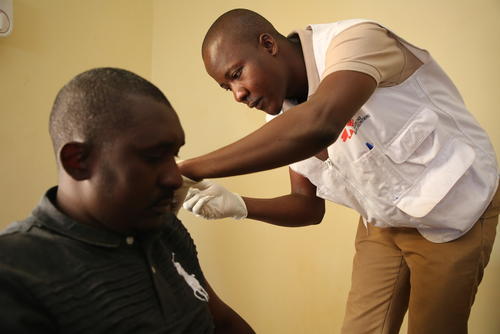
MSF staff giving vaccinations in Douentza.
Mali

Medical services in northeastern Mali

Photo Story - 13 Mar 2018
Four mothers posing in a corridor of the Hospital in Bili. All four of them are staying in the hospital with their child, that's suffering from a severe case of malaria. Since the beginning of the project in 2016, the pediatric ward already treated more than 4.000 cases of complicated/severe form of malaria.
Médecins Sans Frontières (MSF)

Independent medical humanitarian assistance

We provide medical assistance to people affected by conflict, epidemics, disasters, or exclusion from healthcare. Our teams are made up of tens of thousands of health professionals, logistic and administrative staff - most of them hired locally. Our actions are guided by medical ethics and the principles of independence and impartiality. We are a non-profit, self-governed, member-based organisation.

Learn more