



Ebola disease in DRC: find out how we're responding
Learn more
4634 Results
 
Mobile clinic in Bianga (CAR)
Central African Republic

Emergency team finishes 3 month intervention in Kouango after performing almost 1,500 consultations

Following a three-month presence in Kouango in the south of the country, Médecins Sans Frontières (MSF) has now ended its emergency intervention for displaced people in the area. During that time, the MSF emergency team carried out more than 1,100 medical examinations in its mobile clinics and cared for 362 patients in Kouango hospital. Project Update - 14 Jul 2015
 
msf-placeholder
Niger

critical situation in Diffa as hunger gap and malaria season approach

The already fragile condition of the population in Diffa has recently been aggravated by the escalation of the on-going armed conflict in southern Niger. The area bordering north Nigeria is facing new waves of displaced people and refugees escaping the violence raging around Lake Chad, especially since last February when the conflict spread to Niger. Living conditions are critical, with the displaced population having little access to healthcare and safe water. Project Update - 14 Jul 2015
 
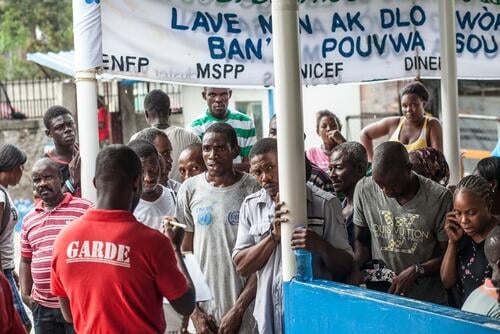
Visitors wait for their visitor passes at MSF’s Centre de Référence en Urgence Obstétricale
(CRUO) in Port-au-Prince, Haiti, October 19, 2015. Photo by Shiho Fukada for Médecins Sans Frontières
Haiti

Reconstruction of the health sector in Haiti: a missed opportunity?

This article looks at the state of reconstruction of the health sector in Haiti. Journal article - 13 Jul 2015
 
msf-placeholder
Belgium

Countries, beware: Climbing up the income ladder can seriously damage your health!

"Development aid medicine will not work if the prescription is based on a faulty diagnosis" says Meinie Nicolai, President of MSF’s Brussels Operational Centre Voices from the Field - 13 Jul 2015
 
Graduation to become a middle income country might bring extra headaches for ministries of health. Market logic gains importance, also in health. Health services, medical supplies and medicines have to be procured at higher costs. Tighter trade regulations apply with states put under economic and political pressure (from richer countries, donors, and pharmaceutical companies alike). This is especially true for countries upgraded to Middle Income Country status. 
Additionally, these countries face a significant reduction in international aid regardless the outstanding needs. This double negative effect creates gaps in health care. Often NGOs including MSF are asked to step in to help to fill the gaps.
Global health

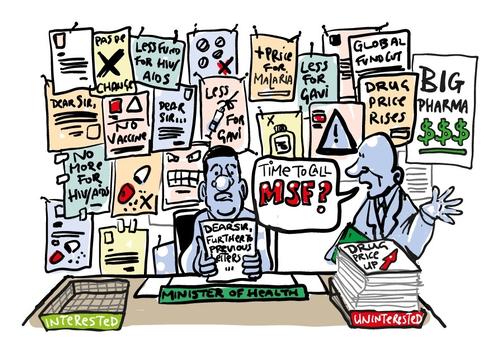
Gallery: Financing for Development Conference

14 cartoons depicting a range of issues of the current dominating approach in development debate. Photo Story - 10 Jul 2015
 
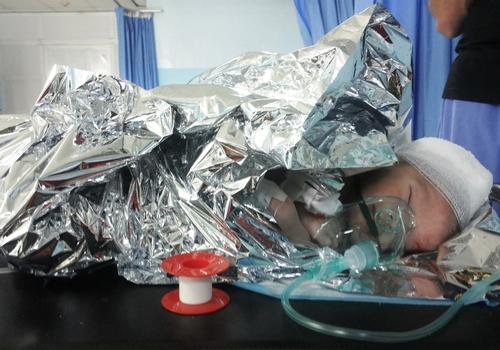
Majed, 27-day old new-born, arrived at MSF surgical project in Ramtha with a head injury due to an explosive barrel bomb
Jordan

Dramatic increase in Syrian patients wounded by barrel bombs at surgical project in northern Jordan

“More than 70% of wounded we receive suffer from blast injuries, and their multiple wounds tell their stories,” said Renate Sinke, Project Coordinator of MSF Ramtha Emergency Surgical Programme. Press Release - 9 Jul 2015
 
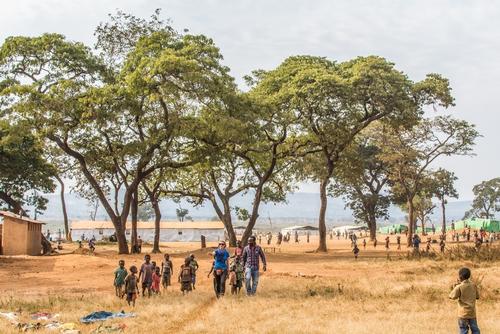
A general view of the  Nyaragusu refugee camp in Tanzania.

MSF began activities in the camp in Nyarugusu camp in Tanzania in mid-May in response to a mass influx of thousands of refugees from Burundi, fleeing political unrest. The camp, in existence for 19 years and originally home to 64,000 Congolese refugees, is now stretched to capacity. Since the latest influx from Burundi, the camp’s population has swelled to 130,000 and is growing every day.  Refugees are arriving to overcrowded conditions, and face a lack of shelter and water as well as poor sanitation.
Tanzania

Services in Nyarugusu refugee camp ‘stretched beyond their limits’

"Now, as organisations are stretched beyond their limits as they try to cope with the increase of people arriving on a daily basis, this vulnerable population is more at risk. Reduced access to water, sanitation, shelter and healthcare puts them at a high risk of communicable and preventable diseases. Action needs to happen now, before the situation deteriorates even further.” Voices from the Field - 8 Jul 2015
 
Testimonies + Photos from Gaza - between 30 March and 22 April 2015 - See the word document for captions
Palestine

Testimonies from MSF patients in Gaza

Testimonies from MSF patients from Gaza - between 30 March and 22 April 2015. Voices from the Field - 8 Jul 2015
 
msf-placeholder
Colombia

Humanitarian needs increase following the latest violent upsurge

"The humanitarian needs in the area continue to increase, and a mobile emergency response team is already on the ground to strengthen our regular teams in the area", explains Pierre Garrigou, general coordinator of MSF in Colombia. Press Release - 8 Jul 2015
 
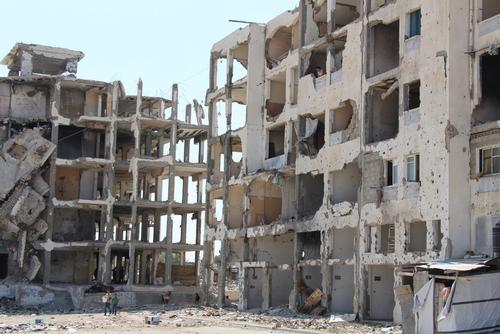
Beit Hanoun, Shuja’iya (according to the UN: Reconstruction of over 12,580 housing units totally destroyed has yet to start, prolonging the hardship of some 100,000 internally displaced people 100,000 people who lost their homes in the Gaza strip remain internally displaced and 120,000 people still have no access to public water.) Beit Hanoun, northeastern Gaza Strip, one of the hardest hit areas during the 2014 summer war, near Erez crossing, during the last war partly or fully destroyed houses, partly with makeshift extensions, giving refuge to families from there or the neighbourhood who lost their homes.
Palestine

Gaza, one year after, Palestinians still suffocated by Israeli occupation

“Eight-year-old children in Gaza have known nothing but the blockade and war since they were born,” says Erwan Grillon, MSF’s head of mission for Gaza and the West Bank. “And they’ve already lived through four offensives, two of which were absolutely devastating and indiscriminately killed a shocking number of civilians. The majority of our patients who still require war-related surgeries and physiotherapy are children under 18.” Press Release - 8 Jul 2015
Four mothers posing in a corridor of the Hospital in Bili. All four of them are staying in the hospital with their child, that's suffering from a severe case of malaria. Since the beginning of the project in 2016, the pediatric ward already treated more than 4.000 cases of complicated/severe form of malaria.
Médecins Sans Frontières (MSF)

Independent medical humanitarian assistance

We provide medical assistance to people affected by conflict, epidemics, disasters, or exclusion from healthcare. Our teams are made up of tens of thousands of health professionals, logistic and administrative staff - most of them hired locally. Our actions are guided by medical ethics and the principles of independence and impartiality. We are a non-profit, self-governed, member-based organisation.

Learn more