



Ebola disease in DRC: find out how we're responding
Learn more
4633 Results
 
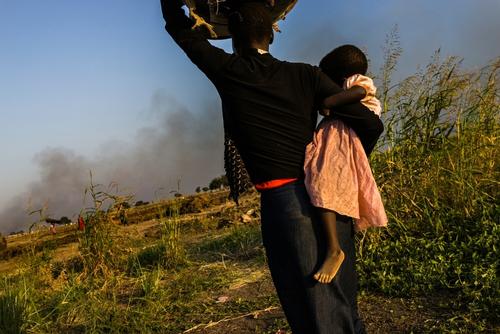
Nakoch Tiek Koal (23) carries her one and a half year old daughter, Nyachot Gatluok, and a basket with her six month old boy, after walking for two days to reach the UN Protection of Civilians site in Bentiu.
South Sudan

Leer population take shelter from violence in the MSF compound

MSF asks the local authorities to take immediate action to ensure protection of civilians in Leer and other conflict affected areas of South Sudan. Statement - 16 Mar 2016
 
MSF shirt with logo
Since 2002, MSF has worked to provide comprehensive care to those living with HIV/AIDS in the Nchelenge district of Luapula Province in northeastern Zambia. One in four people is estimated to be infected with HIV in Nchelenge, and many have minimal access to medical care. 
In addition to education and prevention, decentralized voluntary counseling and testing, care and treatment of opportunistic infections, MSF began treatment with life-extending antiretroviral medications (ARVs) in February 2004.
Humanitarian challenges

Volunteers and responsibility for risk-taking: Changing interpretations of the Charter of Médecins Sans Frontières

MSF's Research Unit on Humanitarian Stakes and Practices (UREPH) is pleased to announce the publication of the article "Volunteers and responsibility for risk-taking: Changing interpretations of the Charter of Médecins Sans Frontières" by Caroline Abu Sa'Da and Xavier Crombé, published in the International Review of the Red Cross. Journal article - 14 Mar 2016
 
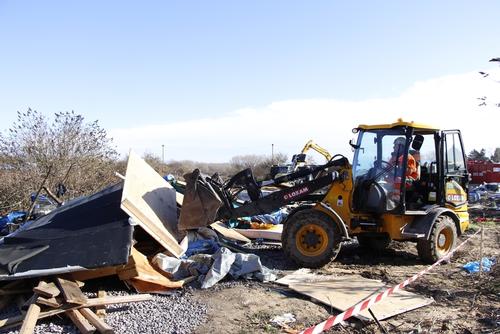
Refugees in calais' Jungle are being squeezed from the south of the camp and pushed further north. The areas left with nobody are being bulldozed.
France

Anger, loss as French police raze Jungle camp

“The French police have no humaneness. And if the police take away all the Jungle, we will make a new Jungle somewhere,” said Ahmad, from Darfur, Sudan. Project Update - 14 Mar 2016
 
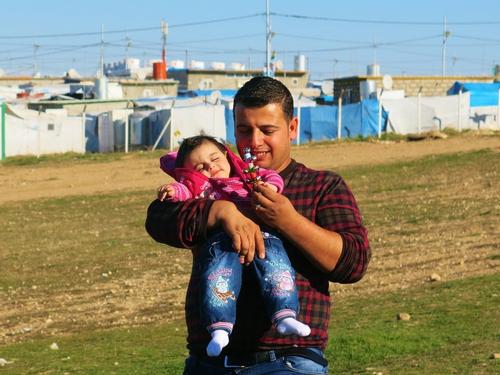
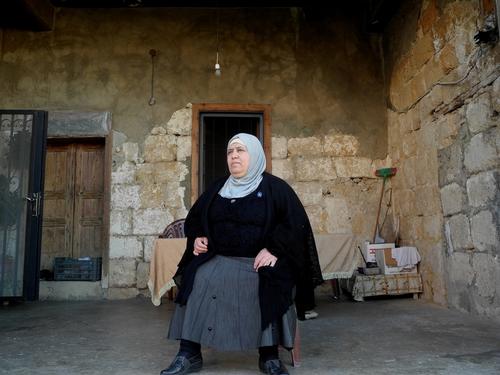
Suar absconded from military service in Syria and made a run for Iraqi Kurdistan, a journey that involved people smugglers, minefields and the loss of his most precious
possessions.
Syria

My story could easily be the plot of a movie

Suar, a Kurdish refugee from Syria, describes his journey that involved people smugglers, minefields and the loss of his most precious possessions. Now settled in Domeez camp, where he works for MSF as a nurse, Suar is upbeat about the opportunities afforded him by life as a refugee. Voices from the Field - 14 Mar 2016
 
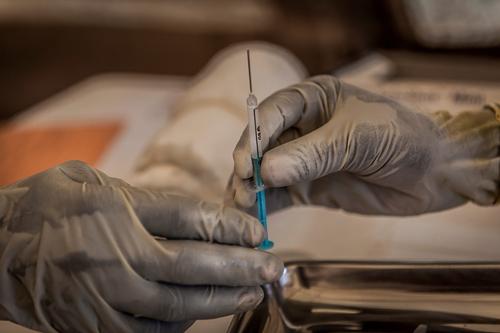
Sudanese refugees began streaming across the border into South Sudan in June 2011 when conflict erupted between the Khartoum government and the rebels of the Sudan People’s Liberation Movement-North (SPLM-N) in Sudan’s South Kordofan State. At the height of the crisis in Yida camp last summer, high mortality rates were reported among young children admitted to MSF’s hospital with respiratory tract infections, such as pneumonia, one of the leading causes of death. MSF determined that vaccinating with the pneumococcal conjugate vaccine (PCV) could result in a substantial mortality reduction in Yida. MSF has been working since September 2012 to procure PCV but faced significant delays due to lengthy negotiations and international legal procurement constraints. MSF was eventually able to obtain the vaccine from GSK at a reduced price, but delays have now pushed the planned vaccination into the logistically challenging rainy season.

The objective is to immunize approximately 5,000 children under the age of 2 against several pathogens, including haemophilus influenza type B and pneumococcus. This is the first time that PCV is being used in South Sudan and one of the first vaccines to be implemented in compliance with the new WHO emergency vaccination recommendations.
Access to medicines

MSF launches challenge to Pfizer’s patent on the pneumonia vaccine in India to increase access to more affordable versions

MSF has filed a ‘patent opposition’ in India to prevent US pharmaceutical company Pfizer from getting a patent on the pneumococcal conjugate vaccine (PCV13), so more affordable versions can become available to developing countries and humanitarian organisations. “Pneumonia kills a child every 35 seconds,” says Dr. Manica Balasegaram. “As doctors who have watched far too many children die of pneumonia, we’re not going to back down until we know that all countries can afford this vaccine.” Crisis Update - 11 Mar 2016
 
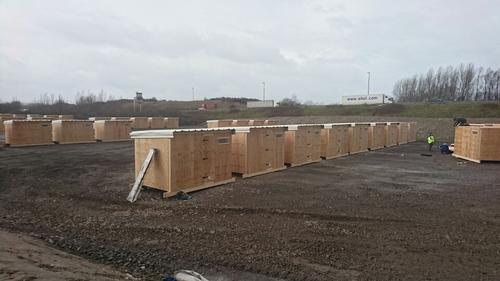
New shelters constructed by MSF in the Grande Synthe camp, before the settling of people.
France

Out of the mud and into shelters: move from Basroch camp accomplished

Between 7 and 9 March 2016, MSF, Grande Synthe municipality and various partner organisations helped the 1,300 migrants in the camp in Basroch to move to the new site known as the “Linière”. Project Update - 10 Mar 2016
 
First time today a smile illuminates Jeanine’s face, when she sees her daughter has recovered from cholera Goma camps, March 1st 2016
Democratic Republic of Congo

Suffering has been a part of my life. But I fight. I'm still standing!

Jeanine’s story is not isolated case. It is representative of the incredible will and courage of many of the women of North Kivu, who fight every day to stay standing. Voices from the Field - 10 Mar 2016
 
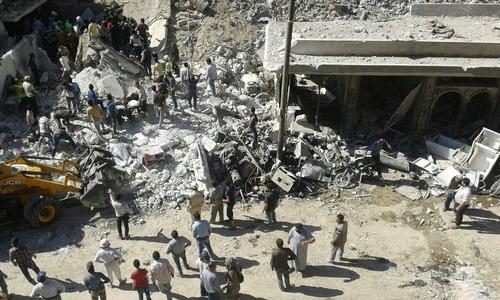
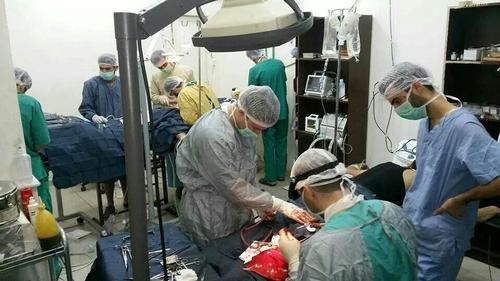
On 04 June, a missile strike hit a town centre in Idlib Governorate, northern Syria, and between 3pm and 7pm 130 wounded patients arrived at the small 12-bed facility. 80 were treated in the hospital, and 50 were referred to another medical facility as the nearest hospital became overwhelmed.  See the PR and the testimony for more info."
Syria

The fear is constant

Voices from the Field - 10 Mar 2016
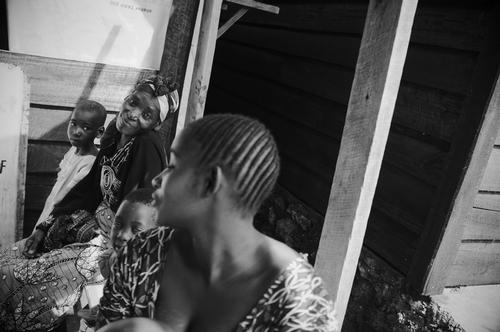
Four mothers posing in a corridor of the Hospital in Bili. All four of them are staying in the hospital with their child, that's suffering from a severe case of malaria. Since the beginning of the project in 2016, the pediatric ward already treated more than 4.000 cases of complicated/severe form of malaria.
Médecins Sans Frontières (MSF)

Independent medical humanitarian assistance

We provide medical assistance to people affected by conflict, epidemics, disasters, or exclusion from healthcare. Our teams are made up of tens of thousands of health professionals, logistic and administrative staff - most of them hired locally. Our actions are guided by medical ethics and the principles of independence and impartiality. We are a non-profit, self-governed, member-based organisation.

Learn more