



Ebola disease in DRC: find out how we're responding
Learn more
4633 Results
 
For the first time, a Médecins Sans Frontières team went to Dikwa, a town 90km from Maiduguri in Borno State, northeast Nigeria, to carry out a nutrition assessment on children under the age of 5 years. There are around 70,000 displaced people living in Dikwa, some of whom have have been living in Boko Haram controlled areas until very recently. The team recorded a 13% rate of severe malnutrition amongst those screened.
On the morning of 20th July alone, they identified 34 children who required hospitalisation and a further 663 severely malnourished cases. Due to the limited medical and transport capacity, the team was only able to evacuate the most urgent cases, who were immediatey admitted to the Gwange Inpatient Therapeutic Feeding Centre (ITFC), on the outskirts of Maiduguri.

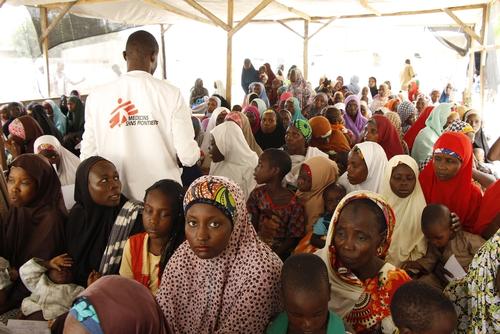
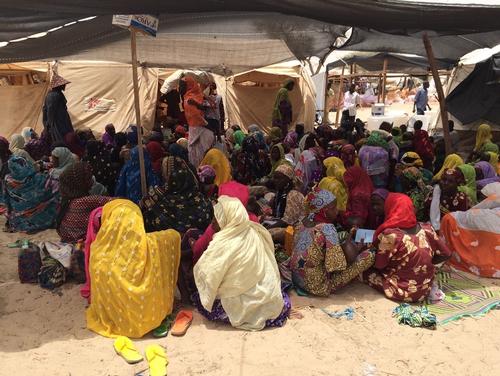
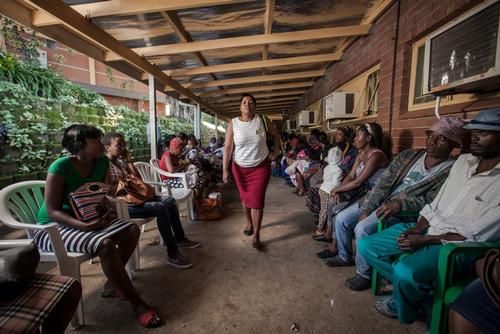
Triage in Maimusari health center. Every day, medical team is doing about 500 consultations as well as 300 prenatal consultations and 10 deliveries.
Nigeria

Crisis Info on Borno Emergency - July 2016

Crisis Update - 22 Jul 2016
 
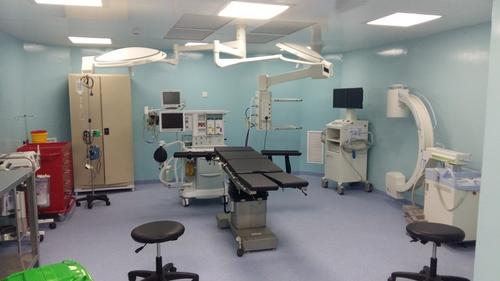
MSF opened a new surgical department within the Ramtha project to upgrade the quality of care provided to patients and to respond to these growing needs
Jordan

Working hand in hand to make a difference in Syrian lives

"Today, with the opening of this new operating department, a new stage in the life of the Ramtha surgical project is about to start," says Edgar Escalante, Surgical Focal Point, MSF Emergency Surgical Project in Ramtha, Jordan. Voices from the Field - 21 Jul 2016
 
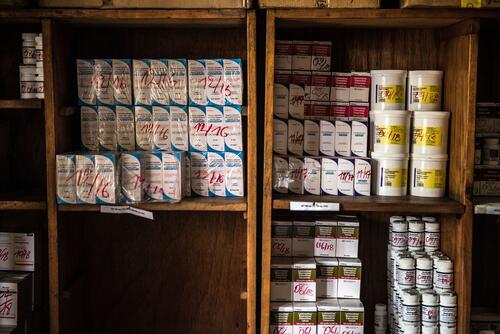
Antiretroviral drugs (ARVs) and other drugs are stacked on shelves in the PODI Ouest in Kinshasa, Democratic Republic of Congo. The PODIs, which are run by the RNOAC group of people living with HIV, offer ARVs, tests and support to stable HIV patients in the capital.
HIV/AIDS

Untangling the Web of Antiretroviral Price Reductions 18th Edition

Médecins Sans Frontières has released the 18th edition of its HIV drug pricing report, Untangling the Web of Antiretroviral Price Reductions, at the International AIDS Conference in Durban, South Africa today. Report - 20 Jul 2016
 
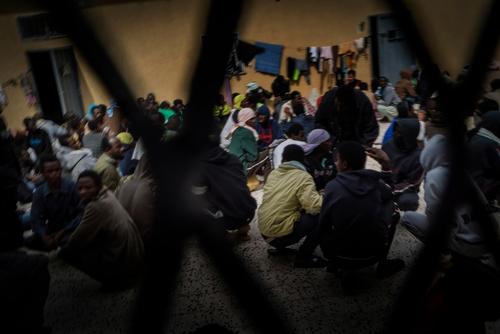
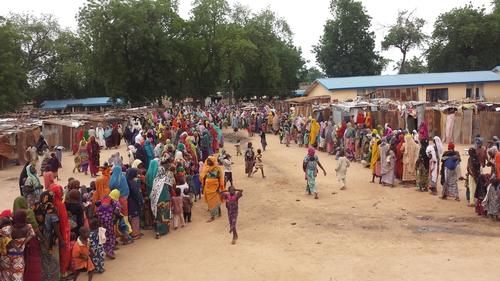
People are queuing for screening. The displaced population in Bama camp is estimated between 10 000 to 12 000 persons.
Nigeria

Health disaster in Borno State

The health situation in Borno State in northeast Nigeria is critical. At least 500,000 people who are either displaced or cut off in enclaves outside state capital Maiduguri are in urgent need of food, medical care, drinking water and shelter. “Aid agencies must deploy a massive relief operation to respond to this health disaster”, says Dr Isabelle Defourny, director of operations at Médecins Sans Frontières (MSF). Press Release - 20 Jul 2016
 
Community Care Giver Nonhlanhla Ngema passes a long queue of patients at Eshowe Gateway Clinic to pick up ARVs for members of her Community ART Group (CAG). Medecins Sans Frontieres (MSF) has been piloting CAGs as a model of care for stable HIV+ patients in rural districts of southern Africa, where HIV prevalence is at its highest. CAG members meet once every two months to review their health and arrange for collection of their ARVs without having to sit in long queues at clinics.
HIV/AIDS

MSF calls for quality HIV care in neglected communities

While significant progress has been made in South Africa since the first Durban conference in 2000, deadly and unnecessary HIV treatment gaps persist in other countries Press Release - 18 Jul 2016
 
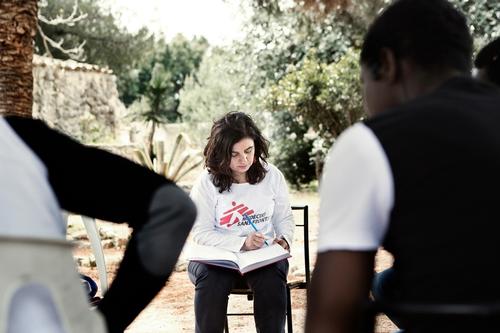
Pina, a psychologist with MSF, during a group therapy session at the Gerico CAS (Centro di seconda accoglienza – secondary reception centre). MSF provides psychological support in Sicily to help monitor migrants, refugees and asylum seekers, as often the difficulties of the journey to Europe can lead to various psychological issues.
Refugees, IDPs and people on the move

Mental health disorders in asylum seekers and migrants overlooked by inadequate reception system

A high number of migrants and asylum seekers are suffering from mental health disorders following experiences in their home countries, the trauma of the journey to Europe and due to the inadequate reception conditions in Italy, warned Médecins sans Frontieres (MSF) in a report published today. Report - 15 Jul 2016
Four mothers posing in a corridor of the Hospital in Bili. All four of them are staying in the hospital with their child, that's suffering from a severe case of malaria. Since the beginning of the project in 2016, the pediatric ward already treated more than 4.000 cases of complicated/severe form of malaria.
Médecins Sans Frontières (MSF)

Independent medical humanitarian assistance

We provide medical assistance to people affected by conflict, epidemics, disasters, or exclusion from healthcare. Our teams are made up of tens of thousands of health professionals, logistic and administrative staff - most of them hired locally. Our actions are guided by medical ethics and the principles of independence and impartiality. We are a non-profit, self-governed, member-based organisation.

Learn more