



Ebola disease in DRC: find out how we're responding
Learn more
8000 Results
 
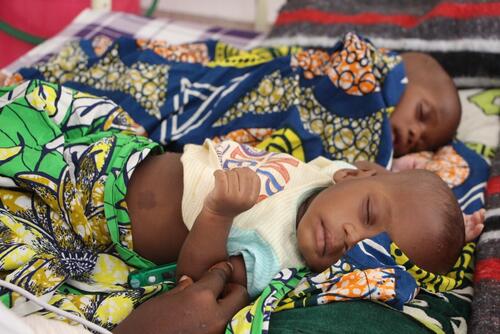
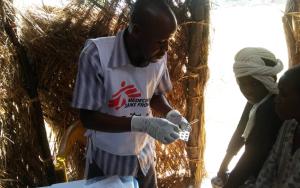
In Fori, in the south of the state capital Maiduguri, MSF runs an inpatient therapeutic feeding centre (ITFC) with more than 70 beds. The centre opened in January 2017 and treats severely malnourished children with medical complications such as tuberculosis, cerebral malaria, acute watery diarrhoea and respiratory tract infections. Severely malnourished children without medical complication and children with moderate acute malnutrition are enrolled in MSF’s outpatient feeding programme, which admits 130-300 children each month. From January to June 2019, MSF provided inpatient nutritional treatment for 1,161 children, ambulatory nutritional treatment for 1,216 children, and treated 1,436 patients with malaria and 555 with measles.
Nigeria

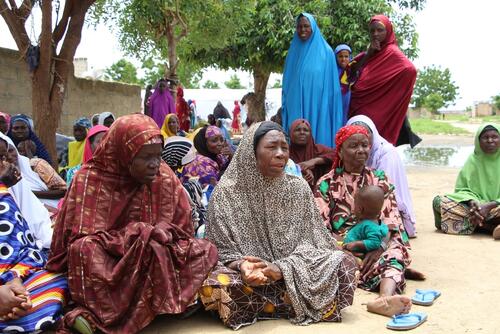
Children in displacement camps need immediate protection

Severine Courtiol Eguiluz, MSF advocacy manager in Nigeria, talks about the urgent needs of displaced people, especially children who have lived most of their lives in the protracted conflict that broke out in northeast Nigeria a decade ago. Voices from the Field - 13 Aug 2019
 
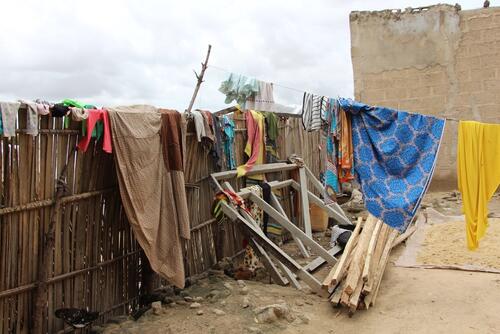
Maiduguri, the capital city of Borno state, hosts around one million displaced people from across the region. Many of them live in the camps informally set up where basic needs such as shelter, food, hygiene facilities and healthcare are insufficient and people are living in dire conditions.
Nigeria

Crisis Info: Borno and Yobe states, August 2019

Read the latest update on the crisis unfolding in northeast Nigeria after a decade of conflict and MSF’s response. Crisis Update - 13 Aug 2019
 
Maiduguri, the capital city of Borno state, hosts around one million displaced people from across the region. Many of them live in the camps informally set up where basic needs such as shelter, food, hygiene facilities and healthcare are insufficient and people are living in dire conditions.
Nigeria

Ten years and counting: Needs in northeast Nigeria remain dire after a decade of conflict

The decade-long conflict in northeast Nigeria is far from over and hundreds of thousands of people remain entirely dependent on humanitarian aid for survival. Project Update - 12 Aug 2019
 
A doctor tends to a patient in Aden, Yemen, 1 August 2019.
Yemen

Hospital in Aden overwhelmed by wounded in intense fighting

In less than 24 hours, Médecins Sans Frontières has treated 119 people in its hospital in Aden, Yemen, and the wounded continue to pour in. Press Release - 10 Aug 2019
 
MSF staff providing treatment
Niger

MSF teams forced to leave Maïné Soroa after two years

After two years working in Maïné Soroa, in Diffa region, northeastern Niger, teams have been forced to leave after a number of security incidents. Head of Mission, Abdoul-Aziz O. Mohammed, explains more. Interview - 9 Aug 2019
 
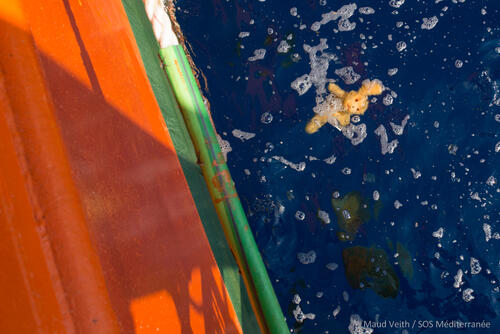
The Aquarius and its 58 survivors spent five days waiting in international waters off the coast of Malta under poor weather conditions. On Sunday morning, 30 September 2018, the strong winds and choppy water finally abated and allowed for the safe and secure transfer of all 58 people – and a dog – to Maltese authorities. The survivors were then disembarked in Malta and will be distributed to four European countries in the coming days: France, Germany, Portugal and Spain.

Following the transfer, the Aquarius set course for Marseille, France in order to address its flag registration after the news a week prior that Italy had pressured Panama into removing the Aquarius from its register. Without the Aquarius, there are no search & rescue vessels in the area to conduct rescue operations and witness to the grave humanitarian needs on the Central Mediterranean. Meanwhile, people continue to flee Libya and die attempting to cross the world’s deadliest maritime route.
Mediterranean migration

Europe must act now to end preventable deaths in Libya and at sea

MSF International President Dr Joanne Liu implores European leaders to find better solutions to prevent people dying, trapped in Libyan detention centres, or from drowning at sea. Op-Ed - 6 Aug 2019
 
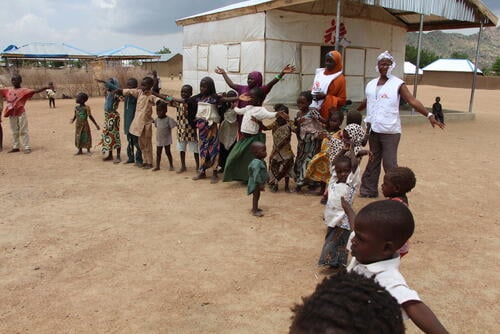
Many children in Pulka have experienced very distressing situations – such as losing parents and relatives to the violence and witnessing killings. MSF’s mental health team provides indoor and outdoor recreational activities for children and encourages them to express themselves, for example in drawing sessions, to help identify who needs their support.
Nigeria

More mental health support needed for people in Pulka

Desperate living conditions and a lack of protection in Pulka, northeastern Nigeria, are exacerbating people’s acute mental health needs. Project Update - 5 Aug 2019
 
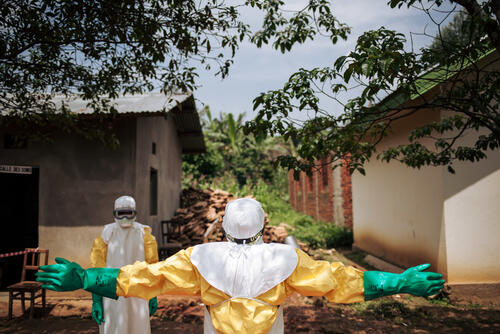
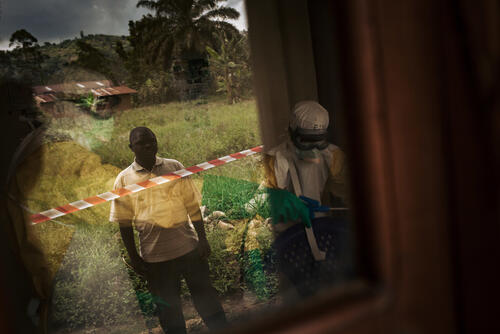
After their decontamination work, and a visit to a risk area, the men in turn are decontaminated with chlorine.

Après leur travail de décontamination, et un passage dans une zone à risque, les hommes se font à leur tour décontaminer au chlore.
DRC Ebola outbreaks

10 facts on a year of Ebola in DRC

Read some of the facts behind the Ebola outbreak in northeastern Democratic Republic of Congo, declared a year ago on 1 August 2018. Project Update - 2 Aug 2019
 
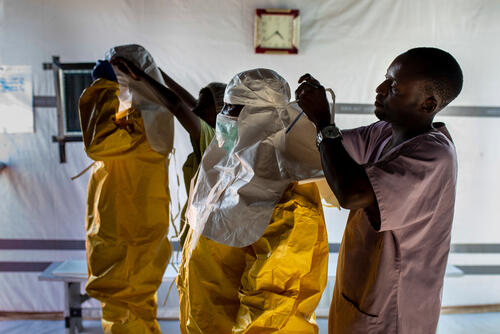
Medical and hygienist staff get dressed with the PPE to get into the high risk zone of the Ebola Transit Center in Bunia
DRC Ebola outbreaks

Tenth Ebola outbreak in DRC still rages, one year on

The Ebola outbreak in DRC, which has become the second-largest recorded anywhere and the worst on record in DRC, is still raging a year on. Trish Newport reflects on the response over the last 12 months. Voices from the Field - 1 Aug 2019
 
The laboratory technician observes the work of the teams and looks in particular at how they will succeed in disinfecting the microscope and the tools in their laboratory. Some elements such as paper will be burned because they cannot be decontaminated.

Le laborantin observe le travail des équipes et regarde notamment comment ils vont réussir à désinfecter le microscope et les outils de son laboratoire. Certains éléments comme du papier seront brûlés car impossible à décontaminer.
DRC Ebola outbreaks

DRC Ebola outbreak response struggling one year on

One year into the Ebola outbreak in northeastern DRC, response teams are struggling to stay on top of the epidemic due to a number of issues, including insecurity and a lack of trust from local people. Project Update - 31 Jul 2019
Four mothers posing in a corridor of the Hospital in Bili. All four of them are staying in the hospital with their child, that's suffering from a severe case of malaria. Since the beginning of the project in 2016, the pediatric ward already treated more than 4.000 cases of complicated/severe form of malaria.
Médecins Sans Frontières (MSF)

Independent medical humanitarian assistance

We provide medical assistance to people affected by conflict, epidemics, disasters, or exclusion from healthcare. Our teams are made up of tens of thousands of health professionals, logistic and administrative staff - most of them hired locally. Our actions are guided by medical ethics and the principles of independence and impartiality. We are a non-profit, self-governed, member-based organisation.

Learn more