




Ebola disease in DRC: find out how we're responding
Learn more
8000 Results
 
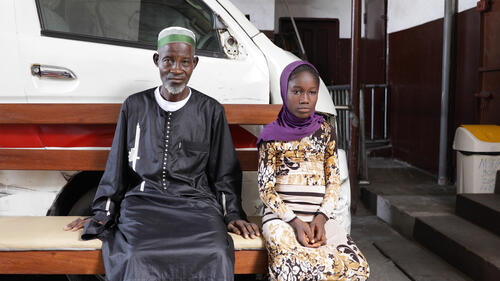
Abraham brought his 10-year-old daughter Sidie to the clinic in the West Point township of Monrovia, Liberia, for an epilepsy consultation through the MSF program
Liberia

Community awareness and treatment changes lives for those with epilepsy

MSF is showing how increasing community awareness and providing treatment is life-changing for a growing cohort of epilepsy patients in Monrovia, Liberia Interview - 13 Feb 2020
 
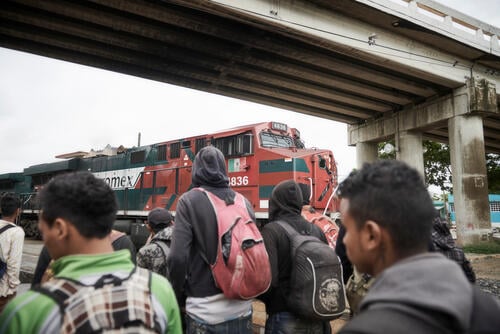
One of the main bridges of the city, which is a transit point where travellers use to rest before continuing their journey on the Beast, the cargo train that conects the south and north borders of Mexico.

––––––

Uno de los puentes principales de la ciudad, la cual es un punto de tránsito donde los viajeros suelen tomar un descanso antes de continuar su viaje a bordo de la Bestia, el tren de carga que conecta las fronteras sur y norte de México.
Central American migration

Escaping violence into danger – no way out for Central American migrants

A new MSF report shows violence at home is a key push factor for many in Central America to make the dangerous journey north to the US, while exposing the devastating effects that the criminalisation of migration is having on people. Press Release - 11 Feb 2020
 
This sequence shows a couple of migrants trying cross the width of the Rio Bravo river, in front of the Eagle Pass International Bridge, where USA border police intercept them in the middle of the channel.
Central American migration

Report: No way out - The humanitarian crisis for Central American migrants and asylum seekers

The report, No way out: The humanitarian crisis for migrants and asylum seekers trapped between the United States, Mexico and the Northern Triangle of Central America, looks to expose the devastating effects that the criminalisation of migration is having on people fleeing violence. Report - 11 Feb 2020
 
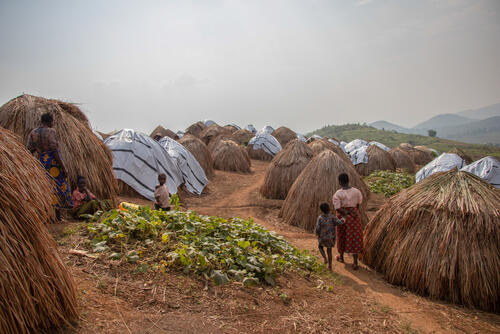
The Kambe IDP site created in July 2019 following a new wave of violence. The Kambe site is composed of 4 blocks, 426 households, only 4 latrines and no shower space.
Democratic Republic of Congo

Displaced by community violence, living in dire conditions in Ituri province

Intra-community violence in northeastern DR Congo's Ituri province has forced hundreds of thousands of people to leave their homes, settling in camps of makeshift shelter, with little access to food, water or safe sanitary conditions. Project Update - 7 Feb 2020
 
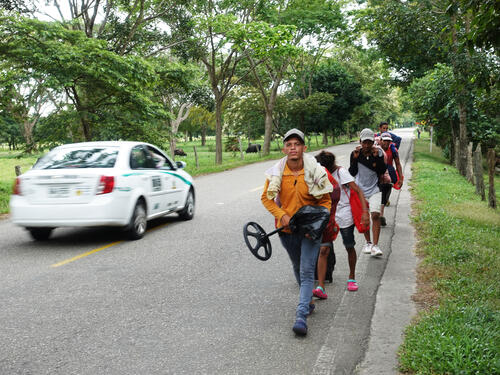
Everyday dozens of Venezuelans arrive in Arauca by feet fleeing the political and economic turmoil in their country.
Colombia

Venezuelan migrants at a crossroads on the Colombian border

Tens of thousands of Venezuelans have fled the economic and political crisis gripping their country for Colombia. While Colombia is able welcome them, the country lacks the resources to help all, leaving many migrants stranded without assistance. Project Update - 6 Feb 2020
 
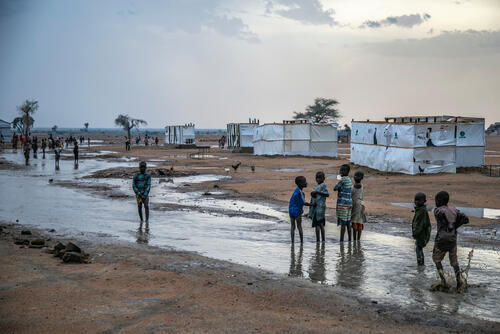
Children play in a small river created by heavy rains, next to the area where latrines are constructed inside a camp for internally displaced people in Pulka town, northeast Nigeria.
Nigeria

Northeast Nigeria: “The conflict is intensifying and the needs are massive”

MSF Head of Mission in Nigeria, Luis Eguiluz, describes the situation for people living in northeastern Nigeria, particularly in military-controlled towns, where outside these towns conflict is intensifying and providing help is dangerous. Interview - 4 Feb 2020
 
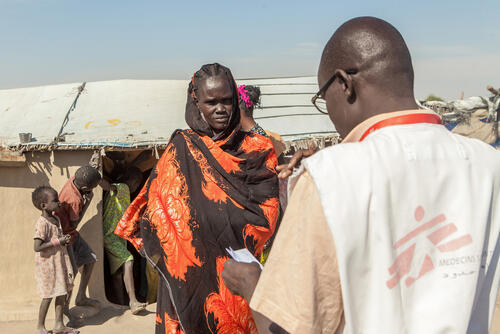
Community health worker Stephen Odyak visits a patient at her home 40 km from MSF’s new hospital in Al Kashafa refugee camp, in Sudan’s White Nile state. 08/01/2020
Sudan

Four things you need to know about South Sudanese refugees in Sudan

Sudan is home to thousands of South Sudanese refugees. Many live in camps and their needs are great. Here are four things you should know. Project Update - 3 Feb 2020
 
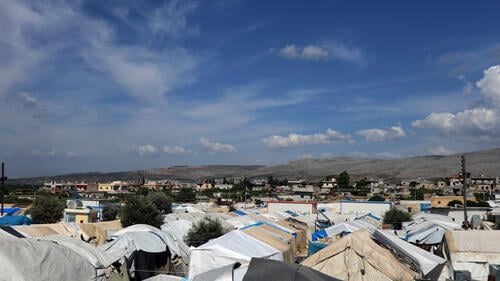
NFI distributions and water provision in various camps of Northwest Syria.
Syria

Advancing frontlines, mass exodus and reduced access to hospitals in Idlib

While thousands flee the latest military offensive in Idlib, Syria and the frontline advances, many hospitals have been partially or completely destroyed. Project Update - 31 Jan 2020
 
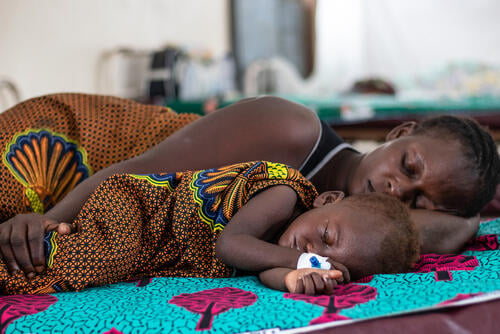
Lutumba est âgée de 14 mois. Elle est arrivée le 25 décembre dans la soirée avec de la fièvre, de la toux et des diarrhées. Elle a la rougeole et est soignée au centre traitement de la rougeole (CTR) de Muanda.  

Elle restera dans le CTR 3 jours en observation puis suivra 3 jours de traitements ambulatoires avant d'être totalement guérie.

-

Lutumba is 14 months old. She arrived on December 25 evening with fever, cough and diarrhea. She has measles and is being treated at the Muanda Measles Treatment Center (CTR).

She will remain in the CTR for 3 days under observation and will then follow 3 days of outpatient treatment before being fully cured.
Measles

Tackling a massive measles outbreak in DRC's Kongo Central province

The Democratic Republic of Congo is in the grips of the biggest currently active outbreak of measles in the world. The outbreak has affected all of DRC's 26 provinces; MSF teams are currently responding in Kongo Central. Project Update - 31 Jan 2020
 
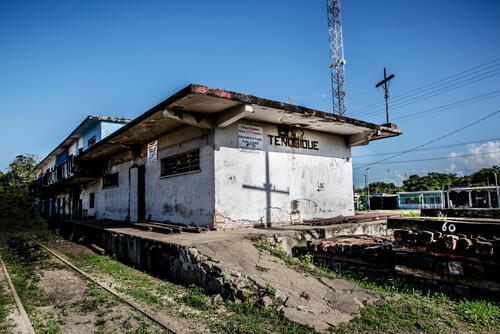
Tenosique Train station
Central American migration

Despite kidnapping and continued risks, migrants continue journey north through Mexico

A group of young Hondurans who were kidnapped and physically and sexually assaulted in Tenosique, Mexico, by a criminal group, have chosen to continue on their journey north towards the US, despite the further risks of assault. Project Update - 30 Jan 2020
Four mothers posing in a corridor of the Hospital in Bili. All four of them are staying in the hospital with their child, that's suffering from a severe case of malaria. Since the beginning of the project in 2016, the pediatric ward already treated more than 4.000 cases of complicated/severe form of malaria.
Médecins Sans Frontières (MSF)

Independent medical humanitarian assistance

We provide medical assistance to people affected by conflict, epidemics, disasters, or exclusion from healthcare. Our teams are made up of tens of thousands of health professionals, logistic and administrative staff - most of them hired locally. Our actions are guided by medical ethics and the principles of independence and impartiality. We are a non-profit, self-governed, member-based organisation.

Learn more