



Ebola disease in DRC: find out how we're responding
Learn more
4633 Results
 
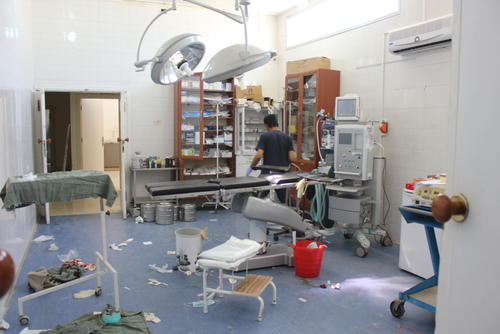
The operational theatre after a surgery conducted in Tal Abyad general hospital, which MSF is working in partnership with the health authorities to support the hospital, Northern Syrian.
Syria

Raqqa’s besieged residents deprived of urgent medical care

“Patients tell us large numbers of sick and wounded people are trapped inside Raqqa city with little or no access to medical care and scant chance of escaping the city” Project Update - 31 Jul 2017
 
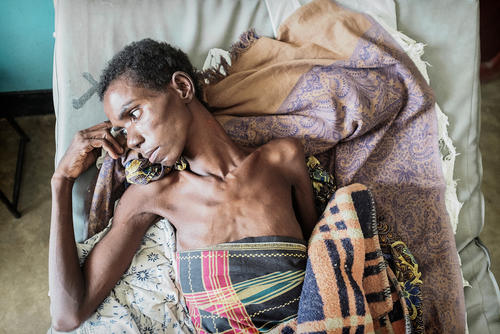
Nsanje, Malawi: Chrissy, 37 years, a mother of three was referred to Nsanje district hospital with late stage AIDS. She couldn’t talk or walk but is feeling better now. She has been on antiretrovirals for five years.
In hospitals and communities across sub-Saharan Africa, people continue to die of AIDS, despite antiretroviral treatment being more widely available than ever. In Nsanje district hospital, HIV still accounts for 26% of all admissions and 54% of all deaths.
HIV/AIDS

MSF concerned by high numbers of AIDS deaths in sub-Saharan Africa

“People are still being diagnosed late... they arrive at hospital in an often fatal condition, or die at home without ever receiving care.” Press Release - 25 Jul 2017
 
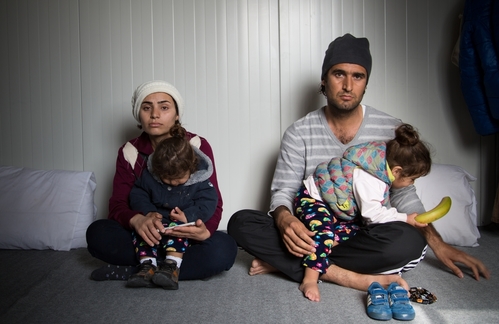
Portrait of Karon, 31 Years old from Iraq
 
Karon, his wife and their two twins are blocked in Lesvos since their arrival on August 2nd 2016.

Their dream was to reach the Island to start a new life.

“What I have seen in Iraq, I do not want my children to see it again. This is why we left our country, where everything is paralyzed, everything stopped, there is no life…My true dream is that my children will live in a beautiful country, without war, without bloodshed, without any of this. This is the only thing I wish for.”
Greece

A dramatic deterioration for asylum seekers on Lesbos

Médecins Sans Frontières (MSF) has released a new report highlighting the drastic deterioration of the care and protection for vulnerable people in Lesbos, Greece, who have fled from violence and wars in Syria, Iraq, Afghanistan and further afield. Report - 24 Jul 2017
 
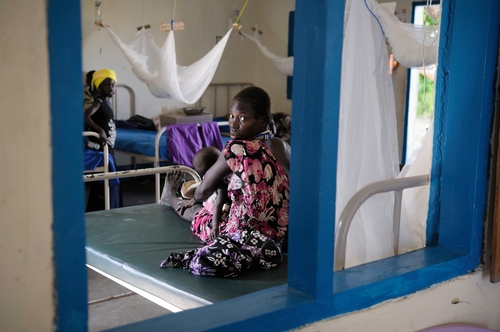
In the in-patient department of MSF's clinic in Pibor.

Photo series taken in Pibor and Gumuruk to accompany the November 2012 Jonglei Report, describing the consequences of violence in South Sudan's Jonglei State. Direct consequences seen by MSF include gunshot and stab wounds, many women and children being among the victims. The less visible, but equally serious, indirect consequences of the violence are when people flee into the bush with no possessions, vulnerable to malaria, pneumonia and diarrhoea. Furthermore, healthcare itself is under threat, and four of MSF's six clinics in Jonglei state have been looted, damaged or destroyed in the past year and a half.
South Sudan

MSF strongly condemns the armed robbery of its clinic

“This event forced us to evacuate part of our team and reduce our activities at a time when people are in desperate need of healthcare.” Press Release - 14 Jul 2017
 
msf-placeholder
Central African Republic

Baby brutally killed at a hospital

“The callousness of this attack highlights both the indiscriminate nature and disturbing escalation in violence in CAR against civilians" Statement - 12 Jul 2017
 
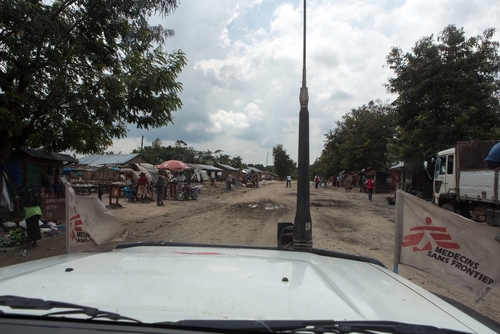
La route entre les village de Kinyandoni et Kiwanja, situés à environ 70km au nord de Goma, dans la province du Nord-Kivu, en République démocratique du Congo, le 19 décembre 2015.     /     The road between the villages of Kinyandoni and Kiwanja, located about 70km north of Goma in the province of North Kivu, in the Democratic Republic of Congo, on December 19th, 2015.
Democratic Republic of Congo

Release our colleagues abducted four years ago

Despite our efforts, and the escalation in violence in DRC and more particularly in North Kivu, MSF has still not ascertained the whereabouts of our three colleagues. Press Release - 11 Jul 2017
 
 “In Abs hospital, the wards are bursting at the seams, as our medical teams do everything they can to meet people’s urgent health needs. What’s happening in Abs sums up the current state of Yemen. More than two years after the conflict escalated, the country has been torn apart. Many health facilities are not functioning, or are short of staff and medical supplies, and the health system has collapsed.” Roger Gutiérrez, MSF field coordinator in Abs, Yemen
Yemen

“Some families have to choose between taking a child to hospital or feeding the others”

In Abs hospital, the wards are bursting at the seams, as our medical teams do everything they can to meet people’s urgent health needs. Voices from the Field - 10 Jul 2017
 
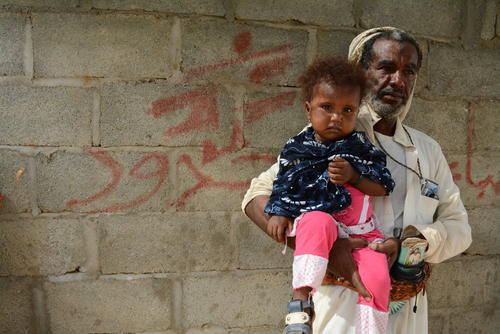
Saleh Mohammed, aged 57, from Sa’ada, is living in a displaced setting near Abs, Hajjah governorate. He is in Al Khamees health centre holding his two-year-old daughter, who has been exposed to war for most of her life: she was born in January 2015. Most of her siblings are dead.
Yemen

Urgent need for improved water and sanitation to curb cholera

“In Abs district, our teams are seeing an extremely poor sanitation situation and insufficient access to clean drinking water” Press Release - 10 Jul 2017
 
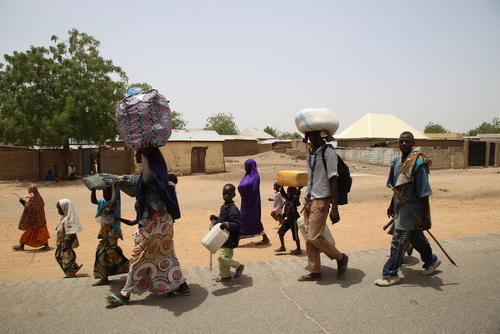
Displaced people arrive in the town of Pulka, in the northeast of Nigeria.
Nigeria

On the move and unable to move because of conflict

“We settled here because we thought it was a safer place. We don’t think it is safe enough to go back there yet.” Voices from the Field - 7 Jul 2017
 
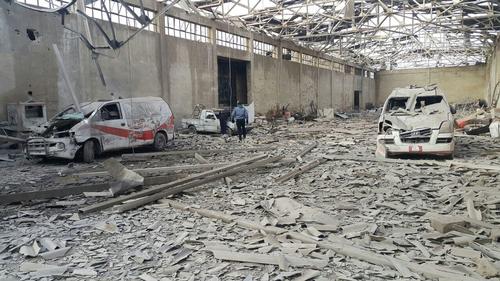
The last two functional ambulances in Al-Marj neighbourhood (in the East Ghouta besieged area near Damascus) were destroyed beyond repair in an aerial bomb attack on Monday 05 December 2016. They were parked in the hospital’s warehouse/garage, very near to the makeshift hospital’s location. Two hospital cars, used to transporting supplies and medical personnel, were also destroyed in the blast. The lack of ambulances will have an impact on the ability to quickly treat wounded when there is bombing or shelling in the area, but above all it will affect the capacity to refer the most sick patients to larger secondary referral hospitals. The makeshift hospital in Al-Marj is not equipped for complex or long-term in-patient hospital care, and this could have a big impact on the ability to refer patients for appropriate secondary care.
Global health

MSF urges G20 to take action on health issues

“The G20 leaders need to improve people’s access to medical care and turn their words into action.”
Press Release - 6 Jul 2017
Four mothers posing in a corridor of the Hospital in Bili. All four of them are staying in the hospital with their child, that's suffering from a severe case of malaria. Since the beginning of the project in 2016, the pediatric ward already treated more than 4.000 cases of complicated/severe form of malaria.
Médecins Sans Frontières (MSF)

Independent medical humanitarian assistance

We provide medical assistance to people affected by conflict, epidemics, disasters, or exclusion from healthcare. Our teams are made up of tens of thousands of health professionals, logistic and administrative staff - most of them hired locally. Our actions are guided by medical ethics and the principles of independence and impartiality. We are a non-profit, self-governed, member-based organisation.

Learn more