



Ebola disease in DRC: find out how we're responding
Learn more
2094 Results
 
View of a Médecins sans frontières (MSF) clinic set up at the Tomping camp for  displaced people in the grounds of the United Nations Mission to South Sudan (UNMISS) base in Juba, South Sudan. MSF is currently carrying out around 230 consultations per day in the camp since three weeks.  Between 13,000 and 17,000 people are residing at the camp. The main diseases include respiratory diseases, acute diarrhea and malaria.
South Sudan

What we need to save lives in South Sudan

MSF General Director describes harrowing situation in South Sudan Voices from the Field - 30 Jan 2014
 
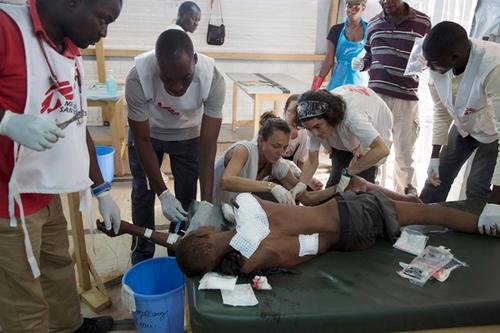
A patient attacked with a machete. Community Hospital.
Central African Republic

MSF expands emergency activities amid worsening violence

Following further violence, MSF expands its emergency activities in CAR Project Update - 30 Jan 2014
 
Wounded patients at the hospital Communautaire. Many of them require traction devices as they were shot in the leg. The healing period is 45 days minimum. Many of the patients, then, were injured during initial combats in Bangui between Anti-Balaka militias and ex-Séléka forces. MSF has treated around 800 patients of bullet, grenade or machete wounds since the beginning of December. Hospital capacity was increased by setting up several tents in the premises. Although the number of patients has decreased recently, until last week (1/2 January) the hospital admitted an average of between 10-20 wounded per day.
Central African Republic

"The violence is relentless" in Bangui

MSF has treated hundreds of patients in Bangui since violence erupted in December 2013 Project Update - 21 Jan 2014
 
In Hebron and East Jerusalem, MSF is running a medical and psychosocial programme for people suffering from trauma because of the conflict. MSF teams focus on people with psychological distress (acute stress, anxiety disorders, post traumatic syndromes, depression) caused by violent incidents involving Israeli settlers and Israeli Army, but also due to the intra-Palestinian conflict. In Hebron, MSF staff carried out 1726 individual mental health consultations and 945 medical consultations in 2011.
In the beginning of 2011, MSF conducted a needs assessment in East Jerusalem and decided to start providing in this part of the city mental health care to the population who suffers trauma or psychological distress due to the consequences of violence caused by the conflict and who has no access to mental health services. MSF therapies started in July in the Shufat refugee camp and Silwan area and since then MSF staff carried out 223 individual mental health consultations.
Palestine

Imprisoned by the mind

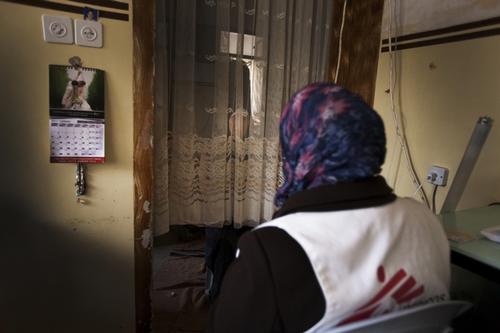
An MSF psychologist describes how prison has damaged the mental health of a young Palestinian man Project Update - 17 Jan 2014
 
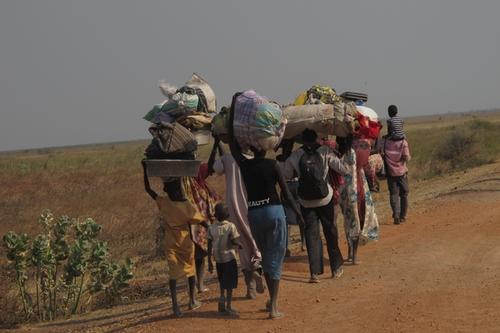
In Juba, about 40,000 people have sought refuge in two overcrowded UN compounds in the capital, too afraid to go back home. MSF medical teams are carrying out 300-500 consultations per day, mainly for diarrhoea, malaria and respiratory infections. There are few other medical actors present at the moment and there are important water and sanitation needs. MSF is treating a high proportion of acute diahrrea cases and is putting pressure on other actors to scale up watsan activities.
South Sudan

MSF treats more than 100 wounded following heavy fighting in Malakal

Heavy fighting in Upper Nile, Unity and Jonglei states has left thousands of people newly displaced and hundreds wounded. Project Update - 15 Jan 2014
 
Heath center, Don Bosco camp, Bangui.
Central African Republic

MSF assists 15 injured at Castor hospital in Bangui

15 injured were treated urgently by Médecins Sans Frontières (MSF) staff at Castor Hospital in Bangui, Central African Republic, after three grenades were detonated close to the health centre. Press Release - 13 Jan 2014
 
MSF has set up a clinic in the local school in Awerial, providing basic primary healthcare to the displaced population who are mostly women and children.
Haiti

Health needs reach emergency levels as fighting hinders aid response

Health needs in war-torn South Sudan reach emergency levels, says MSF Press Release - 6 Jan 2014
 
Silvia Dallatomasina, Italian emergency doctor operates the hand of a wounded man.

MSF is treating the most severe cases and providing emergency referrals to other structures at the Bangui airport. MSF has on average been carrying out 500 consultations, performed 100 dressings, and assisted 7 deliveries at the airport each day. MSF is the only medical provider at the camp, where 100,000 displaced people have sought shelter.
Central African Republic

MSF drastically reduces medical activities at Bangui airport following two days of violence

MSF has drastically reduced its medical activities in Bangui airport following two days of shooting close to MSF’s clinic. Project Update - 2 Jan 2014
 
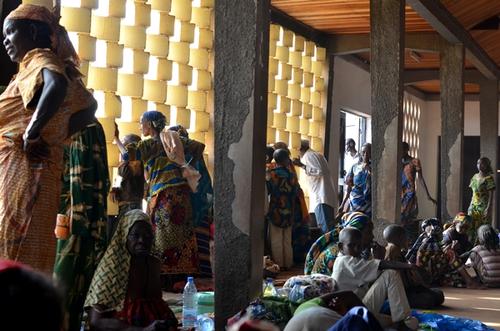
Displaced in the UN compound.

In the country’s capital Juba, two emergency teams comprised of medics, logistics staff and water treatment specialists have begun providing medical care for the more than 20,000 people displaced by the recent fighting.
South Sudan

More aid needed for 70,000 people living in catastrophic conditions

Tens of thousands of South Sudanese have arrived in Awerial, in Lakes state, after fleeing violence in Bor. Project Update - 30 Dec 2013
 
msf-placeholder
Central African Republic

Civilians and hospitals affected by extreme violence in Bangui

MSF reiterates its call for the respect of civilians, medical staff and health facilities. Press Release - 30 Dec 2013
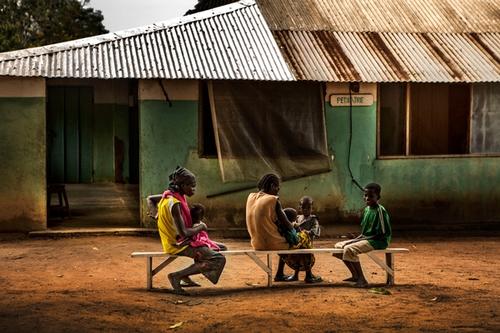
Four mothers posing in a corridor of the Hospital in Bili. All four of them are staying in the hospital with their child, that's suffering from a severe case of malaria. Since the beginning of the project in 2016, the pediatric ward already treated more than 4.000 cases of complicated/severe form of malaria.
Médecins Sans Frontières (MSF)

Independent medical humanitarian assistance

We provide medical assistance to people affected by conflict, epidemics, disasters, or exclusion from healthcare. Our teams are made up of tens of thousands of health professionals, logistic and administrative staff - most of them hired locally. Our actions are guided by medical ethics and the principles of independence and impartiality. We are a non-profit, self-governed, member-based organisation.

Learn more