



Ebola disease in DRC: find out how we're responding
Learn more
8005 Results
 
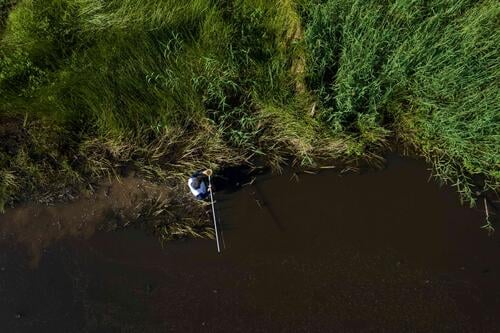
El biólogo de MSF, Melfran Herrera, busca larvas de mosquitos Anopheles, en una laguna del estado Sucre, al noreste de Venezuela, para comprobar la densidad existente y diseñar estrategias efectivas para el control vectorial y la prevención de la malaria. Los equipos de MSF trabajan junto a autoridades locales, para disminuir la incidencia de la enfermedad en el estado. 
	
MSF biologist Melfran Herrera searches for Anopheles mosquito larvae in a lagoon in Sucre state, northeastern Venezuela, to check the existing density and design effective strategies for vector control and malaria prevention. MSF teams are working with local authorities to reduce the incidence of the disease in the state.
Venezuela

Tracking mosquitoes to prevent malaria in Venezuela

The incidence of malaria cases has decreased by 80 per cent in areas where MSF teams work alongside local authorities in the northeastern state of Sucre, Venezuela. Project Update - 1 Sep 2021
 
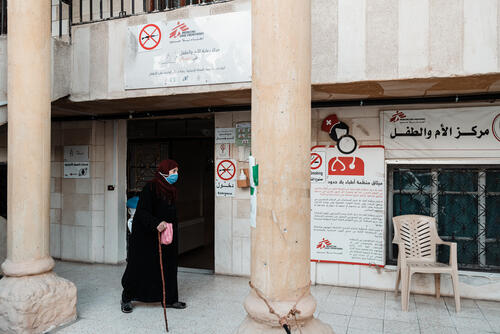
An old lady comes out of her consultation at the MSF's clinic in Arsal. 

MSF has been providing free primary healthcare to vulnerable communities in Arsal, in the north of Bekaa Valley, since 2012. MSF’s clinic in Arsal offers medical care for patients with non-communicable chronic diseases (NCD), acute paediatric consultations, sexual and reproductive health services and mental health support.
Lebanon

Healthcare system in Lebanon disintegrates as political vacuum persists

As the situation in Lebanon deteriorates and the economic crisis worsens, the healthcare system has been pushed to its limit, leaving the most vulnerable without access to essential treatment. Project Update - 1 Sep 2021
 
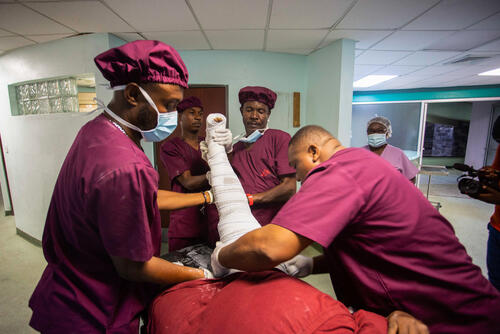
Mecial team from Tabarre hospital is attending a patient, wounded during the earthquake.
Haiti

The long road to recovery for earthquake survivors in Haiti

A week after a 7.2 magnitude earthquake shook Haiti to its core, our teams continue to treat patients with complex injuries. Project Update - 30 Aug 2021
 
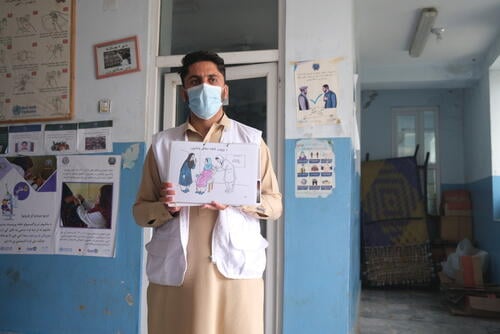
MSF health promoter Noor-U-Rahman explains the danger signs to look out for during pregnancy to a group of caretakers at the MSF-supported Tani comprehensive health centre, Khost province, Afghanistan
Afghanistan

Amid uncertainty, hospitals are still full in Afghanistan

Amid the uncertainty and upheaval in Afghanistan, MSF teams are continuing to work in hospitals across the country. Two MSF medical staff recount how, once the fighting subsided, an influx of patients arrived in Lahskar Gah and Khost provinces. Voices from the Field - 27 Aug 2021
 
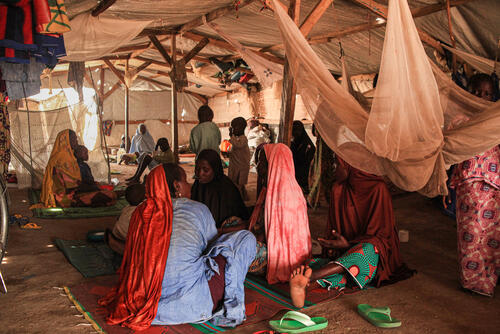
November 2019: A tent in Pulka’s transit camp. This tent is home to several families, though in this photograph most of the inhabitants are outside.
Nigeria

MSF ends activities in Gwoza and Pulka

MSF first worked in Borno, northeast Nigeria, in 2014. We have had a continuous presence in the state since 2016, running five hospitals across Borno state, providing a range of services, including treatment for malnutrition and malaria. Interview - 25 Aug 2021
 
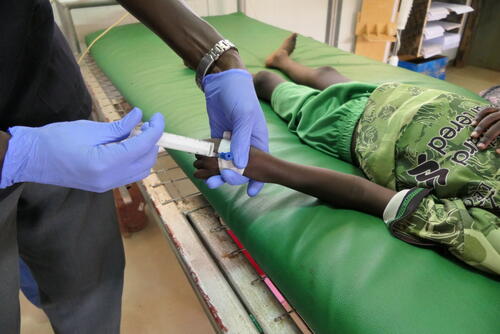
Four-year old boy with hepatitis E receives medication at the MSF hospital in Bentiu camp. He lives in a small shelter shared by seven people. On average, each of them has access to 6L of clean water per day. This is all they can get as there are no extra water containers. International standard is all individuals should have access to a minimum 15L of clean water per day to ensure good health conditions.
South Sudan

Hepatitis E on the rise among poor sanitary conditions in Bentiu camp

MSF has repeatedly warned of the terrible sanitary conditions in Bentiu camp, South Sudan, as the number of hepatitis E cases continue to rise. The outbreak of the viral liver disease has resulted in the deaths of two people. Press Release - 25 Aug 2021
 
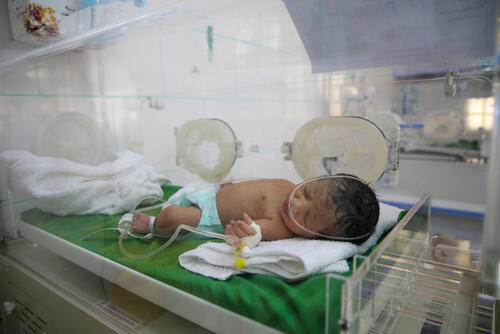
Newborn daughter of Aiesha*, admitted to the special care unit for critical care for respiratory distress at Al-Jamhouri hospital supported by MSF in Taiz City, Yemen.

*name of the patient changed upon her request.
Yemen

Seeking healthcare in Taiz, a city split by a frontline

More than six years of war has split the city of Taiz in two, with a frontline dividing the city from people who need access to healthcare - something often inaccessible and unaffordable in Yemen. Project Update - 24 Aug 2021
 
A medical team, including two surgeons and an operating room nurse, was able to travel to Jérémie on August 15 and began working in St. Antoine’s hospital, completing 10 surgeries on 16 and 17 of august. MSF brought medical supplies, including sterilization material, for the medical facility.
Haiti

After the earthquake, a surgical team works nonstop

The 14 August earthquake in southern Haiti caused significant damage to infrastructure, killing over a thousand people and injuring many. MSF surgical team continues to provide care in its health facilities. Interview - 23 Aug 2021
 
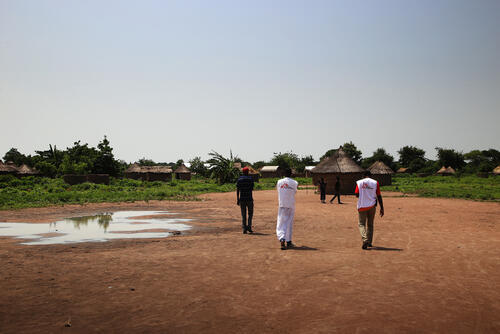
MSF staff walk through site B for displaced people in Kabo, a town in northern Central African Republic.
Central African Republic

Renewed conflict has displaced hundreds of thousands of people in Central African Republic

Fighting across the Central African Republic has left many people wounded, hundreds of thousands displaced, and continues to restrict organisations’ ability to provide healthcare. Project Update - 20 Aug 2021
 
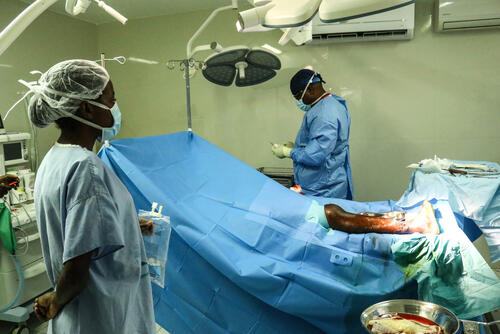
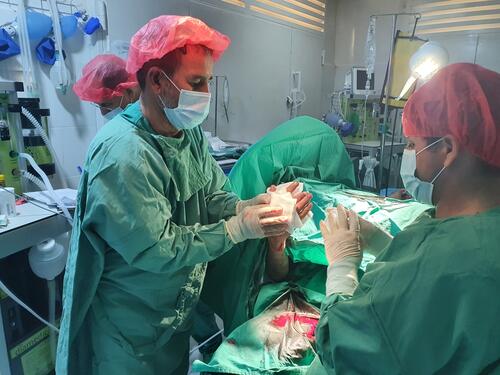
Operating theatre of the MSF Kunduz Emergency Trauma Unit, MSF surgical teams perform an operation on a patient injured by the fighting in Kunduz
Afghanistan

Medical needs urgent as ever in Afghanistan after Taliban takeover

As the government of Afghanistan collapsed last week and the Taliban have taken control, we continue to run activities across the country for myriad medical needs. Project Update - 18 Aug 2021
Four mothers posing in a corridor of the Hospital in Bili. All four of them are staying in the hospital with their child, that's suffering from a severe case of malaria. Since the beginning of the project in 2016, the pediatric ward already treated more than 4.000 cases of complicated/severe form of malaria.
Médecins Sans Frontières (MSF)

Independent medical humanitarian assistance

We provide medical assistance to people affected by conflict, epidemics, disasters, or exclusion from healthcare. Our teams are made up of tens of thousands of health professionals, logistic and administrative staff - most of them hired locally. Our actions are guided by medical ethics and the principles of independence and impartiality. We are a non-profit, self-governed, member-based organisation.

Learn more