



Ebola disease in DRC: find out how we're responding
Learn more
280 Results
 
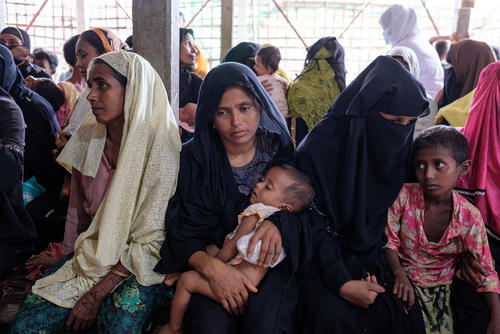
Rohingya outpatient area at the Kutupalong clinic
Rohingya refugee crisis

“This is still a population teetering on the edge.”

Emergency medical coordinator for MSF, Kate White, reflects on how the Rohingya refugee crisis in Bangladesh has changed in recent weeks. Voices from the Field - 6 Dec 2017
 
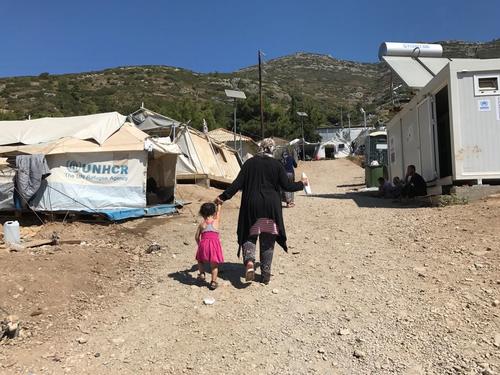
Trapped in the island of Samos, asylum seekers are forced to live in dire conditions in the Reception and Identification Center (RIC).

Due to a new wave of increased arrivals, newcomers are forced to stay in an extended area of the camp, and many of them are not allocated a space in the tents, many of which host both men and women.

Many people, including families with children, are only given a blanket to use either to cover themselves at night, sleep on or use as a makeshift tent in the nearby bushes.

Among the camp's residents, many victims of torture and violence as well as of SGBV , pregnant women, children, elderly, sick and disable people wait very long to get their vulnerability assessed and before they can see a doctor.

Food is not sufficient, toilets are too dirty to be used and dangerous to reach at night for women.

Violent fights among residents and protests fueled by frustration erupt every now and then.

Most residents have no information over their asylum application and they wait in the camp for months before they get a final verdict.
Greece

Activity update – December 2017

Voices from the Field - 5 Dec 2017
 
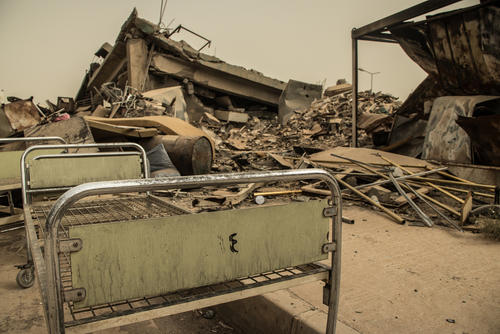
Old hospital beds lay abandoned in the grounds of Al Khansaa hospital in East Mosul, northern Iraq. The hospital suffered severe damage when Mosul was retaken from the Islamic State group in 2016 and 2017. Sixty percent of the hospital remains destroyed.  
 
The healthcare system in Mosul is still in tatters following months of conflict. Hospitals and clinics were bombed and now only a handful are left to service a large city.     
  
MSF has been working at Al Khansaa hospital to rebuild the emergency room, paediatric in-patient facilities, a nutrition unit and the intensive care unit (ICU).
Iraq

From chaos to the provision of care

It is crucially important for this work to continue. The rebuilding of essential medical services is of life-saving significance during this phase of Mosul's post-war recovery. Voices from the Field - 23 Nov 2017
 
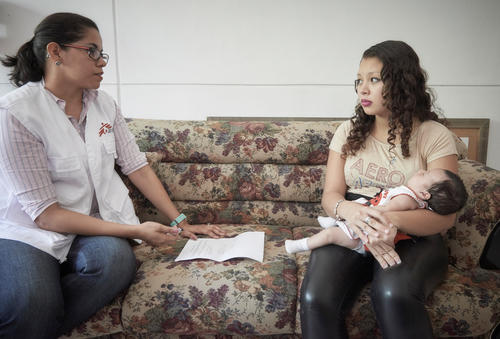
Most of MSF’s patients are young women. “We see a lot of teenagers aged from 15 to 17, who come for antenatal consultations,” says Dr Diana. “Often they are referred to us from other health centres, because we are the only medical public facility opened 24 hours”.
Honduras

“We have gone from seven deliveries each month to more than 30”

“We are working alongside the Ministry of Health and the municipal authorities, and this is a great success in itself: all parties working together to provide care for the region’s women”. Project Update - 10 Oct 2017
 
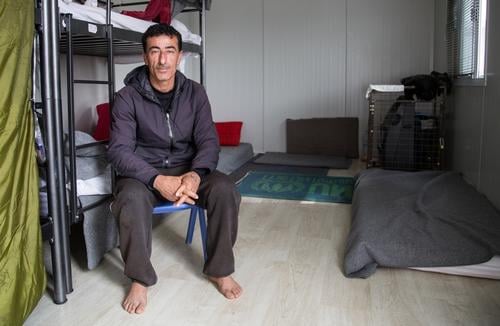
Portrait of Nouri, 40 Years old from Syria
 
Nouri and his wife decided to flee Syria to save their 4 children from the war. After a few months in Turkey they took the trip 9 times to reach Greece.

“On the 22nd of July we arrived in Greece. Since I arrived in Greece, I felt as if I was born again, all the suffering I forgot, but unfortunately again, not as we expected…I don't know until this moment if we are staying, if we are going… we are like in a prison.”
Greece

EU border policies fuel mental health crisis for asylum seekers

“These people have survived bombing, extreme violence and traumatic events in their home countries or on the road to Europe.” Report - 10 Oct 2017
 
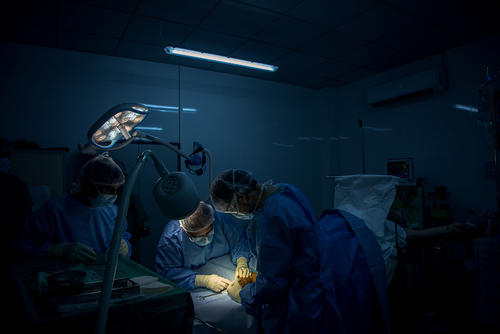
A woman receives surgery to remove a piece of shrapnel from her heel in an injury she sustained weeks earlier. She fled Mosul with her injury.
Iraq

Crisis update – September 2017

The battle for Mosul has taken a staggering toll on the people of Iraq’s second largest city. Health needs are shifting from war injuries to medical cases and long-term rehabilitation care. Crisis Update - 21 Sep 2017
 
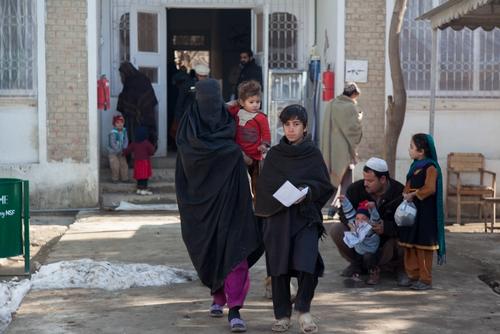
A young boy chaperons his mother and sister to the clinic.
Pakistan

MSF asked to close medical activities in Kurram Agency, north-west Pakistan

“We will continue to provide obstetric and neonatal services as much as possible to the women of FATA through the MSF Women’s hospital in Peshawar.” Statement - 14 Sep 2017
 
Ummi, 4 years old, was treated for Hepatitis E at MSF's hospital in Ngala.
Nigeria

“People are dying of hepatitis E because they don’t have soap or clean water”

Hundreds of people in a camp in northeastern Nigeria have been infected with hepatitis E after the disease spread from neighbouring Niger. The highly contagious disease has spread quickly through Ngala camp. Project Update - 10 Aug 2017
 
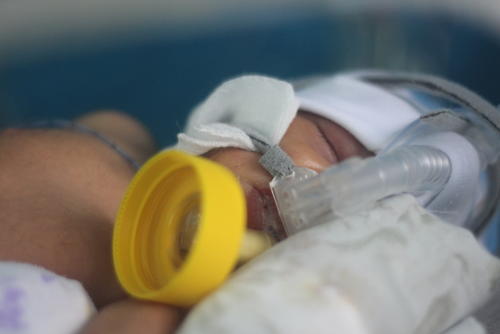
A new born Syrian baby in the Neo-Natal care unit of the MSF Mother and Child Hospital in Irbid, Jordan.
Jordan

10,000 babies born as refugees

A maternity hospital run by MSF in Jordan’s Irbid governorate has witnessed the births of 10,000 babies – most of them Syrian – in just four years. Project Update - 4 Aug 2017
 
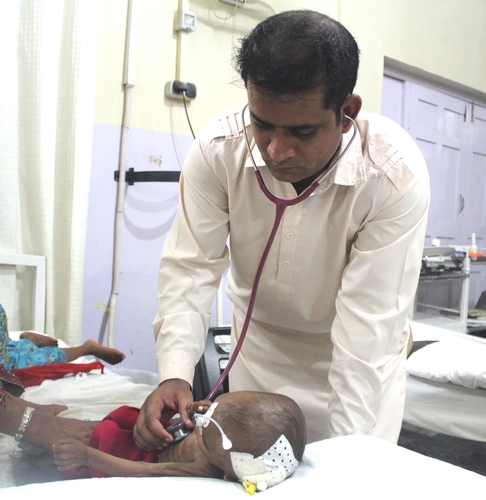
Tufail Ahmad is examining a severely malnourished child admitted in Inpatient Therapeutic Feeding Centre (ITFC) in MSF’s Dera Murad Jamali Project in Baluchistan, Pakistan.
Pakistan

“I suddenly found myself treating my own premature triplets”

In an area where there is no food insecurity, it’s surprising that we should see so many malnourished children. Voices from the Field - 31 Jul 2017
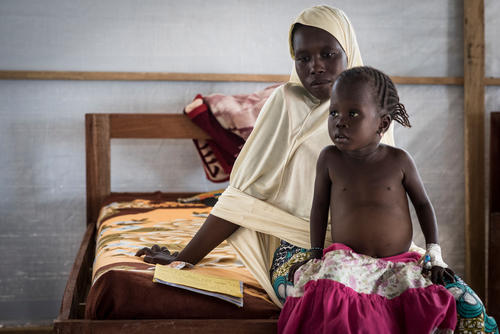
Four mothers posing in a corridor of the Hospital in Bili. All four of them are staying in the hospital with their child, that's suffering from a severe case of malaria. Since the beginning of the project in 2016, the pediatric ward already treated more than 4.000 cases of complicated/severe form of malaria.
Médecins Sans Frontières (MSF)

Independent medical humanitarian assistance

We provide medical assistance to people affected by conflict, epidemics, disasters, or exclusion from healthcare. Our teams are made up of tens of thousands of health professionals, logistic and administrative staff - most of them hired locally. Our actions are guided by medical ethics and the principles of independence and impartiality. We are a non-profit, self-governed, member-based organisation.

Learn more