



Ebola disease in DRC: find out how we're responding
Learn more
1993 Results
 
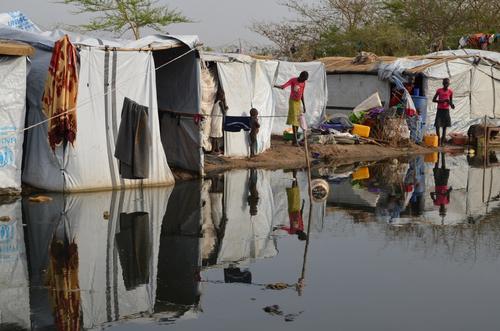
One of the most flooded areas in Tomping camp.

MSF is providing medical care in two camps in Juba, South Sudan, where 40,000 people are seeking refuge from widespread fighting that erupted in mid-December. Over 27,000 people are living in deplorable conditions in Tomping camp. The first rains of the season have left a significant part of the camp flooded and further degraded the poor sanitation conditions.
South Sudan

First rains exacerbate deplorable living conditions in Tomping camp, Juba

Heavy rainfall has exacerbated the deplorable living conditions in Tomping camp Project Update - 19 Mar 2014
 
msf-placeholder
Tuberculosis

Test Me Treat Me' TB manifesto

Promotional clip of the 'Test Me Treat Me' TB manifesto. Project Update - 17 Mar 2014
 
Bitoye . Located at the crossroads of Central African and Cameroonian borders, Bitoye has seen its population double with the influx of refugees from the North West of CAR by vehicle or on foot. MSF has installed a health center and carried out a vaccination campaign against measles , polio and meningitis refugee and local populations of less than 29 years.
Refugees, IDPs and people on the move

"What's happening right now is unacceptable"

Conditions for CAR refugees in Chad are "unacceptable" Project Update - 17 Mar 2014
 
msf-placeholder
Tuberculosis

Multidrug-resistant TB patient stories

MDR-TB patients tell their stories in a series of videos. Project Update - 17 Mar 2014
 
msf-placeholder
Tuberculosis

A breath of hope for Drug-Resistant TB

In Armenia, MSF started a programme using Bedaquiline to treat DR-TB patients. Project Update - 17 Mar 2014
 
msf-placeholder
Cameroon

35,000 flee fighting in Central African Republic

35,000 civilians have fled the violence in Central African Republic for Cameroon Project Update - 14 Mar 2014
 
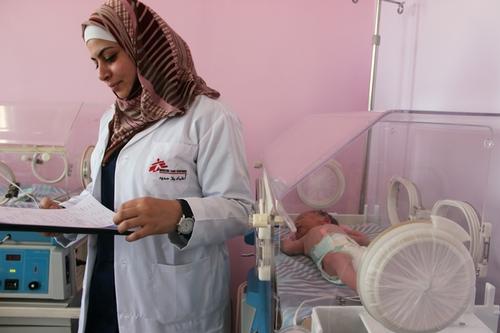
Newborn Syrian baby Zain Al-Abideen receives care from an MSF nurse in the neonatal unit at the mother and child hospital in Irbid.
Syria

MSF response to Syrian crisis

An update on MSF response to the Syrian crisis, including aid for Syrian refugees Project Update - 12 Mar 2014
 
Children in a tent. Over 15,000 displaced people have reached Melut county, in South Sudan's Upper Nile State, after fleeing violence.
South Sudan

15,000 flee clashes in Upper Nile state

Violent clashes force 15,000 people to seek seek refuge in new camps Project Update - 11 Mar 2014
 
msf-placeholder
Malawi

Gearing up for handover

MSF prepares to handover its HIV programme in Chiradzulu to the ministry of health. Project Update - 4 Mar 2014
 
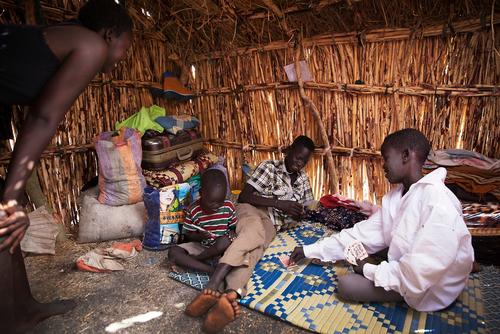
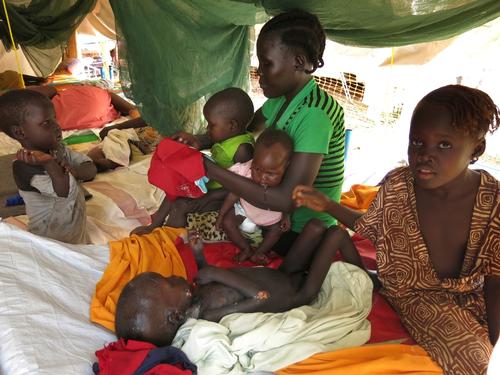
Mary Nyakan is a mother of three children. She came to the Tomping camp on the 16th of December. Her two-year old son Simon Malek was admitted to MSF’s clinic two weeks ago and is suffering from pneumonia and malnutrition associated with watery diarrhea. “The situation was so terrible. There was killing and looting so we had to go come here. Life in the camp is very difficult. There is no food, and poor water and sanitation. We are exposed to very poor conditions and I think that is why our children are becoming very sick. We only get food like beans, flour, rice and packed porridge which is just for survival. There is not enough space and no proper shelter. I pray to God that he brings peace and has mercy upon us who are suffering. The leaders who are fighting should end the fight so that we can go back to our homes.”
South Sudan

Extremely poor living conditions in Juba camp for the displaced

40,000 refugees face greater exposure to malaria and diarrhoea Project Update - 28 Feb 2014
Four mothers posing in a corridor of the Hospital in Bili. All four of them are staying in the hospital with their child, that's suffering from a severe case of malaria. Since the beginning of the project in 2016, the pediatric ward already treated more than 4.000 cases of complicated/severe form of malaria.
Médecins Sans Frontières (MSF)

Independent medical humanitarian assistance

We provide medical assistance to people affected by conflict, epidemics, disasters, or exclusion from healthcare. Our teams are made up of tens of thousands of health professionals, logistic and administrative staff - most of them hired locally. Our actions are guided by medical ethics and the principles of independence and impartiality. We are a non-profit, self-governed, member-based organisation.

Learn more