



Ebola disease in DRC: find out how we're responding
Learn more
1993 Results
 
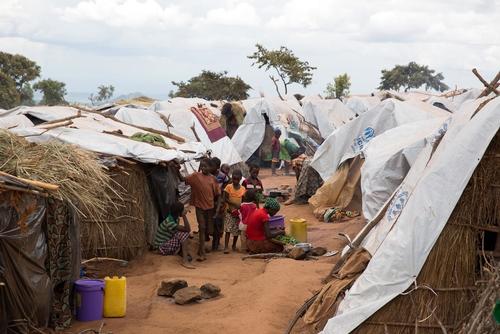
Over 5.800 Mozambican nationals have camped in the village of Kapise 2 in Malawi after fleeing their homes in Mozambique, the majority of them women, children and the elderly. As the camp was built without pre-planning overcrowding has become severe, with high fire hazard for the makeshift shelters.
Mozambique

Crisis Update - 16 February 2016

Project Update - 17 Feb 2016
 
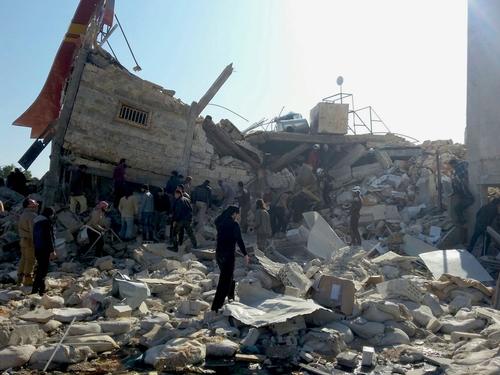
The MSF-supported hospital in Ma’arat Al Numan before it was attacked and destroyed on Monday 15th Feb. At least 25 people were killed, including nine staff members.
The 30-bed hospital  had 54 staff, two operating theatres, an outpatient department and an emergency room. The outpatient department treated around 1500 people a month, the ER carried out an average of 1,100 consultations a month, and around 140 operations a month, mainly orthopaedic and general surgery, were carried out in the operating theatres.

MSF has been supporting this hospital since September 2015 and covered all the needs of the facility including provision of medical supplies and running costs.
Syria

At least 11 killed in another MSF-supported hospital attack in Idlib province

“The destruction on the MSF supported facility appears to be a deliberate attack on a health structure”, denounces Massimiliano Rebaudengo, MSF’s Head of Mission. Project Update - 15 Feb 2016
 
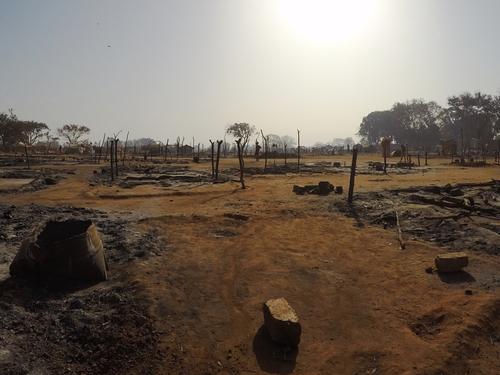
Destroyed shelters after accidental fire in Batangafo IDP camp
Central African Republic

Fire destroys hundreds of shelters in displacement camp in Batangafo

“Families are living with almost nothing at all and fearing for their basic security every day. The humanitarian crisis in this country is far from over,” says Miroslav Ilic, MSF’s head of mission in Central African Republic. Project Update - 12 Feb 2016
 
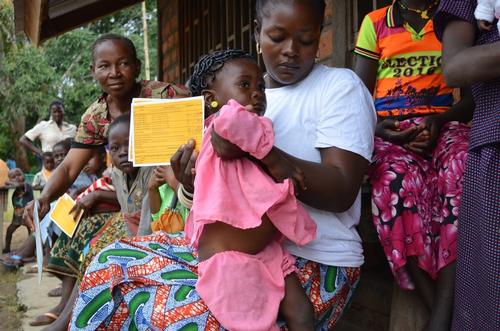
A queue of people wait their turn to have their children vaccinated.
Central African Republic

Vaccinating kids living in crisis

Project Update - 5 Feb 2016
 
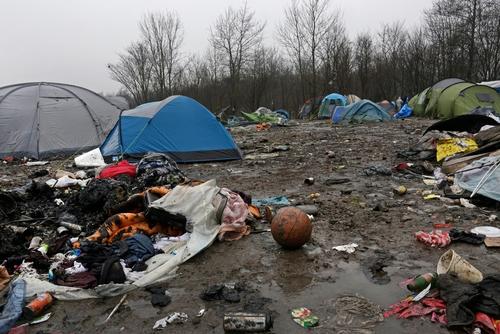
Abandoned and burnt-out tents litter a muddy field in Grande Synthe nera Dunkirk in northern France. Some 2500 refugees hoping to make the crossing to the UK are living in deplorable conditions in this de facto refugee camp.
France

Frequently Asked Questions about MSF's work in Grande Synthe camp

Frequently Asked Questions about MSF's work in Grande Synthe camp, France. Project Update - 29 Jan 2016
 
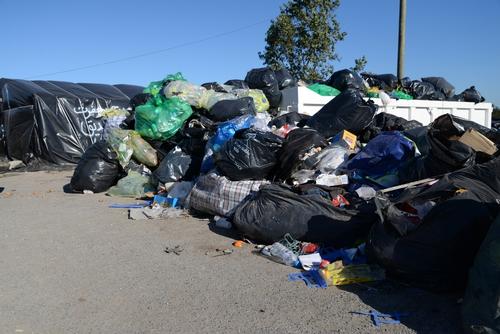
Garbage collection is an issue in the camp. MSF has been developping garbage collection activities including garbage bags distribution.
France

MSF continues to assist refugees in Calais

Project Update - 18 Jan 2016
 
msf-placeholder
Ebola and haemorrhagic fevers

The Ebola outbreak - a brief history

A short video looking back on MSF's response to the West Africa Ebola epidemic Project Update - 14 Jan 2016
 
msf-placeholder
Ebola and haemorrhagic fevers

End of Ebola outbreak in West Africa: World must learn lesson for future outbreaks

As Liberia celebrates 42 days without any new Ebola infections - effectively marking the end of the Ebola outbreak in West Africa - MSF calls on the global health community to draw on lessons learned in order to be better prepared for similar outbreaks in the future. Project Update - 14 Jan 2016
 
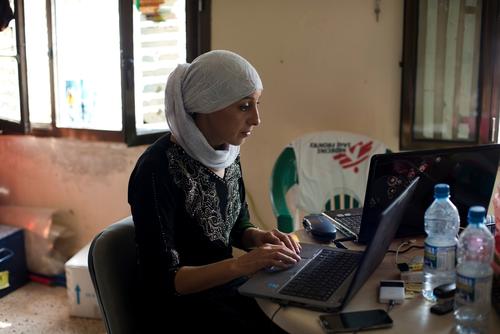
MSF Doctor Nora Echaibi works on logistics and budget for the day at the office, on July 22, 2015. MSF supports a couple of  health facilities and hospitals  in Qataba with international staff, medication, extra local staff support, and equipment.
Yemen

Struggling for oxygen inside the besieged Taiz Enclave

Nora Echaibi is a nurse with MSF. She has been in Yemen since April 2015 working in Aden, Sana’a, Qataba, Ad-Dhale and now Taiz. Project Update - 8 Jan 2016
Four mothers posing in a corridor of the Hospital in Bili. All four of them are staying in the hospital with their child, that's suffering from a severe case of malaria. Since the beginning of the project in 2016, the pediatric ward already treated more than 4.000 cases of complicated/severe form of malaria.
Médecins Sans Frontières (MSF)

Independent medical humanitarian assistance

We provide medical assistance to people affected by conflict, epidemics, disasters, or exclusion from healthcare. Our teams are made up of tens of thousands of health professionals, logistic and administrative staff - most of them hired locally. Our actions are guided by medical ethics and the principles of independence and impartiality. We are a non-profit, self-governed, member-based organisation.

Learn more