



Ebola disease in DRC: find out how we're responding
Learn more
1993 Results
 
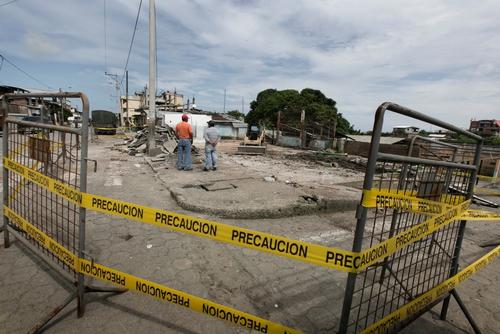
Affected areas in Pedernales
Ecuador

One month after earthquake, MSF finishes its activities

Four teams from MSF travelled to the country after the first major earthquake and spent a month working in the Manabi and Esmeralda provinces, two of the worst affected areas. After an initial assessment, they focused their efforts on providing mental health support and distributing shelter kits, cooking and hygiene items. Project Update - 27 May 2016
 
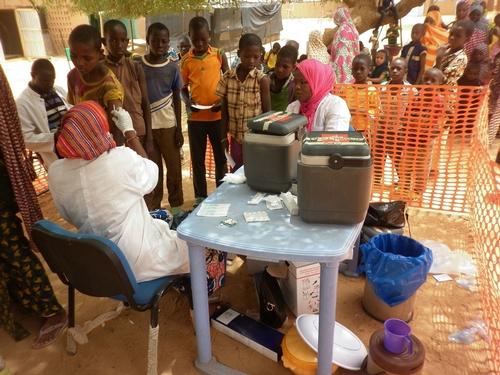
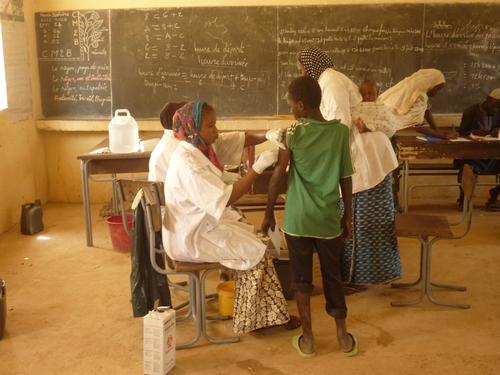
In Mangaize, Tillabery region, western Niger, around 15000 people have been vaccinated against measles. The priority to prevent outbreaks from multiplying is to vaccinate in areas where mobile populations are living alongside indigenous people.
In addition to vaccination activities, MSF is supporting the health authorities to prepare the response to new measles and meningitis outbreaks by strengthening epidemiological surveillance and providing free treatments to health facilities.
Niger

MSF teams respond to two epidemics and ward off a third

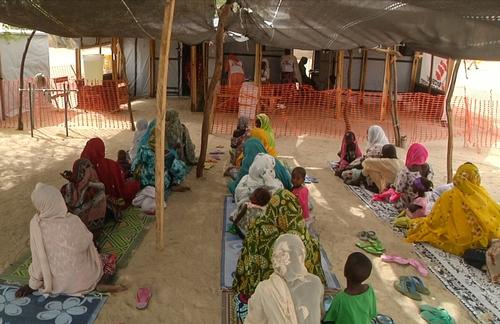
With simultaneous epidemics of meningitis and measles in Niger, teams from MSF have been supporting the Ministry of Health in its efforts to bring them under control, while taking steps to prevent cholera spreading from neighbouring Nigeria. “In the struggle to prevent the epidemics from spreading, our current priority is to administer vaccinations in areas where displaced people are coming into contact with the local population,” says MSF emergency coordinator Augustin Ngoyi. Project Update - 26 May 2016
 
The MSF health post in Yebi before it was completely destroyed on 19 May 2016. It served a population of about 20,000 people. In the site of Yebi, in Bosso district, thousands of people displaced from the Lake Chad area have settled looking for refuge.
Niger

Deadly attack on Lake Chad refugees and MSF health post in Yebi

“We are very concerned about the impact of these attacks on the population and also about the lack of respect for the medical facilities which could jeopardise the already limited access to healthcare in Diffa,” says Elmounzer Ag Jiddou, MSF’s Head of Mission in Niger. “We are planning to resume activities as soon as possible.” Project Update - 25 May 2016
 
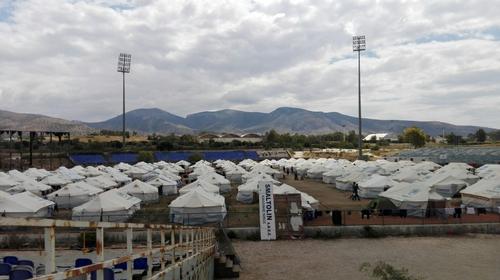
View of Elliniko “Base-ball camp”. Elliniko camp, located on the former airport site, converted into 3 sports stadiums for the Olympic games in 2004. These 3 sites are welcoming between 900 and 1500 people each. Most of the 3500 refugees in Elliniko are from Afghanistan and live there for sometimes more than 3 months in tents, inside or outside the buildings.
Greece

Anxiety and depression in Elliniko sports stadium

Project Update - 25 May 2016
 
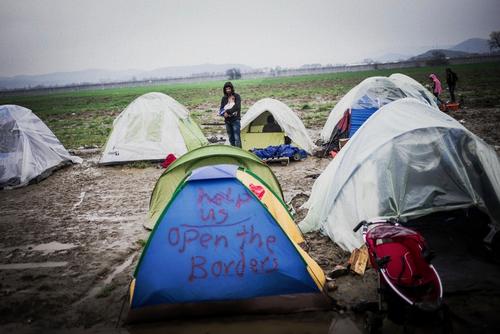
Idomeni, border between Greece and Macedonia domeni, frontière entre la grèce et la macédoine.  1 200 refugees are stuck since the closing of the border, waiting for an agreement between Europe and Turkey (which happened on March 18th 2016)
Mediterranean migration

The mismanagement and poor planning Europe is demonstrating is beyond belief

“All over Greece we are witnessing the consequences of inhumane policies that have left thousands stranded and forgotten without access to basic services or information. European states and authorities have decided to make deterrence their only priority and given up on providing protection and assistance to these people – despite their moral and legal responsibility to do so.” Project Update - 12 May 2016
 
MSF Emergency Team performed an intervention in Bambouti, south-east of Central African Republic, to assist thousands of South Sudanese refugees and local population in an extremely remote ands isolated area of the country
Central African Republic

Thousands of South Sudanese refugees living in deplorable conditions

Project Update - 11 May 2016
 
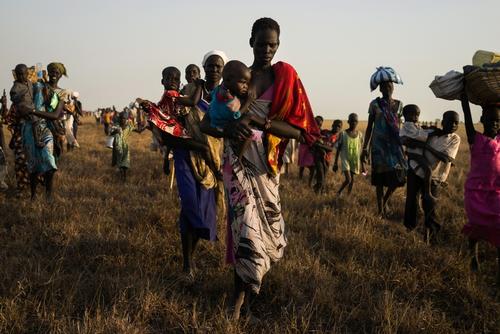
Tens of thousands of people from all over the nearby region prepare to receive their first distribution in many months in Thonyor, South Sudan. Many residents from Leer fled to Thonyor feeling saverthere .
South Sudan

The book that travelled too much

A poignant story about a heroic MSF local staffer, Jeremiah, who went to great lengths to ensure continuity of care for his HIV patients in South Sudan who had been displaced by war. “The patients think they are the happiest people. But I’m even happier than they are, because now I can see them and I can see that they are OK. They are getting healthy and their lives can continue. I am very happy for them, very happy,” says Jeremiah. Project Update - 11 May 2016
 
Commune of Ranobe, Amboasary District.

People in the south-east of Madagascar are facing the most acute nutritional and food crisis the region has seen in recent years. MSF began setting up mobile clinics in Amboasary district in late March to screen and treat acute malnutrition in remote villages like those of Ranobe commune, providing ready-to-use therapeutic food and medical care.
Syria

Al Quds hospital death toll rises to 55

"Aleppo is under fire, with people reportedly having no choice but to stay and die," said Muskilda Zancada, MSF head of mission for Syria. "Airstrikes continue to target hospitals and civilian areas. People devastated by years of war are trapped in this nightmare, dependent on humanitarian aid and without the resources to leave." Project Update - 4 May 2016
 
Vaccination nurses (from the ministry of health) vaccinate against meningitis on the sitesof the sanitary district of Kollo, Tallabéri region, west of Niger.
Niger

MSF responds to a meningitis epidemic

Project Update - 4 May 2016
Four mothers posing in a corridor of the Hospital in Bili. All four of them are staying in the hospital with their child, that's suffering from a severe case of malaria. Since the beginning of the project in 2016, the pediatric ward already treated more than 4.000 cases of complicated/severe form of malaria.
Médecins Sans Frontières (MSF)

Independent medical humanitarian assistance

We provide medical assistance to people affected by conflict, epidemics, disasters, or exclusion from healthcare. Our teams are made up of tens of thousands of health professionals, logistic and administrative staff - most of them hired locally. Our actions are guided by medical ethics and the principles of independence and impartiality. We are a non-profit, self-governed, member-based organisation.

Learn more