



Ebola disease in DRC: find out how we're responding
Learn more
1993 Results
 
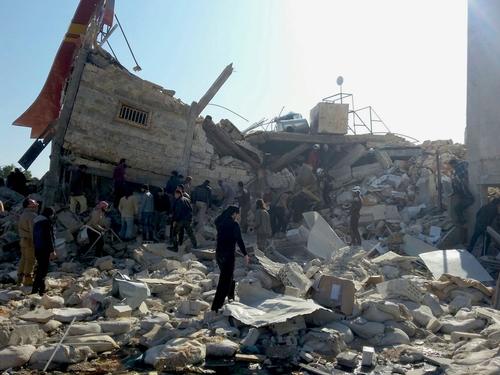
The MSF-supported hospital in Ma’arat Al Numan before it was attacked and destroyed on Monday 15th Feb. At least 25 people were killed, including nine staff members.
The 30-bed hospital  had 54 staff, two operating theatres, an outpatient department and an emergency room. The outpatient department treated around 1500 people a month, the ER carried out an average of 1,100 consultations a month, and around 140 operations a month, mainly orthopaedic and general surgery, were carried out in the operating theatres.

MSF has been supporting this hospital since September 2015 and covered all the needs of the facility including provision of medical supplies and running costs.
Attacks on medical care

Hospital bombings: Building evidence with images

Nearly 100 medical facilities belonging to, or supported by, Médecins Sans Frontières (MSF) have been bombed since 2015. Project Update - 15 Feb 2017
 
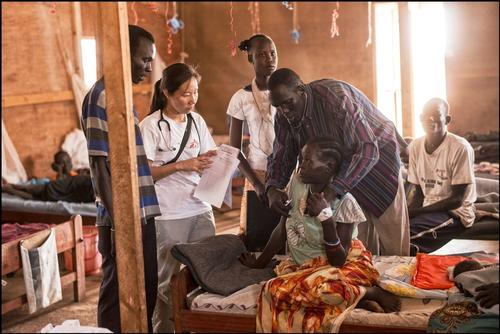
A MSF doctor is doing medical check up in the main ward of the MSF hospital in Mellut togehter with clinical officers and nurses.
South Sudan

MSF closes project in Melut after three years

"MSF's role as first responder was crucial at the start of the emergency. We were able to take care of the displaced population as they arrived at the beginning of 2014," says Marta Cazorla, MSF field coordinator for Melut. Project Update - 30 Jan 2017
 
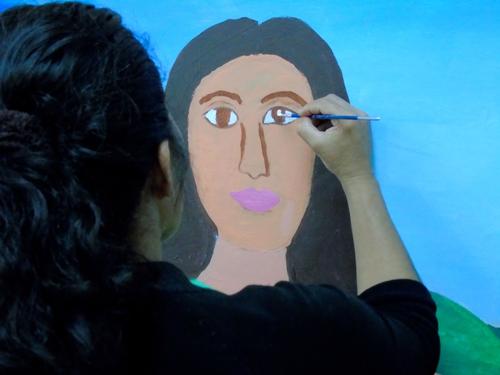
During 2016, MSF expanded its activities in the Honduran capital, Tegucigalpa, and its sister city Comayagüela, where it provides mental healthcare for victims of various types of violence, including kidnapping, extortion, assault, threats and other high-impact violent events. MSF’s mental health teams provide individual sessions, group sessions and activities such as psychosocial workshops. “We try to work on the emotions, feelings and thoughts that people experience as a result of what happened to them,” says MSF mental health supervisor Edgard Boquín
Honduras

Mental healthcare for victims of violence

During 2016, MSF expanded its activities in Tegucigalpa and Comayagüela, where it provides mental healthcare for victims of violence. Project Update - 26 Jan 2017
 
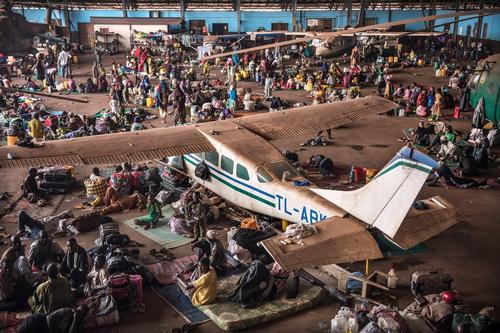
Centraal Afrikaanse Republiek, CAR, Bangui, Februari 2014. 

Many people displaced by the conflict have found refuge in Mboko airport, Bangui, CAR.

Foto: Sven Torfinn
Central African Republic

Five reasons to care about the closure of Mpoko camp

Mpoko has now closed. What became a symbol of the huge needs of the Central African people has disappeared, but the country's problems persist. Project Update - 24 Jan 2017
 
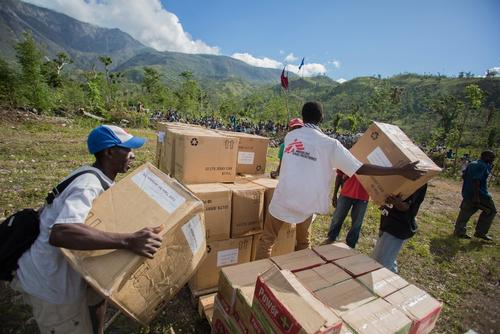
Medecins Sans Frontieres (MSF) Log Manager Abdoulaye Chaibou helps Bollosse village inhabitants during the distribution of aid packages by MSF to the most remote areas of Jérémie and Cayes. Haiti, Friday 6 January 2017.
Haiti

Massive distribution of building materials, three months after Matthew

"In remote areas of the mountains, people were forced to hastily rebuild by salvaging materials that had been blown around by the wind, often broken and full of holes. The poor construction quality of the buildings does not provide adequate shelter," says Lily Caldwell, MSF's emergency team coordinator. Project Update - 23 Jan 2017
 
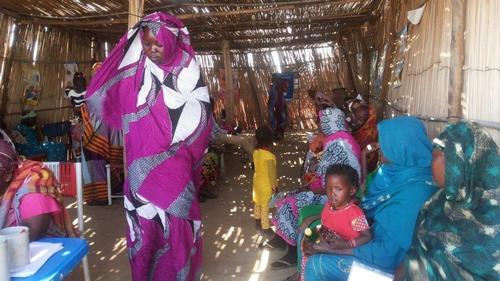
Hospital White Nile, Sudan
Mothers wait for a consultation in White Nile State Hospital
Sudan

White Nile State becomes a haven for those fleeing South Sudan's war

MSF currently runs a 40-bed hospital in White Nile State. It is based just outside Al Kashafa camp where over 17,000 refugees have been allowed to settle. Project Update - 10 Jan 2017
 
MAKHMOUR, IRAQ - OCTOBER 30:

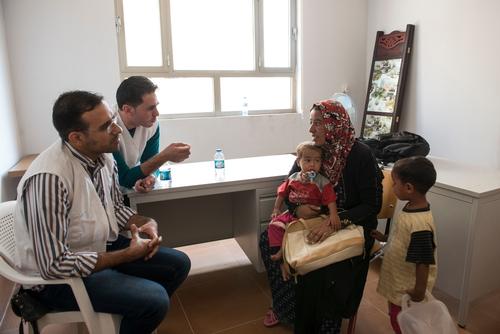
Dr Mahmoud Habeb, a psychologist speaks with his patient at a healthcare facility in Debaga 1 with Mental Health Activity Manager Bilal Budair. 

Scenes at MSF facilities at Debaga camp in Debaga outside of Erbil, Iraq. IDP's seek mental as well as primary healthcare from MŽdecins Sans Frontires (MSF) International.

(Photo by Monique Jaques/ For MSF)
Iraq

MSF assists traumatised people from Mosul

Some 30,000 people are living in camps in Hassansham and Khazer, 35 kilometres east of Mosul. MSF’s mental health teams see around 45 patients a day. Project Update - 10 Jan 2017
 
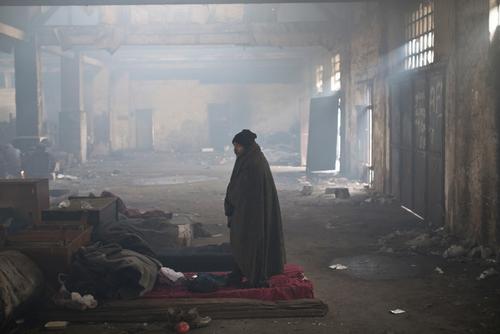
A man stands inside a disused railway warehouse used by refugees and migrants as shelter in Belgrade, Serbia, Thursday, Jan. 5, 2017.
Refugees, IDPs and people on the move

Thousands trapped in freezing temperatures in Greece and the Balkans

"We are witnessing the most cruel and inhumane consequences of European policies, used as a tool to deter and victimise those who are only seeking safety and protection in Europe," declares Stefano Argenziano, MSF's operations coordinator on migration. Project Update - 9 Jan 2017
 
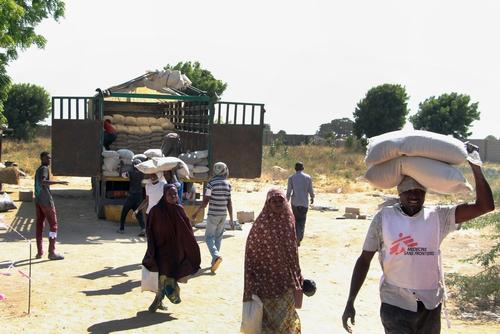
MSF distributed food to 500 families in Maiduguri on December 14, 2016. Each family receives enough food for two weeks; 25 kilograms of millet, five kilograms of beans and five litres of palm oil. The ration also includes eight bars of soap.
Nigeria

Food distribution in Maiduguri

Over the past three months, our teams have distributed 810 tonnes of food in Maiduguri, northeastern Nigeria, which is enough to feed 26,000 families for two weeks. Project Update - 5 Jan 2017
 
New maternity clinic ensures women deliver safely in Tal Afar district, Iraq
Iraq

New maternity clinic ensures women deliver safely in Tal Maraq in the northwestern district of Tal Afar

MSF has opened a maternity clinic in Tal Maraq, where the conflict has taken a heavy toll on the population. Project Update - 4 Jan 2017
Four mothers posing in a corridor of the Hospital in Bili. All four of them are staying in the hospital with their child, that's suffering from a severe case of malaria. Since the beginning of the project in 2016, the pediatric ward already treated more than 4.000 cases of complicated/severe form of malaria.
Médecins Sans Frontières (MSF)

Independent medical humanitarian assistance

We provide medical assistance to people affected by conflict, epidemics, disasters, or exclusion from healthcare. Our teams are made up of tens of thousands of health professionals, logistic and administrative staff - most of them hired locally. Our actions are guided by medical ethics and the principles of independence and impartiality. We are a non-profit, self-governed, member-based organisation.

Learn more