



Ebola disease in DRC: find out how we're responding
Learn more
1993 Results
 
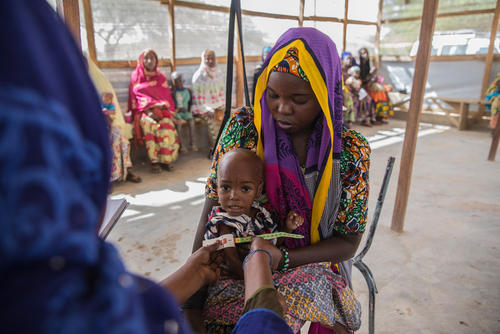
Diffa region. Chetimari IHC, supported by MSF. Screening for cases of malnutrition by the medical staff at the IHC.
Niger

Diffa - the burden of violence

"I had to leave one place after the other due to repeated attacks." Project Update - 10 May 2017
 
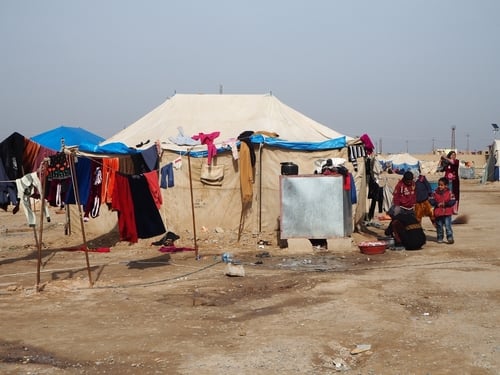
The transit camp in Al-Hajjaj Silo is a site where people undergo security screening before being moved to regular IDP camps or, if they obtain a sponsorship, to be accommodated in the host community. However, several families have lived here for months. MSF brings a weekly mobile clinic with doctors and nurses to the site. The team provide primary health care with special focus on chronic diseases, mother and child care as well as mental health support.
Iraq

“We walked all night, staying away from roads for fear of being caught”

Al Alam camp, near Tikrit, is home to about 8,000 women, children and men who have been displaced from their homes to the north by the ongoing conflict. Project Update - 11 Apr 2017
 
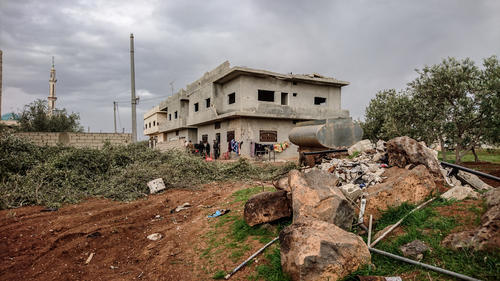
The village of Al Nuaymah was once home to 10,000 people. During the past six years of war, many families left, but without resources or safer options to live, they returned to the village.
 
Virtually the entire town relies on some degree of humanitarian aid for survival. Many structures house more than one family, often with young children. Some have relied on aid for more than five years.
Syria

Instability in the south

MSF recently responded to this crisis with an emergency distribution of 893 kits of essential relief items, distributed to families in two areas. Project Update - 11 Apr 2017
 
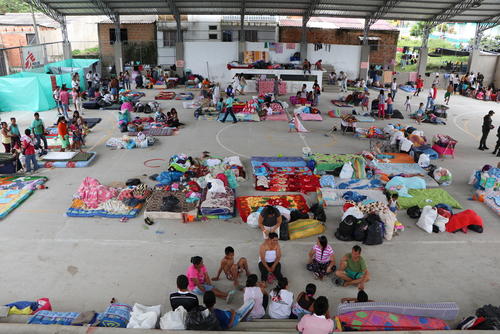
MSF provides assistance to the victims of landslides in Mocoa region, Colombia.
Colombia

MSF provides medical and psychosocial assistance to people affected by the landslide in Mocoa

MSF teams are providing psychosocial support and medical care to victims of last weekend’s landslide in Mocoa, Colombia. Project Update - 10 Apr 2017
 
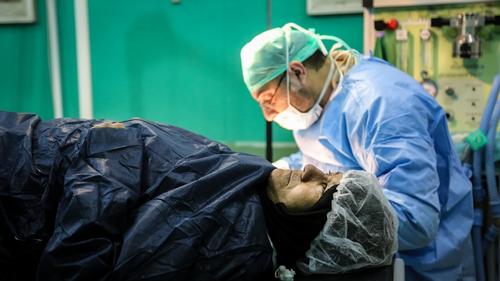
The Al Salamah hospital has become a reference in the area. In 2016, it had 46,337 outpatient consultations, 2,489 inpatient consultations, 26,091 emergency room treatments, 1,933 surgical procedures and there were 578 deliveries. It refers also patients to Turkey.

In the picture, a doctor who is operating an old lady places a sonda in her.
Syria

An obligation to tell the world

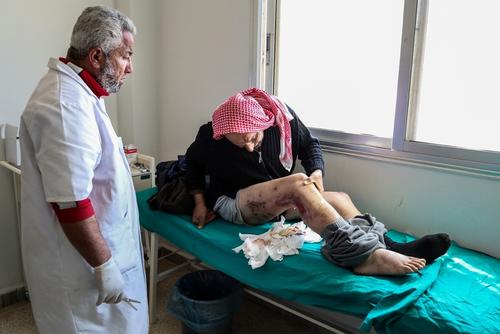
This case study illustrates the article: "No eyes on the ground. MSF’s dilemmas of using third party medical data and patient testimonies". Project Update - 30 Mar 2017
 
In the picture, a man who suffered a mine explosion is being treated for his wounds by an MSF doctor.
Syria

No eyes on the ground

In its 45-year history, MSF has used its presence in the field and its proximity to patients to bear witness and bring the plight of populations affected by disease, natural disasters and conflicts to the world’s attention. Project Update - 13 Mar 2017
 
International Women's Day 2017
International Women's Day

Safe delivery care in Afghanistan

On International Women’s Day 2017, Médecins Sans Frontières (MSF) celebrates the women of Afghanistan, and highlights the dangers they face during pregnancy and childbirth. Project Update - 1 Mar 2017
 
Sally Parker, MSF midwife, receives yet another pregnant woman at the MSF maternity. “Burundians are very stoic by nature. You will hardly ever hear them scream when they give birth, even though there is no epidural available here. Those who deliver for the first time might moan, but the tradition here is to stay silent.”
Mothers and their newborns stay only a few hours in the post-partum room. If there is no medical need for them or their baby to stay, they are directly sent home after having received supplementary vitamins. They will come back a week later for a medical checkup.
Tanzania

Humanitarian response in refugee camps still falling behind

"Although agencies have begun to scale up assistance, the humanitarian response still does not match the rate of new arrivals," says David Nash, head of mission for MSF. Project Update - 1 Mar 2017
 
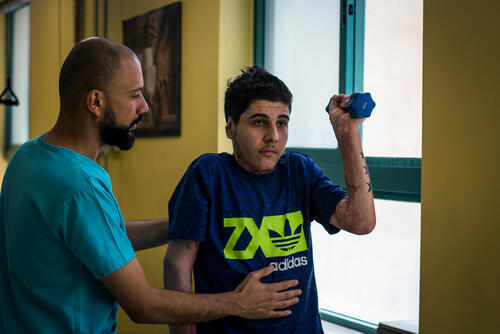
Sixteen-year-old Yousef is improving every day after an intense operation and regular physiotherapy at the MSF Reconstructive Surgery Hospital in Amman, Jordan. Yousef suffered third-degree burns, and was unable to move his upper body after he was attacked by thieves, who set fire to him and stole his motorbike in Baghdad, Iraq. “After the attack, he used to stay in his room, and not want to see anyone, but since the surgery, and being at the hospital, he socialises with everyone, he doesn’t want to leave the place, he has so many friends here,” says Yousef’s mother. Pictured here, Yousef is working with physiotherapist Sajdy Moalla, developing strength and mobility in his arms and neck, to prevent further contractions in the future. Yousef’s dream is to be able to go to America one day, to visit his relatives in California.
Jordan

A new life for war-wounded Iraqis

"The need for reconstructive surgery in Iraq is very big due to the continuous conflict since 2003 and the financial situation our country is facing," says Dr Omar. Project Update - 27 Feb 2017
 
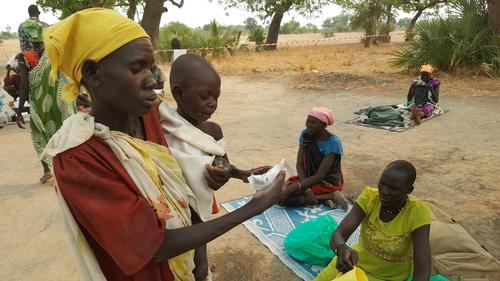
Roda is a mother of two. She attended the clinic with both children suffering from severe malnutrition. They had extensive skin disease, as they were both suffering from scabies and infection.
South Sudan

Protracted conflict at root of nutrition crisis

“The extreme level of violence has had a severe impact on people’s ability to meet basic needs such as safe drinking water, food supplies, shelter and healthcare,” says MSF project coordinator Nicolas Peissel. Project Update - 21 Feb 2017
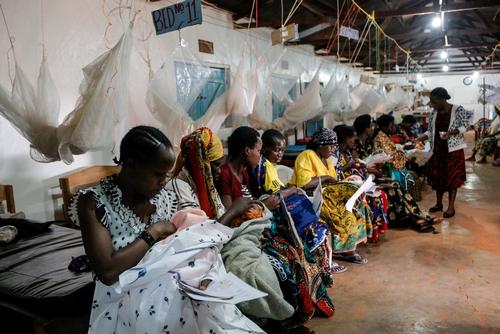
Four mothers posing in a corridor of the Hospital in Bili. All four of them are staying in the hospital with their child, that's suffering from a severe case of malaria. Since the beginning of the project in 2016, the pediatric ward already treated more than 4.000 cases of complicated/severe form of malaria.
Médecins Sans Frontières (MSF)

Independent medical humanitarian assistance

We provide medical assistance to people affected by conflict, epidemics, disasters, or exclusion from healthcare. Our teams are made up of tens of thousands of health professionals, logistic and administrative staff - most of them hired locally. Our actions are guided by medical ethics and the principles of independence and impartiality. We are a non-profit, self-governed, member-based organisation.

Learn more