




Ebola disease in DRC: find out how we're responding
Learn more
1993 Results
 
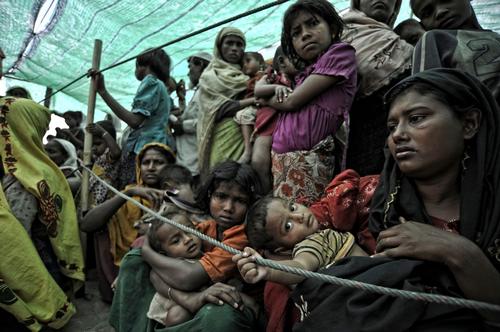
Patients waiting at the triage area for treatment at MSF clinic in a refugee camp on the outskirts of Pauk Taw township, February 3, 2013. photo by Kaung Htet

Months after violence, health needs are still urgent

Eight months since deadly communal clashes first broke out in Rakhine state, Myanmar, tens of thousands of people are still unable to access urgently needed medical care. Project Update - 7 Feb 2013
 
msf-placeholder
South Sudan

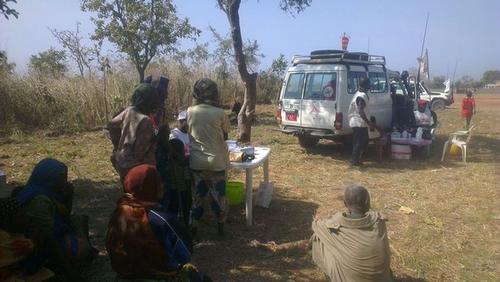
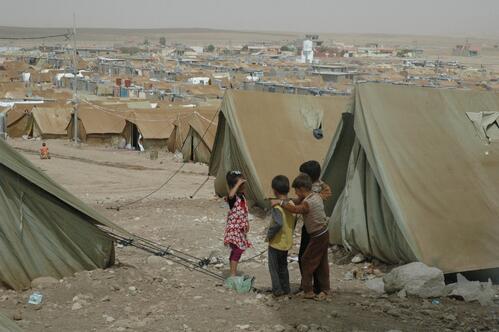
Hepatitis E outbreak escalating in refugee camps

Project Update - 6 Feb 2013
 
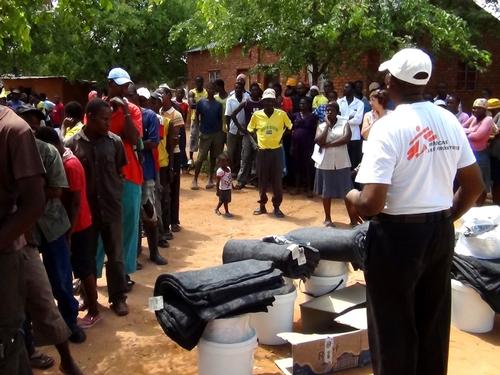
MSF teams donated non-food items such as buckets, hygiene article and blankets to farm workers, who’ s mud huts had been destroyed by the recent floods. Kayemayema, Musina, South Africa.
South Africa

flooding displaces thousands, Mozambique worst affected

Thousands of people in Mozambique, Malawi, South Africa and Zimbabwe have been displaced, as heavy rains in the eastern part of Southern Africa have led to flooding in the area of the Limpopo river. The situation seems most critical in Mozambique, where large areas of Gaza province remain inundated. Project Update - 4 Feb 2013
 
msf-placeholder
Democratic Republic of Congo

65,000 children vaccinated against measles despite access difficulties

Despite insecurity and violence, MSF teams have successfully carried out a measles vaccination campaign in the region of Bunyakiri, South Kivu. Within one month, the teams vaccinated 65,000 children aged between 6 months and 15 years. Project Update - 3 Feb 2013
 
msf-placeholder
Democratic Republic of Congo

Thousands at risk of violence and malaria in Katanga province

Project Update - 25 Jan 2013
 
msf-placeholder
Somalia

Operating at our own risk in Somalia

A year after one of the “worst famines”1 Somalia has ever known, the attention of the international community has turned elsewhere. While the food and nutrition situation is slowly improving, it remains fragile: according to the United Nations' Food Security and Nutrition Analysis Unit, one in five children are acutely malnourished, and more than two million people are still facing acute food insecurity. Project Update - 2 Jan 2013
 
Assessment of the municipal health unit in Baganga, Davao Oriental. MSF is currently running four mobile clinics in eight districts in Cateel and Baganaga municipalities on the island of Mindanao in the Philippines following the destructive Typhoon Bopha earlier in December.
Philippines

MSF team runs mobile clinics following typhoon

After Typhoon Bopha devastated coastal parts of Mindanao island in the Philippines earlier this month, MSF has dispatched two teams to run mobile clinics to provide basic healthcare, monitor for outbreaks of disease and support recovery efforts. Project Update - 31 Dec 2012
 
MSF organizes mobile clinic for the displaced populations in the town of Ndélé, following the attack of the towns on December the 10th. As of today 4 of these mobile clinics were organized, and MSF received more than 300 patients in consultation.
Central African Republic

MSF extends medical activities amid increasing violence

Fighting and violence continued over the past week in several areas in the north and centre of Central African Republic (CAR). Increased military movements and hostilities between rebels and the army have forced civilian population to leave their homes, preventing them from accessing the basic services they need, in particular medical aid. Project Update - 24 Dec 2012
 
MSF opened in May 2012 a primary health care centre (PHCC) in the Domeez Syrian refugee camp. MSF is the main health actor in the camp and provides medical consultations, mental health care and training for the health staff in the camp.
Syria

Response to increasing suffering inadequate

The humanitarian situation in Syria continues to worsen as the war escalates and attacks against health facilities continue. Project Update - 21 Dec 2012
 
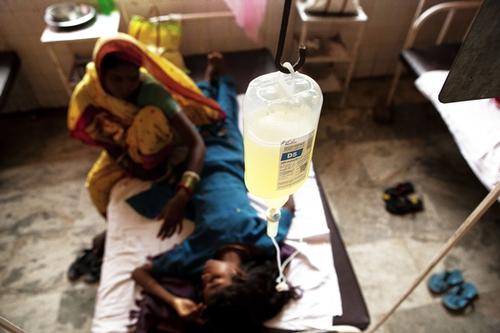
Since July 2007, MSF has been running a kala azar diagnostic and treatment project in Vaishali district, in the centre of the Indian state of Bihar. In the four years, about 8,000 patients have been treated at the Sadar Hospital, and in five MSF-supported health centres. The initial cure rate of kala azar cases is at 98 per cent. Kala azar is a disease endemic to Bihar. Transmitted by the sand fly, the disease mainly affects the spleen and, if left untreated, is fatal for virtually all patients.
Access to medicines

Medicines shouldn't be a luxury

MSF Access Campaign and its current activities. Project Update - 19 Dec 2012
Four mothers posing in a corridor of the Hospital in Bili. All four of them are staying in the hospital with their child, that's suffering from a severe case of malaria. Since the beginning of the project in 2016, the pediatric ward already treated more than 4.000 cases of complicated/severe form of malaria.
Médecins Sans Frontières (MSF)

Independent medical humanitarian assistance

We provide medical assistance to people affected by conflict, epidemics, disasters, or exclusion from healthcare. Our teams are made up of tens of thousands of health professionals, logistic and administrative staff - most of them hired locally. Our actions are guided by medical ethics and the principles of independence and impartiality. We are a non-profit, self-governed, member-based organisation.

Learn more