



Ebola disease in DRC: find out how we're responding
Learn more
1993 Results
 
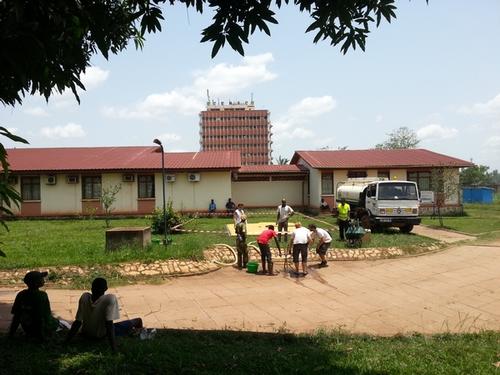
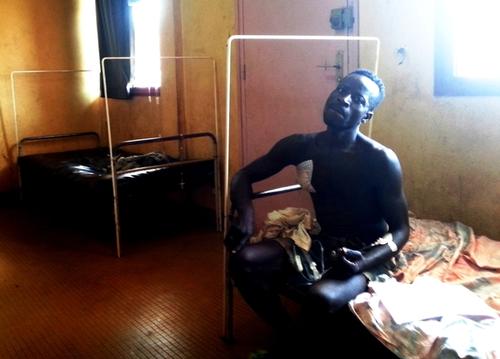
As the opposition group Seleka took power in CAR in March 2013, MSF teams support surgery activities at the community hospital in Bangui where victims of violence receive medical treatment. OCP, OCA and OCBA and present in the country.
Central African Republic

We urgently need to help the sick and wounded

Interview with Serge Saint Louis, MSF head of mission in Bangui. Project Update - 28 Mar 2013
 
As the opposition group Seleka took power in CAR in March 2013, MSF teams support surgery activities at the community hospital in Bangui where victims of violence receive medical treatment. OCP, OCA and OCBA and present in the country.
Central African Republic

Insecurity, lootings and lack of water and electricity are the main concerns

Sylvain Groulx, MSF coordinator in Central African Republican, talks about the situation in Bangui, almost a week after the Séleka opposition group took the capital, and the consequences that the fighting and looting might have on the population of the country, -many of them still hiding in the bush- with the rainy season looming. Project Update - 28 Mar 2013
 
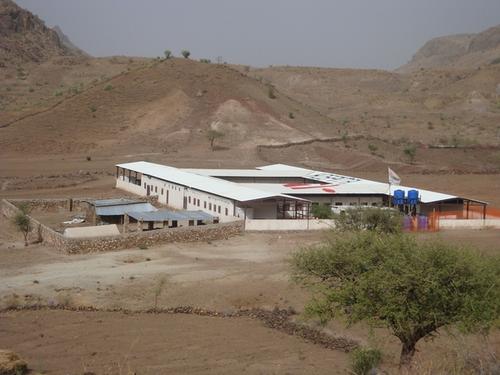
MSF began providing medical assistance in the Jebel Si in 2005 through a
health post and in 2008 began running a rural hospital in Kaguro and five
health posts. These are the only health facilities in this area, and serve
a permanent population of approximately 100,000 people, as well as about
10,000 seasonal nomads all of whom are entirely dependent on MSF for
healthcare and emergency assistance.

As a result of the growing obstacles encountered over the last year due to
restrictions by the authorities, MSF has been forced to suspend most of its
medical activities in the region of Jebel Si , in North
Darfur State, Sudan. As MSF is the sole health provider in the region,
thousands of people are left without access to essential healthcare.
Sudan

MSF treats wounded after fighting in North Darfur

Project Update - 26 Mar 2013
 
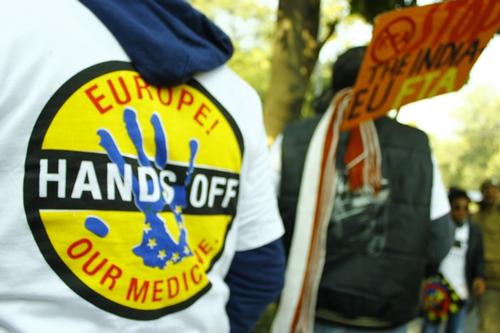
Nearly 2,000 People Living With HIV along with MSF & other civil society organisations rallied in the streets of New Delhi at the start of the EU-India summit. They warned that harmful provisions in a trade deal being negotiated between the EU and India could severely hinder access to affordable medicine for people in developing countries.
India

Under pressure from Europe to sign off on trade deal that will harm access to medicines

DNP+, MSF urge India to reject EU demands before April deadline, protest at European Commission in Delhi Project Update - 13 Mar 2013
 
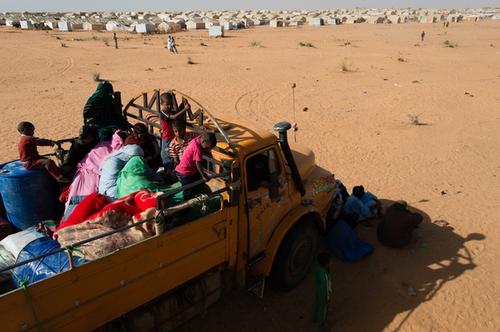
A truck loaded with Malian refugees and their meagre belongings sits parked in the heat on the edge of the Mbera refugee camp in Mauritania while it waits for the rest of the convoy to catch up, on 6 March 2013. According to local NGO, ALPD, 825 refugees arrived in this convoy, packed into three trucks and an assortment of four wheel drive pick-ups.

In March 2012, following the influx of thousands of refugees, MSF has begun providing medical and nutritional activities for refugees and local populations in the district Bassikounou in Mauritania. MSF offers free primary health care, secondary and antenatal care. By installing two health centers in  Mbera camp Mbera andsupporting health posts in Fassala and Mberavillage, medical teams have provided more than 85,000 consultations, 200 deliveries and supported about 1,000 severely malnourished children. Knowing that the nearest hospital is located about more than 200 km, MSF has installed an operational theater in Bassikounou village to allow prompt medical care and stabilization of severe cases before referral to Nema hospital . Protecting children from measles is also a health priority in the camps where MSF teams involved. Indeed, a measles outbreak can be devastating for children who live in crowded camps and often suffer from chronic malnutrition. That is why, in support of health authorities, MSF has vaccinated nearly 10,000 children since March 2012.
Mali

Emergency medical needs continue

A truck loaded with Malian refugees and their meagre belongings sits parked in the heat on the edge of the Mbera refugee camp in Mauritania. Project Update - 12 Mar 2013
 
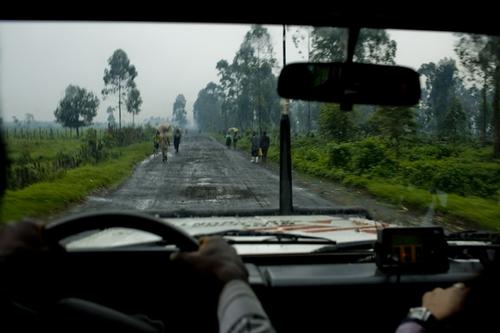
An MSF vehicle drives during a rain storm back to the town of Kitchanga in North Kivu Province, Democratic Republic of Congo, from a health clinic in the nearby village of Muheto, October 15, 2009.
Democratic Republic of Congo

Thousands have fled as violence continues in Kitchanga

Project Update - 7 Mar 2013
 
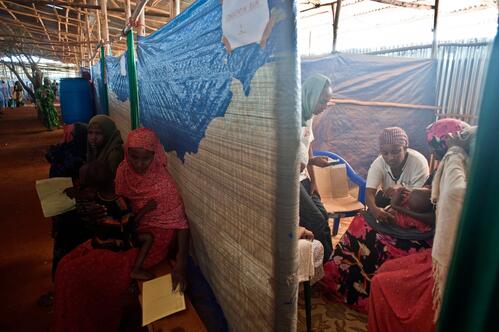
Hiloweyn camp is the fourth camp in the Liben region opened mid 2011. MSF started working in Hiloweyn refugee camp August 2011 and provides primary health care, psycho social care, TB care and runs a nutritional program, and an out patient department (OPD). The camp now counts 25000 (twenty-five thousand) refugees.
Somalia

Humanitarian aid must not be co-opted into stabilisation campaign

Integrating aid into UN, AU political and military strategy will threaten humanitarian efforts Project Update - 28 Feb 2013
 
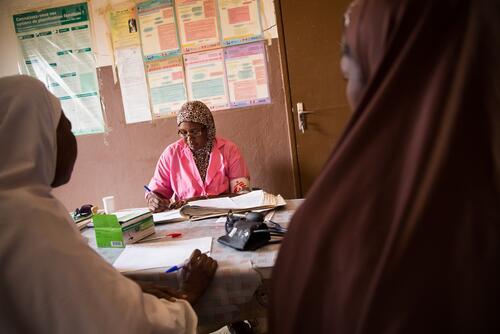
MSF midwife Mariam Toure (centre) treating patients at the Sossokoira Community Health Centre in Gao, in northern Mali, Feb 6, 2013.
Mali

We will not abandon our patients

Project Update - 13 Feb 2013
 
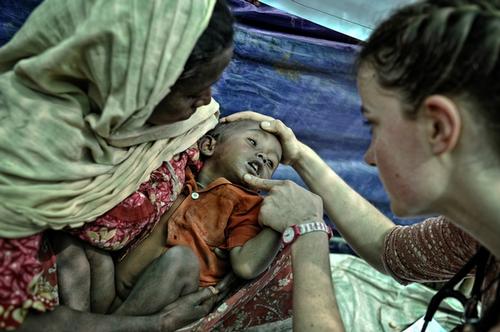
Doctor from MSF medical team examines a child with diarrhoea at MSF clinic in a refugee camp on the outskirts of Pauk Taw township, February 3, 2013. On that day, more than 80 diarrhoea cases were treated by MSF medical team. photo by Kaung Htet

Humanitarian emergency in Rakhine state

Project Update - 7 Feb 2013
 
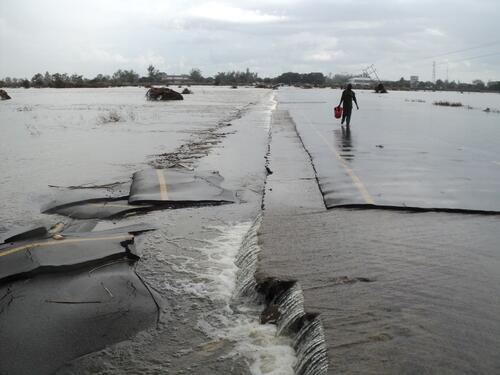
Road to Guija - The floods in Mozambique forced 150,000 people to leave their homes behind.
Mozambique

Emergency response to flooding

Project Update - 7 Feb 2013
Four mothers posing in a corridor of the Hospital in Bili. All four of them are staying in the hospital with their child, that's suffering from a severe case of malaria. Since the beginning of the project in 2016, the pediatric ward already treated more than 4.000 cases of complicated/severe form of malaria.
Médecins Sans Frontières (MSF)

Independent medical humanitarian assistance

We provide medical assistance to people affected by conflict, epidemics, disasters, or exclusion from healthcare. Our teams are made up of tens of thousands of health professionals, logistic and administrative staff - most of them hired locally. Our actions are guided by medical ethics and the principles of independence and impartiality. We are a non-profit, self-governed, member-based organisation.

Learn more