



Ebola disease in DRC: find out how we're responding
Learn more
1793 Results
 
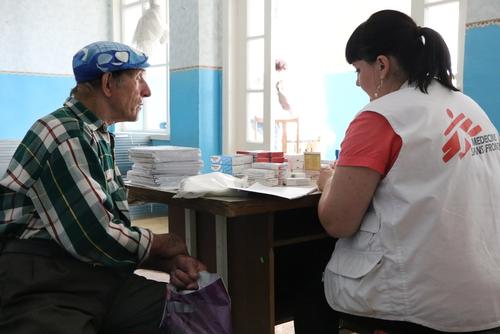
MSF nurse Yuliya Karitonova  speaks with 79 year old Victor who is about to receive his medication. Victor’s wife, Valentina also visited the Medecins Sans Frontieres (MSF) Mobile clinic in the village of Troits’ke, located only few kilometers away from the contact line to receive medical care.
Ukraine

MSF concludes medical humanitarian activities in Bakhmut

Médecins Sans Frontières (MSF) is concluding its activities in Bakhmut areas today – covering locations in northern parts of Luhansk and Donetsk regions. MSF has been assisting people affected by the conflict in these locations since May 2014, providing direct support to more than 40,000 residents and 10,000 displaced people. Press Release - 29 Jul 2016
 
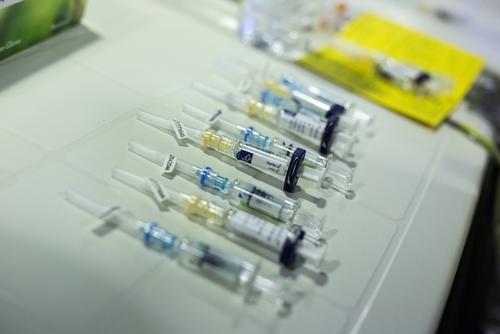
vaccines.
India

MSF calls for affordable pneumonia vaccines ahead of Pfizer’s patent hearing in India

“The pneumonia vaccine is the world’s best-selling vaccine, and last year alone, Pfizer brought in more than US$6 billion dollars in sales just for this product - meanwhile many developing countries, where millions of children risk getting pneumonia, simply can’t afford it”, said Dr Greg Elder, Medical Coordinator for MSF’s Access Campaign. “To make sure children everywhere can be protected from deadly pneumonia, other companies need to be allowed to enter the market so they can supply this vaccine for a much lower price than Pfizer charges.” Press Release - 28 Jul 2016
 
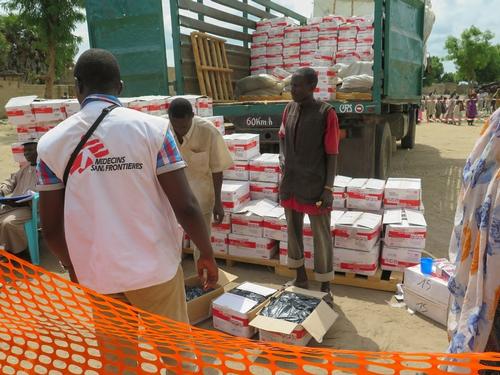
During the second week of July 2016, MSF organised an exploratory mission and an emergency distribution for more than 15,000 displaced people leaving in dire conditions in the city of Banki, in Borno State – Nigeria.
Nigeria

MSF warns of large-scale humanitarian disaster in Borno State

More than 500,000 people are living in catastrophic and unsanitary conditions in a number of villages and towns across Borno State, northeastern Nigeria. “In Banki, as in a number of other areas, people have almost no access to humanitarian aid,” says MSF’s emergency programme manager Hugues Robert. Press Release - 27 Jul 2016
 
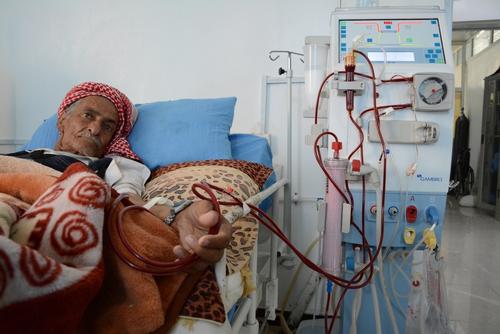
There are more than 4,400 patients with renal failure in Yemen who are struggling to get weekly dialysis sessions to stay alive. To avoid potential death, patients rely on machines to clean their blood, something normally done by functioning kidneys. Those living with kidney failure normally should attend dialysis treatment sessions three times per week at four hours per session. In order for patients to receive treatment, treatment centres have to be functioning and supplies must be available. Most of the functioning dialysis centers in Yemen lack supplies causing interruptions in treatment to patients in need. And because of the pressure on the dialysis centres, most renal failure patients now receive only two weekly sessions instead of three in order for the dialysis centers to be able to accommodate all the patients they are receiving.
Yemen

Dialysis treatment at breaking point

“People with renal failure are at a critical moment as there is a lack of essential medical supplies in the country. Patients usually need three dialysis sessions per week but under current circumstances, for most, this has been reduced to two sessions.” said William Turner, MSF Head of Mission in Yemen. Press Release - 26 Jul 2016
 
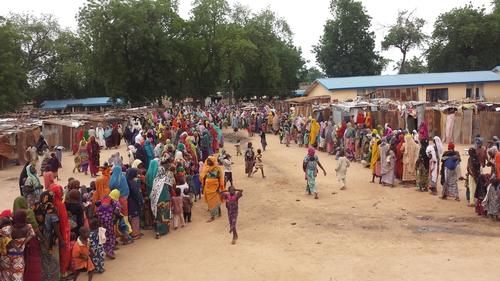
People are queuing for screening. The displaced population in Bama camp is estimated between 10 000 to 12 000 persons.
Nigeria

Health disaster in Borno State

The health situation in Borno State in northeast Nigeria is critical. At least 500,000 people who are either displaced or cut off in enclaves outside state capital Maiduguri are in urgent need of food, medical care, drinking water and shelter. “Aid agencies must deploy a massive relief operation to respond to this health disaster”, says Dr Isabelle Defourny, director of operations at Médecins Sans Frontières (MSF). Press Release - 20 Jul 2016
 
msf-placeholder
Project Update

MapSwipe app lets public help deliver medical care to most vulnerable

MSF has unveiled a first-of-its-kind mobile phone app in which people across the globe can help locate communities in remote parts of the world affected by natural disasters, disease outbreaks or conflict. Press Release - 19 Jul 2016
 
Community Care Giver Nonhlanhla Ngema passes a long queue of patients at Eshowe Gateway Clinic to pick up ARVs for members of her Community ART Group (CAG). Medecins Sans Frontieres (MSF) has been piloting CAGs as a model of care for stable HIV+ patients in rural districts of southern Africa, where HIV prevalence is at its highest. CAG members meet once every two months to review their health and arrange for collection of their ARVs without having to sit in long queues at clinics.
HIV/AIDS

MSF calls for quality HIV care in neglected communities

While significant progress has been made in South Africa since the first Durban conference in 2000, deadly and unnecessary HIV treatment gaps persist in other countries Press Release - 18 Jul 2016
 
"This is the first time MSF has been able to access Bama, but we already know the needs of the people there are beyond critical,” said Ghada Hatim, MSF head of mission in Nigeria. “We are treating malnourished children in medical facilities in Maiduguri and see the trauma on the faces of our patients who have witnessed and survived many horrors.” 

During its assessment, the MSF team counted 1233 cemetery graves located near the camp which had been dug in the past year. Many of those graves—480—were of children
“Bama is largely closed off,” said Hatim. “We have been told that people including children there half starved to death. According to the accounts given to MSF by displaced people in Bama new graves are appearing on a daily basis. We were told more than 30 people are dying a day due to hunger and illness.”
Nigeria

At least 24,000 displaced people in dire health situation in Bama

Critical humanitarian needs identified for displaced in Bama, Borno State, Nigeria Press Release - 22 Jun 2016
Four mothers posing in a corridor of the Hospital in Bili. All four of them are staying in the hospital with their child, that's suffering from a severe case of malaria. Since the beginning of the project in 2016, the pediatric ward already treated more than 4.000 cases of complicated/severe form of malaria.
Médecins Sans Frontières (MSF)

Independent medical humanitarian assistance

We provide medical assistance to people affected by conflict, epidemics, disasters, or exclusion from healthcare. Our teams are made up of tens of thousands of health professionals, logistic and administrative staff - most of them hired locally. Our actions are guided by medical ethics and the principles of independence and impartiality. We are a non-profit, self-governed, member-based organisation.

Learn more