



Ebola disease in DRC: find out how we're responding
Learn more
1794 Results
 
msf-placeholder
HIV/AIDS

Thousands of HIV+ people march in Delhi with plea to Indian government

“More than 80% of the AIDS drugs our medical practitioners use to treat 175,000 people in developing countries are affordable generics from India,” said Paul Cawthorne, of MSF’s Campaign for Access to Essential Medicines. “Beyond AIDS, we rely on producers in India for drugs to treat other illnesses, such as tuberculosis and malaria. We can not afford to let our patients’ lifeline be cut.” Press Release - 2 Mar 2011
 
msf-placeholder
Sudan

Clashes displace thousands of people in Darfur

"People fled suddenly and arrived with nothing but their clothes. Initially they set up makeshift shelters made out of their clothes and grass, to help protect them from the cold nights," explained Cristina Falconi, MSF head of mission in Sudan. “MSF is providing plastic sheeting, blankets, mats, soap and jerry cans that will help people cope with their most basic need. Now that all the attention is focused on southern Sudan’s referendum, we shouldn't forget that there are pressing medical needs in Darfur." Press Release - 7 Feb 2011
 
msf-placeholder
Greece

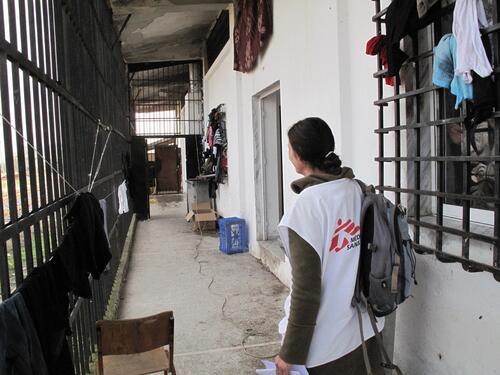
Immediate action needed to improve unbearable living conditions in detention facilities in Evros, Greece

There are so many people detained that they don’t have the space to even lie down in the cells, while the heating often does not work, leaving migrants freezing in sub-zero temperatures. In one of the detention centres, the toilet often does not work and excrements flood sections of the cell where migrants live and sleep. Press Release - 26 Jan 2011
 
msf-placeholder
Kenya

The Ifo II refugee camp, Kenya, lies empty while tens of thousands of Somali refugees live in unacceptable conditions less than 10 kilometers away

“The minimum international humanitarian standards are not being met,” said MSF Humanitarian Affairs Officer, Elena Estrada. “The refugees have scarce access to water, food, non-food items and shelter. There are no latrines, making open defecation the only option, and thus increasing the risk of the spread of disease, particularly in this vulnerable population group that is already fleeing years of war.” Press Release - 20 Jan 2011
 
msf-placeholder
India

Indian Prime Minister must resist European pressure to trade away health

Latest round of negotiations on sensitive intellectual property issues resumes tomorrow Press Release - 12 Jan 2011
 
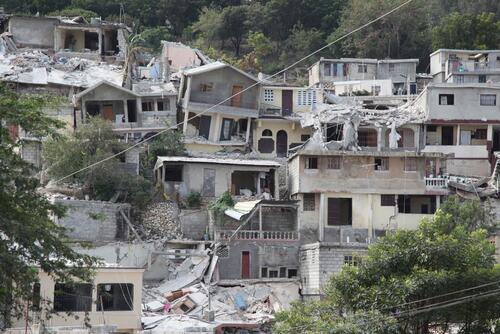
Destruction in Haiti after the earthquake that hit the island on January 12th 2010. On the road from Leogane to Port-au-Prince.
Haiti

Despite massive aid response, significant needs remain one year after earthquake

MSF has issued a review of its own emergency response following the earthquake and an assessment of the existing gaps in secondary health care services that it will attempt to address in the year ahead. MSF’s response in Haiti since the earthquake and the cholera epidemic constitutes the largest disaster operation in the organization’s history. Press Release - 10 Jan 2011
 
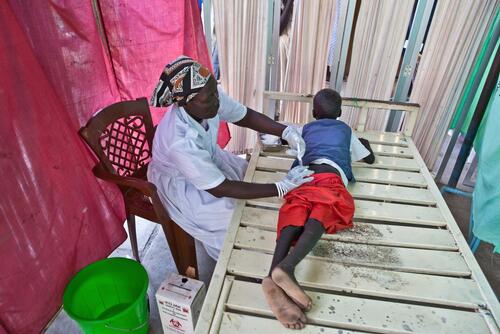
A young boy suffering from Kala Azar is getting an injection from one of the nurses. MSF supports the teaching hospital in Malakal, South Sudan.
South Sudan

Southern Sudan in grips of worst kala azar outbreak in eight years.

Epidemic compounds existing medical humanitarian crisis Press Release - 16 Dec 2010
 
msf-placeholder
Global

Underfunded Global Fund punishes ambition by rejecting AIDS proposals

The World Health Organization and other experts have recognized that early initiation of treatment is key to turning back the AIDS pandemic. However, countries’ proposals to initiate early treatment, implement WHO guidelines and aggressively reduce transmission both between mother and child, and between adults, have been denied. Press Release - 15 Dec 2010
 
Tychero border police station, Evros, Greece - December 2010
 MSF¿s emergency coordinator visits one of the cells in the border police station of Tychero in the region of Evros. MSF has started an emergency intervention in Evros for the provision of medical and humanitarian assistance to migrants and asylum seekers detained in appalling living and hygiene conditions in detention facilities.
Greece

Critical situation for migrants and asylum seekers in detention facilities in Evros region, Greece

During an assessment carried out in November in two detention centers (Venna, Fylakio) and three border police stations (Soufli, Tychero and Feres), MSF documented the harsh and inhumane conditions in which detained migrants are being kept. Most of the detention facilities are very overcrowded, operating at two or three times their capacity. Due to the lack of space, men, women, young children and unaccompanied minors are being kept together in the same cells. Press Release - 13 Dec 2010
 
msf-placeholder
India

At EU-India Summit, European negotiators urged not to block access to affordable medicines

Germany, UK and France pushing to undermine India’s pro public-health law Press Release - 10 Dec 2010
Four mothers posing in a corridor of the Hospital in Bili. All four of them are staying in the hospital with their child, that's suffering from a severe case of malaria. Since the beginning of the project in 2016, the pediatric ward already treated more than 4.000 cases of complicated/severe form of malaria.
Médecins Sans Frontières (MSF)

Independent medical humanitarian assistance

We provide medical assistance to people affected by conflict, epidemics, disasters, or exclusion from healthcare. Our teams are made up of tens of thousands of health professionals, logistic and administrative staff - most of them hired locally. Our actions are guided by medical ethics and the principles of independence and impartiality. We are a non-profit, self-governed, member-based organisation.

Learn more