



Ebola disease in DRC: find out how we're responding
Learn more
1390 Results
 
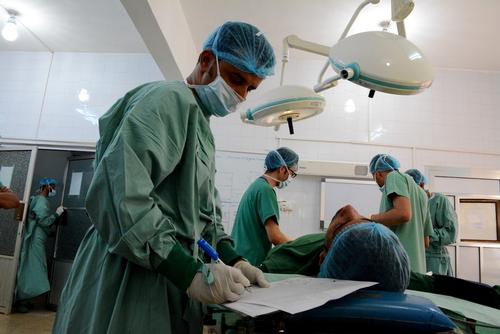
Anaesthesia technician writing down given treatment during surgery in MSF supported hospital, Thi As Sufal district, Ibb governorate.
Yemen

A day at the general rural hospital in Thi As Sufal district

MSF teams work in the emergency room, inpatient ward and operating theatre, and support the maternity and outpatient departments with medications and equipment. MSF also manages laboratory and physiotherapy services, and the x-ray department. Photo Story - 14 Jan 2017
 
MAKHMOUR, IRAQ - OCTOBER 30:

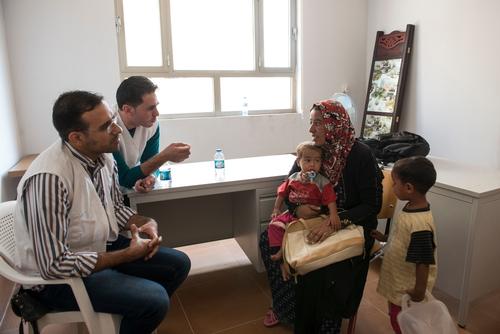
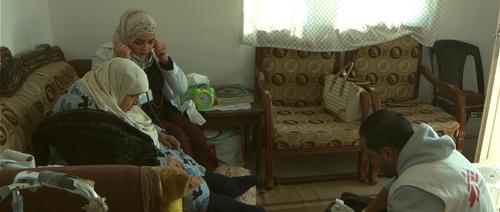
Dr Mahmoud Habeb, a psychologist speaks with his patient at a healthcare facility in Debaga 1 with Mental Health Activity Manager Bilal Budair. 

Scenes at MSF facilities at Debaga camp in Debaga outside of Erbil, Iraq. IDP's seek mental as well as primary healthcare from MŽdecins Sans Frontires (MSF) International.

(Photo by Monique Jaques/ For MSF)
Iraq

MSF assists traumatised people from Mosul

Some 30,000 people are living in camps in Hassansham and Khazer, 35 kilometres east of Mosul. MSF’s mental health teams see around 45 patients a day. Project Update - 10 Jan 2017
 
New maternity clinic ensures women deliver safely in Tal Afar district, Iraq
Iraq

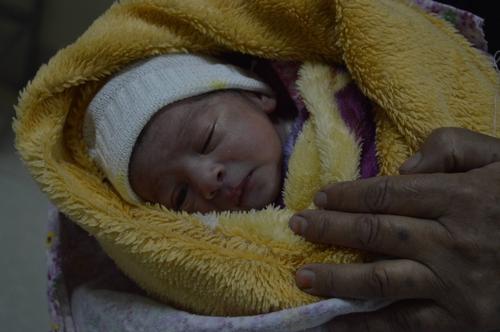
New maternity clinic ensures women deliver safely in Tal Maraq in the northwestern district of Tal Afar

MSF has opened a maternity clinic in Tal Maraq, where the conflict has taken a heavy toll on the population. Project Update - 4 Jan 2017
 
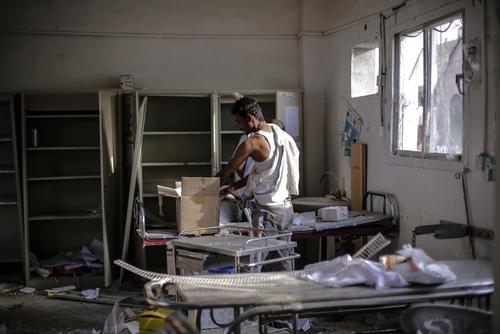
A hospital worker salvages the remains of undamaged medication and equipment left in the emergency room after the 15 August Saudi-led coalition airstrike which destroyed the hospital killing 19. 

In a country where access to healthcare is already extremely limited, the Abs hospital was the only facility catering to over 2,000 IDPs in the area and thousands more along the coast, from the northwestern border of Yemen to the outskirts of Hodeidah. With the destruction of Abs hospital, the closest hospital is now over 3 hours drive away.
Yemen

Crisis update - December 2016

There is an urgent need for the warring parties to reduce the disproportionate impact this war is having on civilians, and for humanitarian actors to scale up assistance for the population. Crisis Update - 31 Dec 2016
 
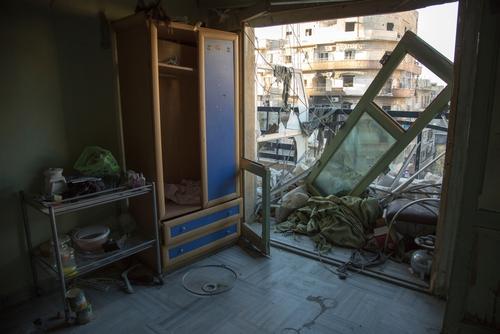
 A room on the second floor of the hospital. Since 2013, MSF has been providing drugs, supplies and medical equipment to health facilities in east Aleppo.
Syria

MSF sends medical supplies to the wounded evacuated from east Aleppo

MSF teams are supporting the humanitarian evacuation of east Aleppo. Yesterday our medical and logistic teams conducted first needs assessments in the area. Project Update - 16 Dec 2016
 
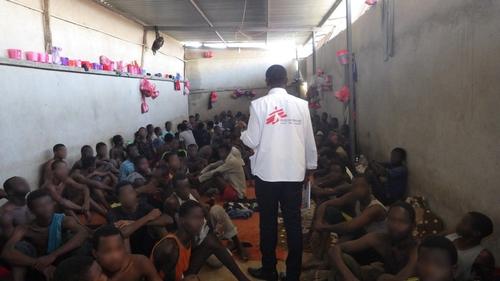
Conditions inside the detention centres do not meet any national, regional or international standards. They are dangerously overcrowded with a lack of natural light and ventilation. In some facilities, the amount of space per detainee is so limited (as little as 0.41m2 per person) that people are unable to stretch out at night, resulting in many complaints of body aches.
Libya

Providing healthcare to detained refugees and migrants

MSF remains opposed to the indefinite arbitrary detention of migrants, refugees and asylum-seekers in Libya. Project Update - 14 Dec 2016
 
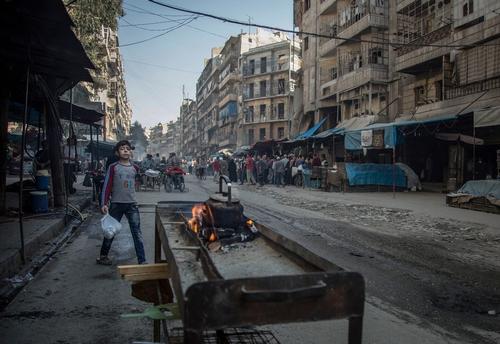
A boy walks past a tea kettle heating on coals in a market street in Al Shaar district, east Aleppo.
Syria

MSF calls on all sides to spare the lives of civilians trapped in the Aleppo battle

MSF is outraged at the violence exerted against civilians and the passivity displayed by all those that can do something to stop it. Statement - 13 Dec 2016
Four mothers posing in a corridor of the Hospital in Bili. All four of them are staying in the hospital with their child, that's suffering from a severe case of malaria. Since the beginning of the project in 2016, the pediatric ward already treated more than 4.000 cases of complicated/severe form of malaria.
Médecins Sans Frontières (MSF)

Independent medical humanitarian assistance

We provide medical assistance to people affected by conflict, epidemics, disasters, or exclusion from healthcare. Our teams are made up of tens of thousands of health professionals, logistic and administrative staff - most of them hired locally. Our actions are guided by medical ethics and the principles of independence and impartiality. We are a non-profit, self-governed, member-based organisation.

Learn more