



Ebola disease in DRC: find out how we're responding
Learn more
1390 Results
 
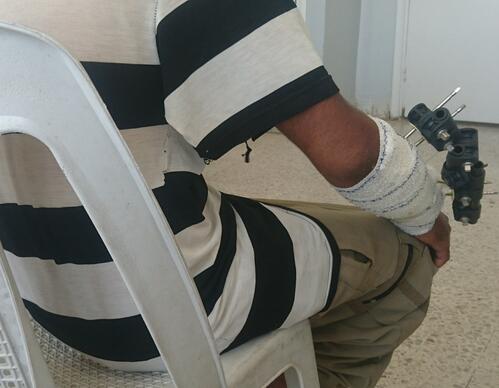
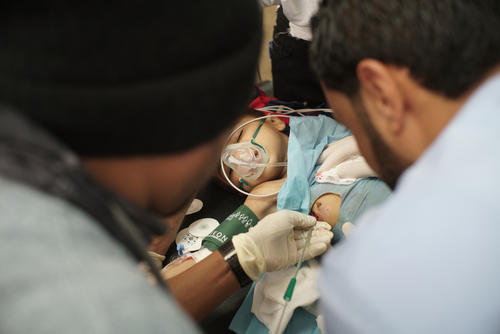
Survivor of an airstrike in al-Dashisha area, in north east Syria, receiving treatment at an MSF hospital in Hassakeh governorate. The airstrike that injured them killed 14 others.
After a period of relative calm, airstrikes on the Islamic State group in Der ez-Zor and Hassakeh governorates intensified in June 2018. As a result, and over a period of ten days in early June, 17 people arrived to the MSF hospital with injuries related to airstrikes, compared to 7 between January and June.
For those who survived the airstrikes and reached the MSF hospital, they had to travel for hours. The meandering frontlines between armed groups can turn a mere one-hour journey into a six hour trek, as people often have to take detours and travel through rural parts of the governorates to avoid checkpoints. In parallel, the few remaining and functioning health centers in the region are either private and very expensive, or they lack specialized teams.
Syria

MSF Hassakeh hospital seeing an increase in casualties of airstrikes in northeast Syria

Between 4 and 14 June, MSF-supported hospital in Hassakeh received 17 survivors of airstrikes, including 6 children and 3 women. Project Update - 21 Jun 2018
 
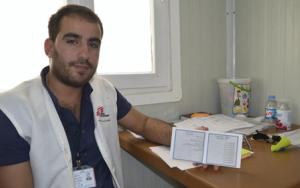
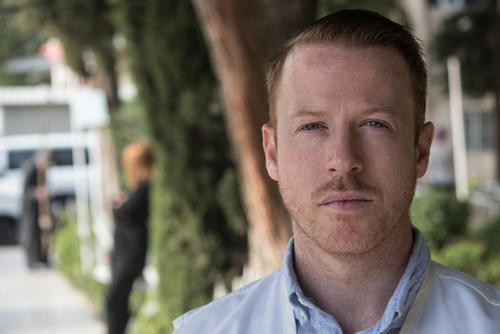
Omar Mahmoud Mental Health Activity Manager Assistant
Iraq

Syrian refugee works to heal wounds of Iraq's displaced

Omar Mahmoud, MSF aid worker and refugee, highlights the helplessness of those displaced. thenational.ae - 19 Jun 2018
 
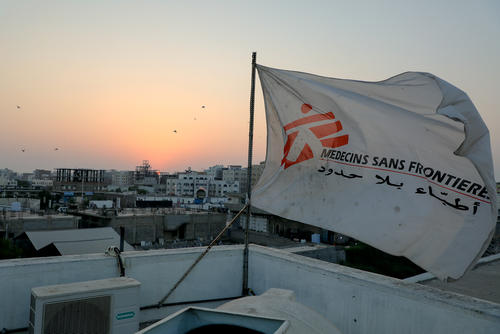
MSF flag over the top of the hospital
Yemen

MSF provides support to hospitals treating wounded from Hodeidah

On Wednesday 13 June, forces loyal to President Hadi, backed by the Saudi and Emirati-led international coalition (SELC) have launched a military offensive on Hodeidah, whose strategic port on the Red sea remains one of the few lifelines left for people living in northern Yemen. Project Update - 14 Jun 2018
 
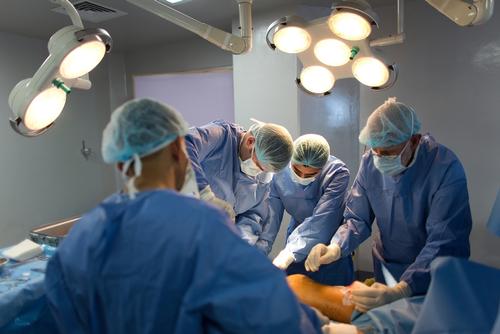
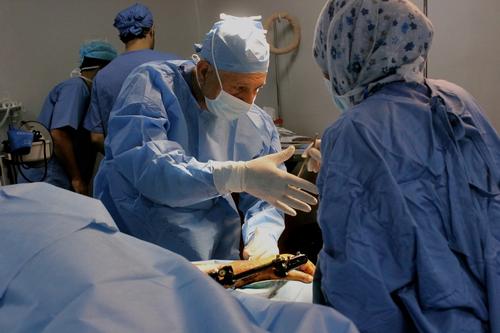
Surgery with Surgeon Dr Hayder Alwash 

MSF Medical staff are working in Ramtha hospital in Jordan (5 km from Syrian border) where war wounded patients from Syria are being treated. Majority of patients require emergency surgery. Due to the severity of the injuries, patients require multiple complex surgery and long rehabilitation. The surgery runs 24 hours a day, 7 days a week.
Jordan

Lack of patients forces closure of Ramtha surgical project

After more than four years of emergency lifesaving activities in which over 2,700 war-wounded Syrians underwent medical treatment, Médecins Sans Frontières (MSF) has taken the difficult decision to close the Ramtha surgical project in northern Jordan. Project Update - 11 Jun 2018
 
Dr. Haydar Alwash conducts a skin graft surgery on a patient. MSF's Emergency Trauma Surgical Project  in Ramtha Governmental Hospital opened in September 2013. It has treated hundreds of war wounded coming from Syria.
Jordan

Voices of Ramtha

MSF staff reflect on four years of saving lives and limbs in Ramtha, northern Jordan, and describe the impact this emergency surgical project had on the lives of both its patients and staff. Voices from the Field - 11 Jun 2018
 
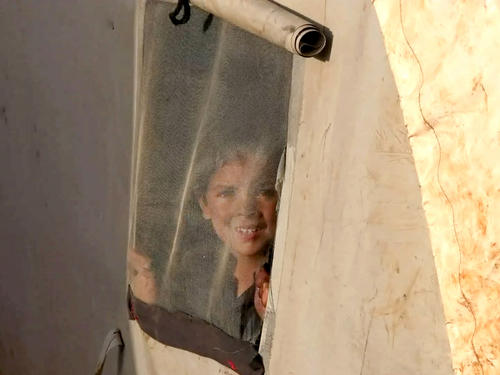
Ahmed, a Syrian boy looks out from the window of a tent in a camp for displaced people in Idlib, Syria.
Syria

In dust and despair, displaced Syrians wait

More than half of Idlib’s population of roughly two million people are displaced. The arrival of 80,000 more people in the last two months from east Ghouta, rural Damascus and north Homs is further stretching the ability of local residents and humanitarian organisations to address their needs. Project Update - 8 Jun 2018
 
msf-placeholder
Libya

Dozens of refugees and migrants wounded after trying to escape horrific captivity conditions

During the evening of May 23, between 5 to 6pm, more than one hundred refugees and migrants who had been kidnapped and held captive by human traffickers west of Bani Walid, Libya, managed to escape. They were shot at while attempting to flee, resulting in several casualties and 25 injured who were referred to General Hospital of Bani Walid. Press Release - 25 May 2018
 
Patrick Durrant is the Project Coordinator for Médecins Sans Frontières / Doctors Without Borders (MSF) in Sulaymaniyah, northern Iraq. MSF started working in Sulaymaniyah in 2015 when a huge influx of people escaping violence in their towns and cities arrived in the area. Initially, we provided water and sanitation services in Arbat camps for displaced people, and then extended the project to provide mental health services in Ashti camp and rehabilitation and staff support for the Sulaymaniyah Emergency Hospital. The project finished on 30 November 2017. 

“Iraq has a decent health system – but after years of conflict, instability and economic hardships, the system is under a lot of strain,” Patrick says. “Although the Islamic State group areas have been re-taken, Iraq remains a volatile place – bombings and conflict are still a regular occurrence. Hospitals in Iraq must always be prepared. You never know what will happen the next day, hour or minute.”
Iraq

“Hospitals must always be prepared; you never know what will happen”

MSF started working in Sulaymaniyah in 2015 when a huge influx of people escaping violence in their towns and cities arrived in the area. Voices from the Field - 25 May 2018
 
A young Syrian boy was hit by an astray bullet while being home.The bullet landed in his chest and went straight through his lungs. MSF medical teams in the ER of Tal Abyad hospital are trying to save his life.
Syria

Seeking to assist Syrians, wherever they are in need of help

After seven years of being denied access, Médecins Sans Frontières (MSF) once again requests the Syrian government to grant us access to all areas to provide medical treatment to Syrians in dire need, wherever they are. Press Release - 23 May 2018
 
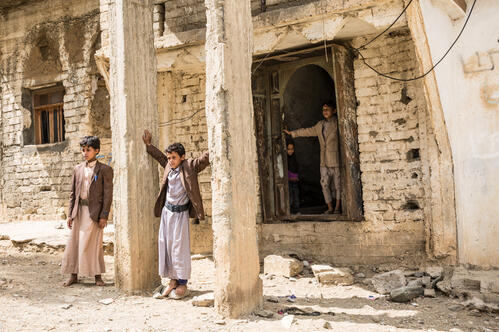
Yemen, gouvernorat de Saada, Haydan, mars 2018. Les enfants de la famille Ghani posent devant l'entrée de leur maison, bombardée pendant la guerre de Saada, entre 2004 et 2010. 

Saada governorate in Yemen, Haydan, March 2018. Ghani family children posing in front of the entrance of their house, bombed during the war of Saada, between 2004 and 2010.
Yemen

Living under daily coalition airstrikes

In March 2017, Médecins Sans Frontières teams returned to the hospital in Haydan that had been bombed and destroyed by Saudi warplanes in October 2015. MSF teams provide healthcare to isolated communities in Haydan as well as the remote surrounding area. Photo Story - 18 May 2018
Four mothers posing in a corridor of the Hospital in Bili. All four of them are staying in the hospital with their child, that's suffering from a severe case of malaria. Since the beginning of the project in 2016, the pediatric ward already treated more than 4.000 cases of complicated/severe form of malaria.
Médecins Sans Frontières (MSF)

Independent medical humanitarian assistance

We provide medical assistance to people affected by conflict, epidemics, disasters, or exclusion from healthcare. Our teams are made up of tens of thousands of health professionals, logistic and administrative staff - most of them hired locally. Our actions are guided by medical ethics and the principles of independence and impartiality. We are a non-profit, self-governed, member-based organisation.

Learn more