




Ebola disease in DRC: find out how we're responding
Learn more
1390 Results
 
A Médecins Sans Frontières convoy of 14 trucks entered northwestern Syria today, arriving from Türkiye through the Hammam border crossing point. This first convoy carries 1,296 tents destined to IDPs and families (of 5 people or more) left homeless by the earthquake and 1,296 winter kits to insulate the tents from the cold. Other MSF convoys are planned to follow quickly to deliver medical and non-medical equipment.

73 tons of material have been packed and left from Dubaï
Türkiye and Syria earthquake response

MSF calls for urgent assistance to people in northwest Syria

We are calling for the urgent scaling up of humanitarian supplies, which currently fail to even match pre-earthquake volumes. Press Release - 19 Feb 2023
 
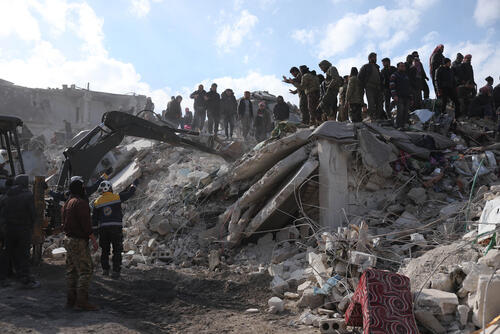
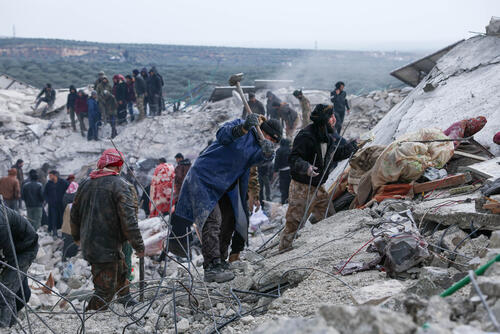
Contextual images of the impact of the earthquake taken on 7 February 2023. Idlib province, Northwestern Syria. 
MSF does not necessarily operate in the locations depicted here.
Natural hazards

Hospitals overwhelmed after earthquakes: “The rooms were covered in blood”

Aisha is a midwife working with MSF in Azaz, northwest Syria. She shares her experience in the aftermath of the earthquakes. Voices from the Field - 17 Feb 2023
 
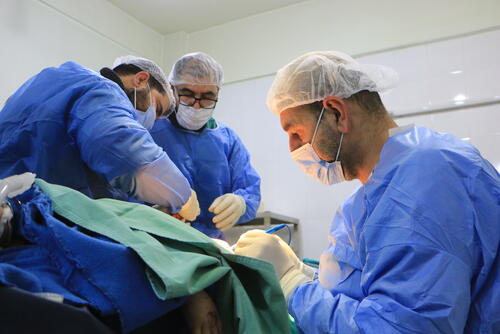
Syrian doctors operate on a patient in a hospital in Atmeh. The equipment for the operating room of this hospital comes from a donation from the MSF team in Atmeh. February 11, 2023.
Natural hazards

Vital needs grow in northwest Syria after the earthquakes

MSF teams in Syria are responding to multiple needs on the ground after the earthquakes, but sufficient healthcare support and essential items are still missing. Project Update - 15 Feb 2023
 
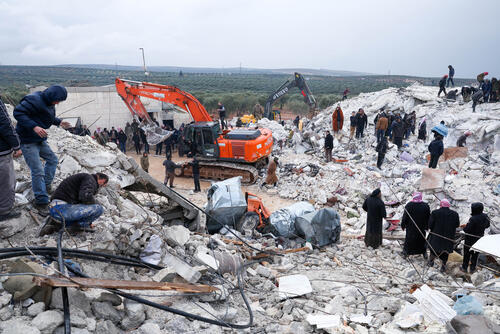
The impact of the earthquake on 6 February 2023. Idlib province, Northwestern Syria.
Natural hazards

People in northwest Syria need urgent support after earthquakes

Ahmed Rahmo, MSF project coordinator in charge of the Idlib region, and other colleagues, provide us with updates on the situation on the ground. Voices from the Field - 13 Feb 2023
 
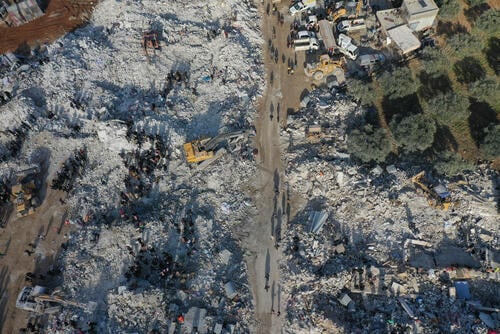
Contextual images of the impact of the earthquake taken on 7 February 2023. Idlib province, Northwestern Syria. 
MSF does not necessarily operate in the locations depicted here.
Natural hazards

Four things to know about the earthquake response in Türkiye and Syria

Since devastating earthquakes struck southern Türkiye and northwest Syria, thousands of people have lost their lives and been seriously injured. Here are four things to know about our emergency response on the ground. Project Update - 8 Feb 2023
 
The impact of the earthquake on 6 February 2023. Idlib province, Northwestern Syria.
Natural hazards

MSF scales up response after earthquakes hit south Türkiye and northwest Syria

MSF scales up response to support people affected by the earthquakes in south Türkiye and northwest Syria, providing medical care to casualties and essential items to those displaced in the area. Press Release - 6 Feb 2023
 
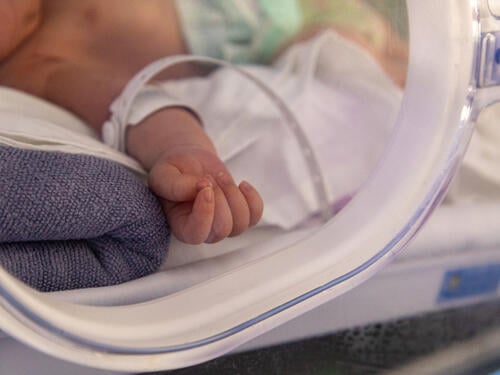
Close-up of an infant lying in an incubator in the neonatal ward of Al Jahmouri Hospital, in Taiz City, Yemen. Since May 2021, MSF together with the Ministry of Health (MoH) have been running the maternal and neonatal services in Al Jamhouri hospital (AJH), in Taiz City. MSF also offers technical support, financial incentives to Ministry of Health staff, medical and logistical supplies to run the maternity unit including services such as caesarean sections, antenatal (ANC) and postnatal care (PNC) for pregnant women, and neonatal unit for new-borns and infants.
Yemen

Giving birth in the face of persistent obstacles in Taiz

Access to vital healthcare services for pregnant women in Taiz, Yemen, remains a challenge due to years of war. Project Update - 1 Feb 2023
 
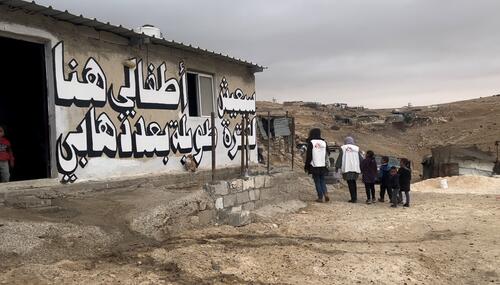
Israeli authorities have put extraordinary pressure on residents of Masafer Yatta to leave the area. As well as demolishing people’s homes, they have installed checkpoints, confiscated residents’ vehicles, and enforced curfews and other movement restrictions. These measures, which have intensified in recent months, have severely impacted residents’ freedom of movement, mental health and ability to access basic services, including medical care.
Palestine

MSF urges Israeli authorities to stop plan to evict Palestinian residents

MSF has called on Israeli authorities to stop their plan to evict Palestinians from the villages of Masafer Yatta and immediately cease measures which prevent people from accessing healthcare. Press Release - 19 Jan 2023
 
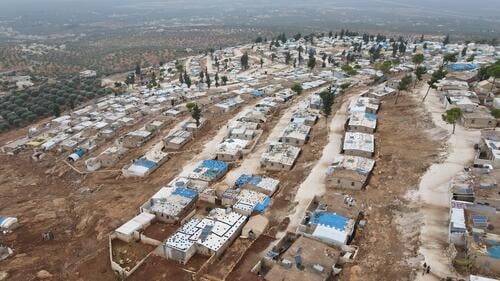
Northwest Syria is home to more than 2 million Internally Displaced Persons (IDPs). Most of them have been displaced by the conflict various

times and are staying in displacement camps, with very poor living conditions.
Syria

Humanitarian access to northwest Syria must be ensured

MSF calls on the UN Security Council to renew the Syria cross-border resolution to allow for the provision of humanitarian aid into the northwest, to avoid preventable deaths. Press Release - 5 Jan 2023
 
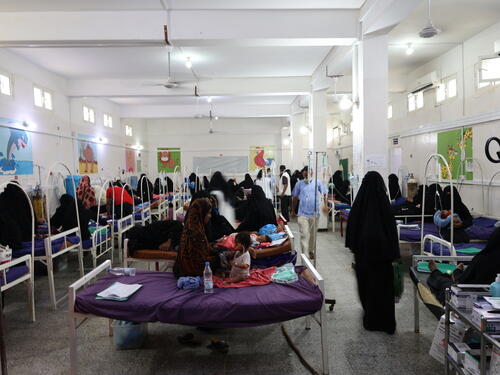
General overview of the Inpatient Therapeutic Feeding Centre (ITFC) in Abs General Hospital, Hajjah Governorate, Yemen. 
Since the earlier onset of the malnutrition peak this year, the ITFC in the Abs supported hospital has been operating at over 100% capacity.
Yemen

Five reasons why severe childhood malnutrition is surging in Yemen

The healthcare network across Yemen continues to collapse, and with food insecurity rife across the country, our teams are seeing a worrying rise of malnutrition in children at our hospitals. Project Update - 9 Dec 2022
Four mothers posing in a corridor of the Hospital in Bili. All four of them are staying in the hospital with their child, that's suffering from a severe case of malaria. Since the beginning of the project in 2016, the pediatric ward already treated more than 4.000 cases of complicated/severe form of malaria.
Médecins Sans Frontières (MSF)

Independent medical humanitarian assistance

We provide medical assistance to people affected by conflict, epidemics, disasters, or exclusion from healthcare. Our teams are made up of tens of thousands of health professionals, logistic and administrative staff - most of them hired locally. Our actions are guided by medical ethics and the principles of independence and impartiality. We are a non-profit, self-governed, member-based organisation.

Learn more